On this page
Bad weather is something that we’re pretty used to in the UK, although there is very rarely intense storms, we do regularly experience driving in high winds and storms. Similarly to all adverse weather conditions, driving practices must be slightly altered to ensure that you stay safe and away from danger.
6 Tips For Driving In High Winds and Storms
Avoid collisions or losing control of your vehicle with our tips for driving in high winds and storms.
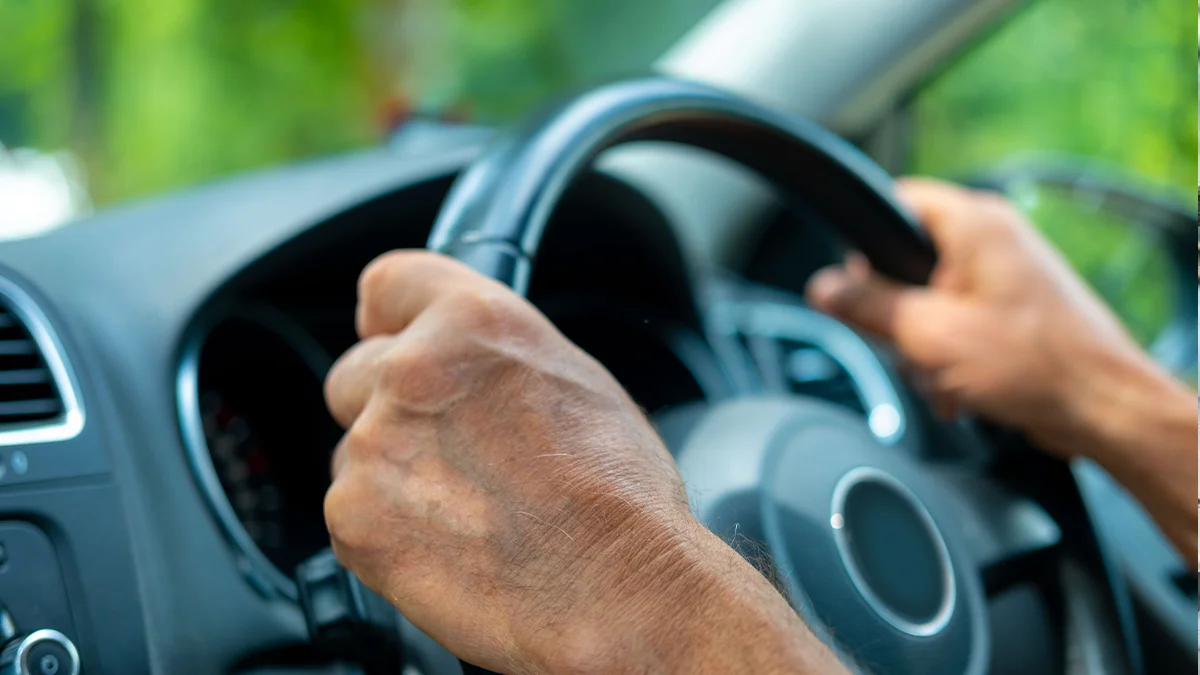
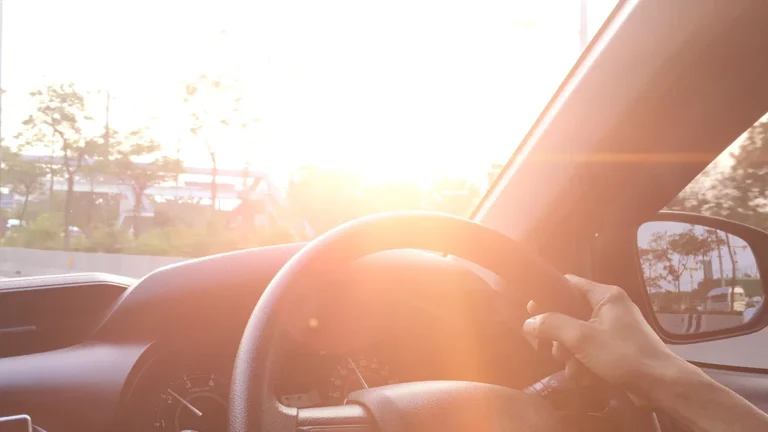
Tip 1 - Keep both hands on the steering wheel at all times
Of course, you need to take one hand off the steering wheel to change gears but always go straight back to the steering wheel if you are experiencing high winds. If your vehicle begins to sway, you will have full control of every direction; this is particularly important while driving on the motorway.
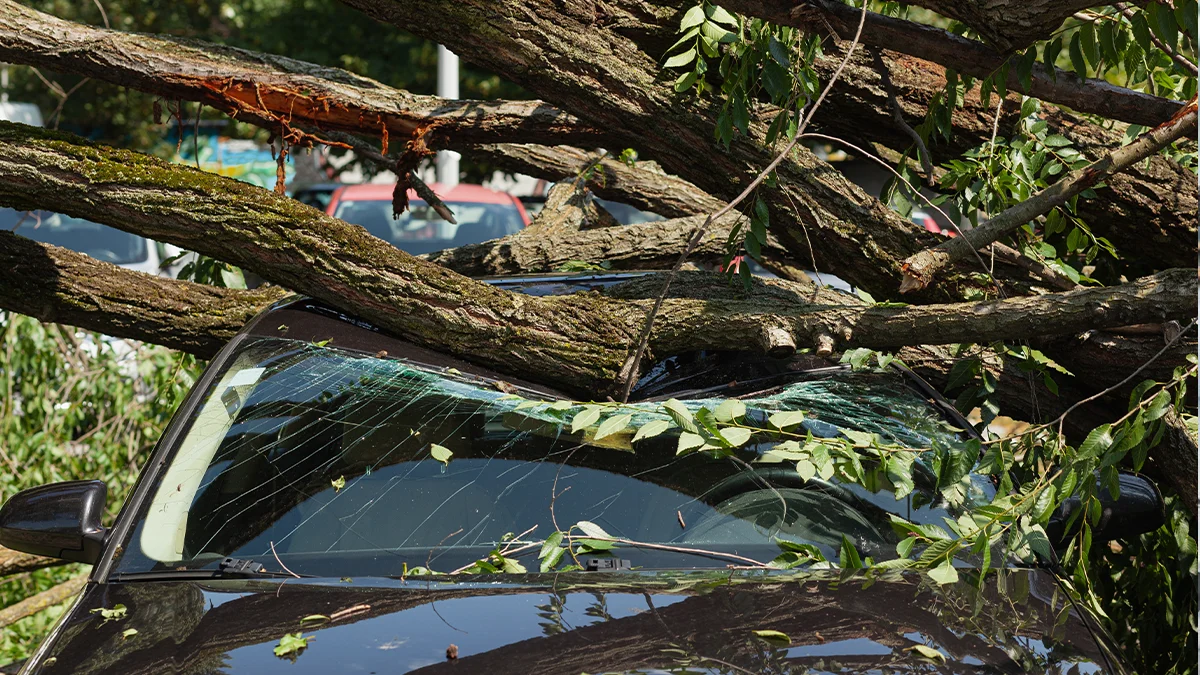
Tip 2 - Avoid parking under trees
This tip is less for driving safety and more about ensuring your car doesn't get damaged. Strong winds can easily cause anything from tree branches to debris to blow onto your car causing potential dents and scratches in your paintwork.
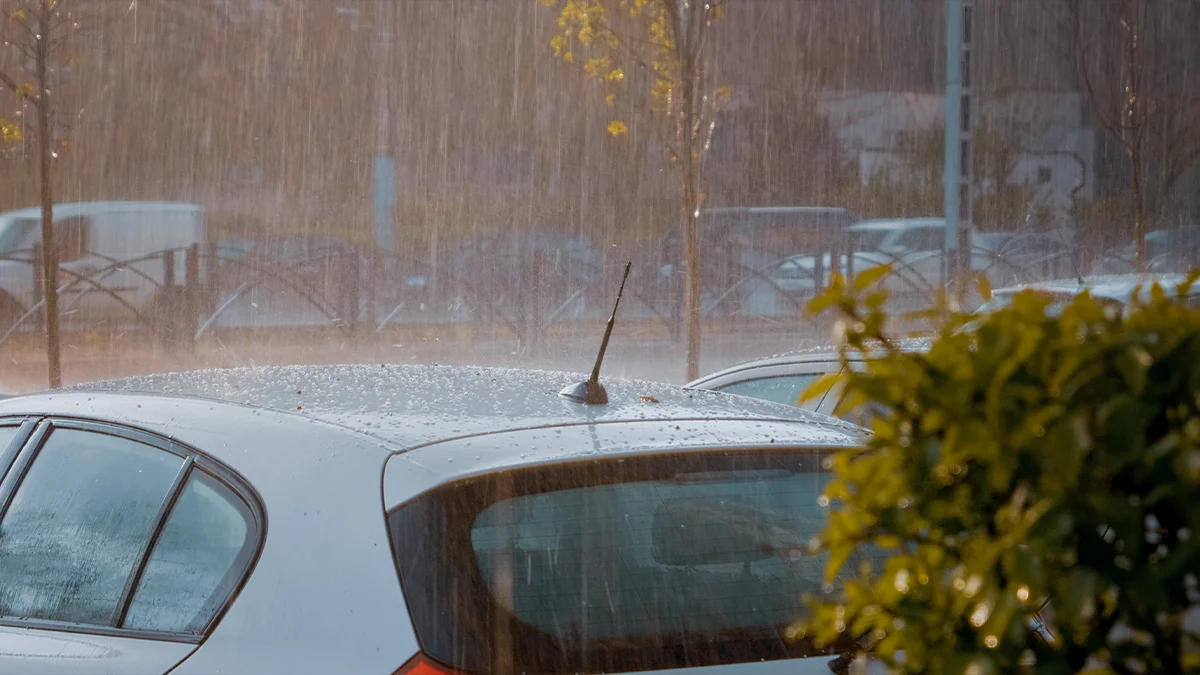
Tip 3 - Park facing the wind
Again, this is more to maintain car care, but the front of your car is considerably stronger than the rear. Parking facing the wind rather than the back or side will reduce the risk of damage.
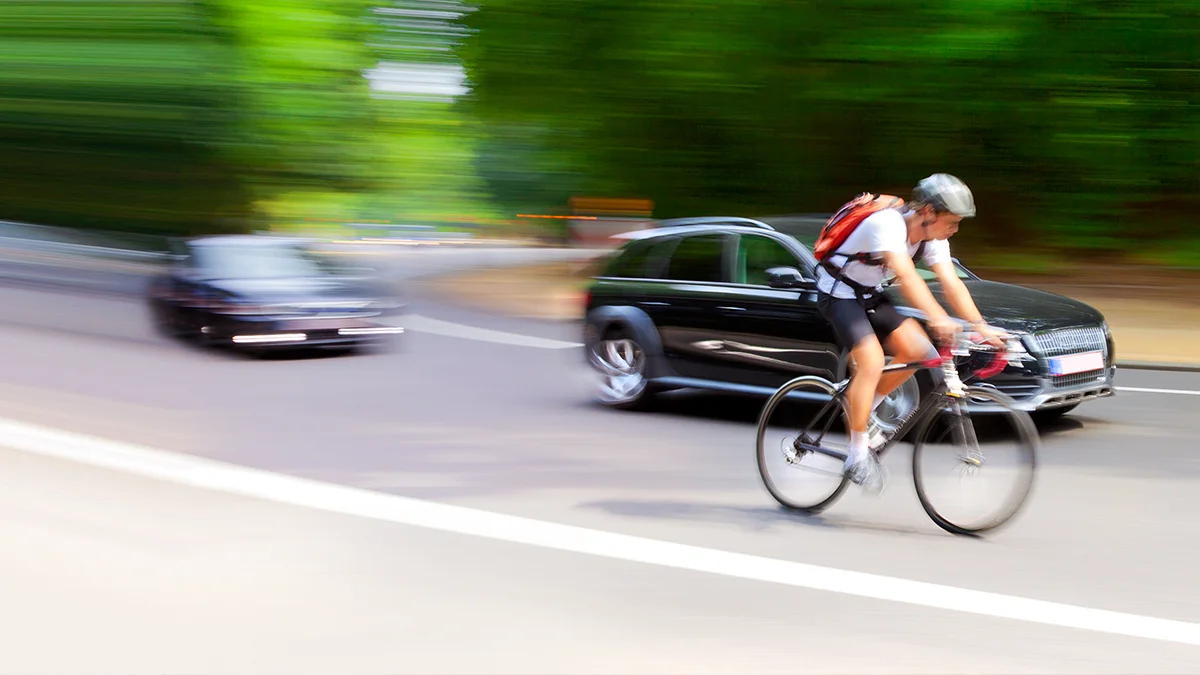
Tip 4 - Leave extra room for cyclists and motorcyclists
Cyclists are among the most vulnerable road users at the best of times - in strong winds, gusts can blow cyclists off course and cause them to swerve towards vehicles. Take extra care when overtaking and leave more room than you would usually.
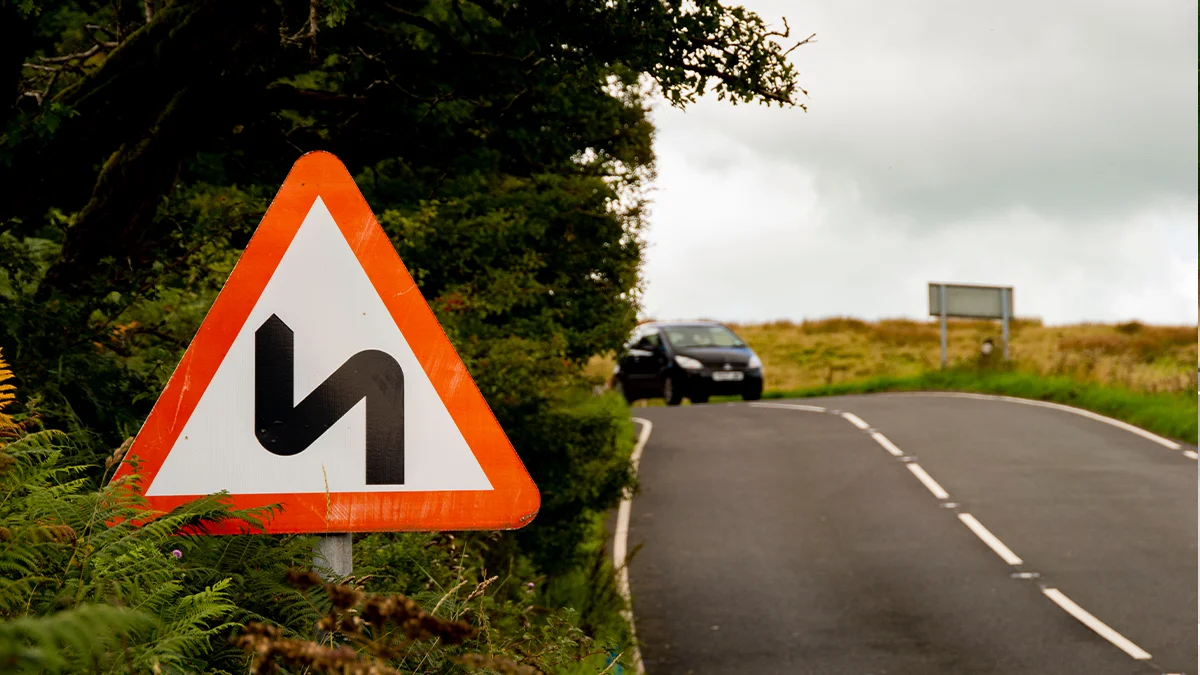
Tip 5 - Reduce speed before bends
The faster you drive, the more likely you are to be caught by the wind. Slow down to a lower speed when approaching and turning corners to maintain full control.
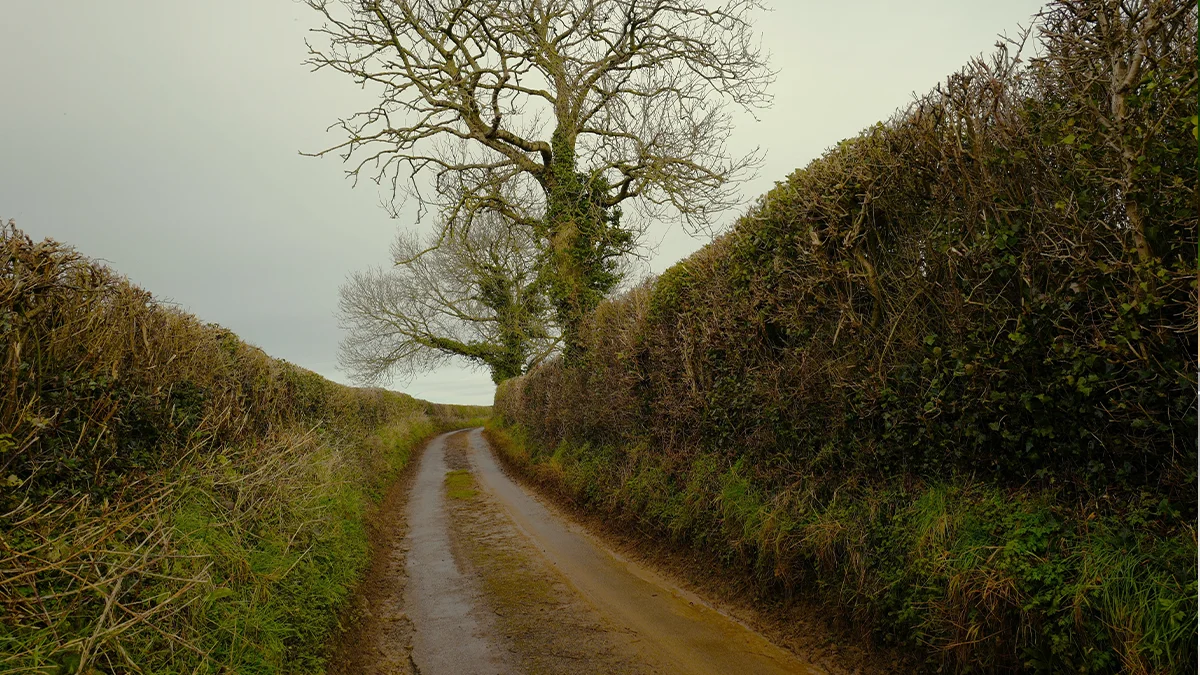
Tip 6 - Avoid small, narrow roads
Country roads are both small and narrow meaning that they are more likely to be filled with fallen trees, slippery leaves and stones which could damage your tyres. Many cities such as Manchester, particularly in the town centre, are filled with tiny side roads with tight bends and hills. Here you would have to take extra care as you would while driving on a country road. If you were to take driving lessons in Manchester, your instructor would spend extra time on talking you through how to deal with these trickier types of roads as it is a primary fault that examiners look out for.

How To Drive In A Storm
It is always recommended to avoid driving if you know the weather is going to become potentially dangerous. Although, sometimes you cannot anticipate when a storm may arise, so here is a few pieces of advice on how to drive in a storm. If you are experiencing heavy rain and wind, with full control you can continue to drive, however, if it starts to hail, try to pull over to the next safe, sheltered place.
The same as you would while driving in the rain, keep an extra distance from the vehicle in front, we recommend to double your usual stopping distance. Even if it is daytime, switch on your dipped headlights to increase visibility, as they are only headlights they will not run the risk of dazzling other drivers. Keep an eye out on the roads surface, and it is easy for potholes to be disgusted and camouflaged under puddles or debris.
Some areas will be considerably more dangerous to drive in during a storm, and this is mainly due to your surroundings. For example, if you live or are taking driving lessons in St Albans, you must take extra care during bad weather.
Rural areas can also be particularly dangerous during a storm or high winds due to the many tight turnings, narrow roads and blind spots on country roads. If you are driving along a country road during a storm, you must keep a careful eye out for potential hazards such as cyclists making a tight turning, broken tree branches and large puddles causing skidding hazards. If you are learning to drive and live in a rural area, for example taking driving lessons in Forest of Dean, this will be something your instructor will go over until you feel confident.
What Cars Are Safest In High Winds?
Although smaller cars are lighter, they are, in fact, safer in high winds than bigger vehicles, as the wind travels over the car rather than directly hitting it. High sided vehicles are more likely to be in danger from high winds as more of the surface is exposed to the wind. When hit with sudden gusts, high sided vehicles such as buses and lorries will stay from side to side.