Confused about parking on zig-zag lines? You’re not alone. Many drivers are unclear on what zig-zag lines mean and when you can park on them.
The good news is that once you know why these markings exist and how to spot them, it’s easy to stay safe, avoid fines, and impress your examiner.
In this article, we break down why zig-zag lines exist, the rules about parking on them, and what penalties you could face for ignoring them.
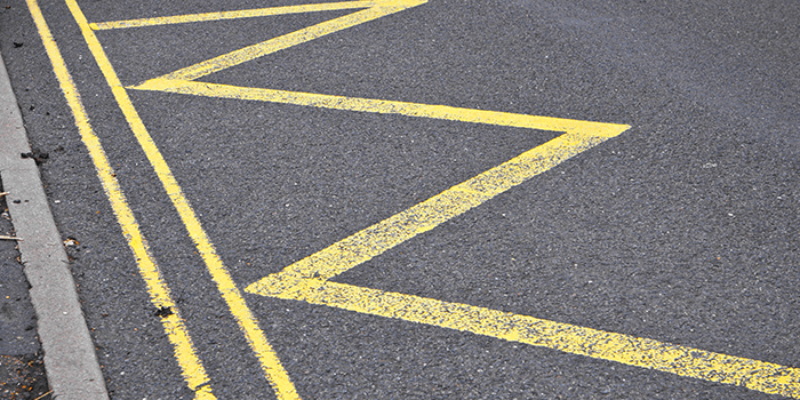
Why do zig-zag lines exist?
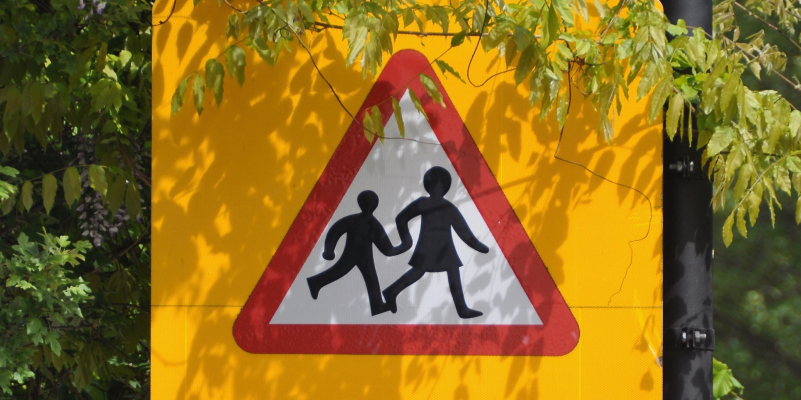
Zig-zag lines exist to reduce accidents and keep drivers and pedestrians safe. They were introduced to reduce accidents around crossings and important buildings, such as schools, where people might be stepping into the roads.
Zig-zag lines stop vehicles from parking, waiting or stopping in areas, keeping them clear, so both drivers and pedestrians can see more and react quickly.
When can you park on zig-zag lines?
This is probably the question our driving instructors hear most during lessons.
Generally, parking on zig-zag lines is not allowed. Exceptions to this are limited and usually very specific, including:
- On school yellow zig-zag markings when time restrictions are not active.
- To stop for emergency vehicles, if necessary.
- Temporary stops caused by traffic flow.
- Rare cases where signage explicitly allows it.
As a general rule, avoid parking on zig-zag lines. They will have been put down because parking in this area could cause an accident, so it is safer to stay clear. However, there are slightly different restrictions between yellow zig-zag lines and white zig-zag lines to be aware of.
Can you park on white zig-zag lines?
White zig-zag lines are normally found near pedestrian crossings, keeping the approach to them clear. Parking, waiting or stopping on them is never allowed.
Whether you are taking driving lessons in Milton Keynes or Liverpool, do not park on white zig-zag lines at any time. Your driving instructor will point these out during lessons so you can spot them confidently in real-world driving situations.
Helpful things to remember:
- Even pulling over to stop the car quickly counts as parking.
- Cameras often monitor busy pedestrian crossings to catch offenders.
On your driving test, your examiner will expect you to be aware of these restrictions and keep zig-zag lines clear for everyone’s safety, especially in busy areas, such as near schools.
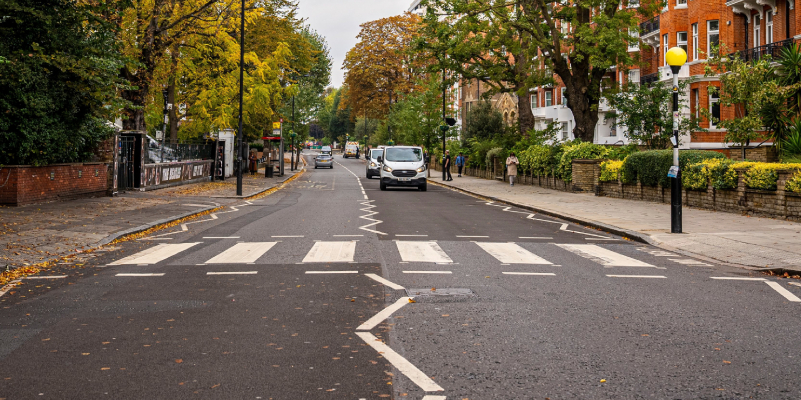
Can you park on yellow zig-zag lines?
Yellow zig-zag lines normally appear outside schools and work slightly differently from white ones. If there are signs nearby specifying times, restrictions on stopping will only apply during these hours. If there are no signs, you cannot park, wait or stop on yellow zig-zag lines at all. Stopping includes:
- Picking someone up quickly.
- Dropping off passengers.
- Waiting in the car, even with hazard lights on.
Schools can get busy very quickly, and yellow zig zags keep the area cleared from parked cars to avoid accidents.
Our driving instructors in Gillingham, Birmingham, and across the country often guide learners through busy school zones to build up their driving confidence. They will show you how yellow zig zags work in real life so that you feel comfortable with them and avoid receiving any penalties.
What happens if you park on zig-zag lines?
Many learners assume nothing will happen, but there can be real consequences.
If you are caught parking, waiting or stopping on zig-zag lines, you could receive:
- A Penalty Charge Notice (PCN) from the council, with fines usually around £100.
- Where the council does not have enforcement powers, a police officer or a traffic warden could issue a Fixed Penalty Notice (FPN).
- A serious fault on your driving test if the examiner notices you stopping in a restricted area.
Remember, the reason that the zig-zag lines have been put in is to reduce the risk of accidents. If you stop on them, you may well cause an accident, which is far more serious than a fine.
Is there a penalty for parking on zig-zag lines outside a school?
The zig-zag markings outside schools are often enforced more strictly because they protect children.
If you are caught parking on yellow lines outside schools, you could face:
- Typically, a PCN from the council, likely to be between £70 and £130 in some London Boroughs.
- AN FPN from a police officer or traffic warden in some areas.
- Your car will be towed if it is deemed to be causing an obstruction.
Yellow zig-zag lines often need to have a nearby sign with hours of operation to be enforced by the council. However, police can still issue penalties if they see you parking on them.
Can blue badge holders park on zig-zag lines?
This often surprises people, but Blue Badge concessions do not apply to zig-zag markings. Anyone parking, waiting or stopping their vehicle on zig-zag lines reduces visibility in the area, increasing the risk of an accident. You would still receive a penalty for being caught parking on zig-zag lines with a Blue Badge.
As with other drivers, even with a Blue Badge, the safest choice is always to avoid stopping on zig zags whenever possible.
Final thoughts on parking on zig-zag lines
Because we support learners across many UK towns and cities every day, we know how much clearer things become once you get practical experience alongside good guidance. Whether you are having driving lessons in Bournemouth or Blackpool, getting comfortable with rules like this early will help you feel more in control and relaxed when you are driving independently.
Parking on zig-zag lines is rarely worth the risk. If you treat them as a no-parking zone unless signs clearly say otherwise, you will stay safer, avoid fines and build strong driving habits from the start. That confidence will stay with you long after you pass your test.

Written by Anthony Johnson
Grade A - 51/51
ORDIT Registered Trainer