From Monday, 24th November 2025, the driving test will change, giving examiners the option to ask learners to drive independently for anything between 20 minutes and the full duration of the driving test.
This means some tests may start from the test centre and continue using the sat nav for the entire drive.
In other cases, learners may be asked to follow a mixture of sat nav directions and traffic signs.
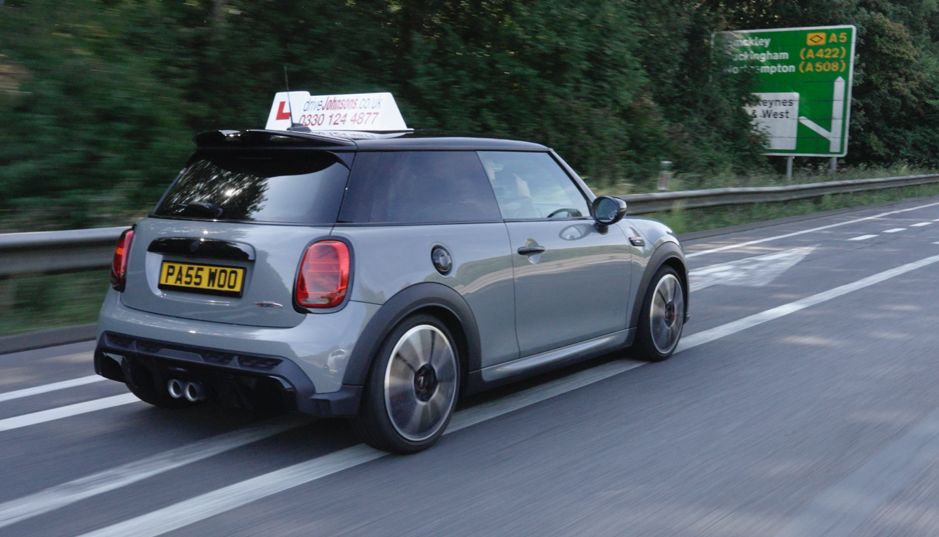
What is independent driving? A simple guide for learner drivers
The independent driving section is a key part of the UK driving test. It checks how safely you drive while making your own choices. Whether you follow a sat nav or road signs, this part looks at how well you stay aware, plan ahead, and stay calm under pressure.
If you’re getting ready for your test, it helps to know what to expect, what examiners want to see, and how to avoid common mistakes. The guide below explains each part of independent driving in more detail.
- What is independent driving?
- How the sat nav section of the test works
- How to prepare for the independent driving section
- Problems that may occur on the driving test with the sat nav
- Why has the DVSA implemented independent driving in the UK test?
What is independent driving?
Independent driving lasts between 20 minutes and the full duration of the driving test, during which candidates are asked to drive by following either:
- Directions from a sat nav
- Directions following traffic signs
- A combination of both
The examiner will set up the sat nav and provide initial instructions. Once the car is moving, the examiner will simply observe the learner following the route.
The main goal is to see if the learner can follow directions while driving safely. This is true whether you’re taking driving lessons in Manchester amongst busy city traffic, or on quiet roads in rural Wales. You’ll be expected to navigate on your own using the sat nav and road signs. This means planning ahead, like glancing at the sat nav early and getting to know the next junction or manoeuvre before you reach it.
What is the independent driving section testing?
The independent driving section checks how safely and confidently you can drive without the examiner giving you instructions at every step. It looks at how well you make decisions, handle road conditions, and stay in control while following directions by yourself.
More specifically, it focuses on these main areas:
1. Driving with responsibility and making realistic decisions
With the examiner remaining silent and not giving directions every 30–60 seconds, the learner is effectively on their own, just as they will be once they have passed the test.
You’ll need to read signs, respond to road layouts, and plan ahead without constant guidance.
2. Navigating unfamiliar or tricky areas
During the test, you might come across a difficult junction with little warning. The sat nav can help, but you still need to read the map, understand the layout ahead, and follow the right direction safely.
In more complex situations, some learners focus too much on the sat nav and forget to watch the traffic around them. This can put themselves and others at risk.
3. Ability to handle distractions
If you’re used to following your instructor’s directions, the sat nav’s voice might be distracting at first. The test checks if you can handle this and still drive safely.
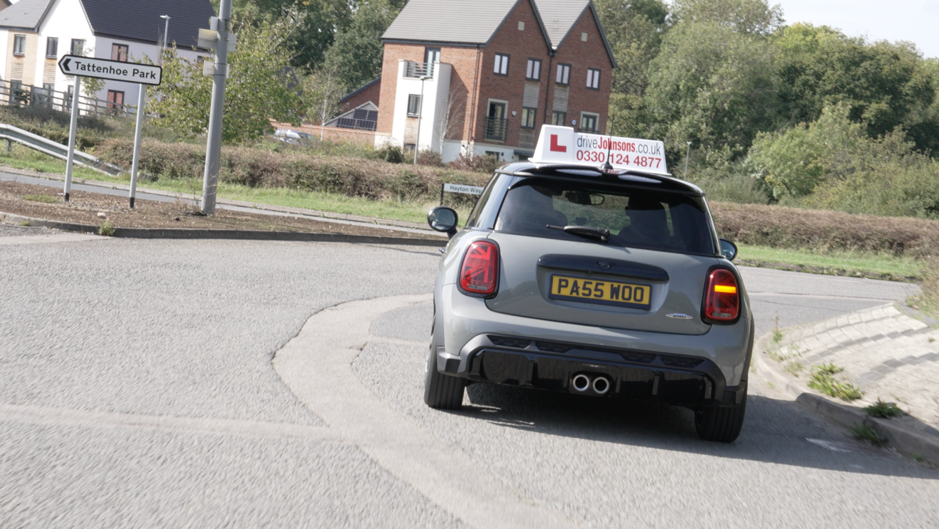
How the sat nav section of the test works
The sat nav part of the driving test helps you practice driving on your own, following directions without the examiner telling you what to do at every step. It checks how well you understand instructions, make choices, and handle different road situations while keeping control of the car.
The following sections explain how it works in practice, what you’ll be asked to do, how instructions are given, and what happens if you make a mistake:
Setup and independent driving overview
During the independent driving section, the examiner sets up a standard sat nav with the route already programmed. You won’t need to touch or use the device yourself. This part of the test can happen at the start, middle, or end, and checks how well you drive safely while following directions.
The sat nav gives clear spoken directions and lets you know how far it is to the next turn or junction. Sometimes it doesn’t tell you which lane to use, so pay attention to road signs and markings to make sure you are in the right place.
Sat nav and road sign instructions
The examiner will say something like:
“We’re going to start the independent driving section of the test. I’d like you to follow the sat nav’s directions and continue until I tell you otherwise. Drive on when you’re ready.”
In some cases, instead of using the sat nav, the examiner may ask you to follow traffic signs. They will usually pull you up to the side of the road before giving these instructions.
For example:
“I’d like you to follow the traffic signs for Nottingham, and continue to follow the signs until I tell you otherwise. Drive on when you’re ready, please.”
Always keep your focus on the road and use the sat nav only for quick checks. If road signs or markings ever disagree with the sat nav, such as at a no-entry or one-way street, follow the signs. The sat nav will update your route automatically.
What happens if you go the wrong way?
If you go the wrong way, you won’t get a fault as long as you do it safely. If you miss a turn or take the wrong exit, the sat nav will update and help you get back on track. The examiner is interested in your awareness, decision-making, and control, not whether you follow every direction perfectly.
You’ll only get a fault if your mistake results in unsafe driving, for example:
- Poor observations
- Incorrect road positioning
- Sudden braking
Stay calm, drive safely, and follow the new directions.
How to prepare for the independent driving section
The following tips will help you get comfortable with independent driving before your test:
- Practise using a TomTom Start 52 sat nav. Using the exact device helps familiarise you with the same prompts and screen layout you’ll experience on test day.
- Use the sat nav when practising complex junctions, like double and spiral roundabouts with multiple exits.
- Don’t rely 100% on the sat nav. Get used to checking road signs as well, as they may provide information the sat nav doesn’t show.
- Practise longer, unfamiliar routes. Driving to different towns or cities helps develop planning, awareness, and adaptability.
- Practise going the wrong way safely. If you miss a turn, learn how to stay calm and keep driving safely. This will help you avoid panic during the test.
Our top tip
It is safer to follow the spoken directions from your sat nav instead of watching the screen. If you are not sure about something, take a quick look at the device, then keep your eyes on the road. Don’t spend too long looking at the sat nav.
Many learners naturally ease off the accelerator when checking the sat nav. This is fine if you do it safely and check your mirrors, but doing it suddenly can slow you down and might lead to a driving fault.
TomTom settings for the driving test

Problems that may occur on the driving test with the sat nav
It’s normal to run into a few common problems with the sat nav during your driving test. If this happens, don’t worry—the examiner will know how to handle it.
These issues do not happen often, but it helps to know what could come up:
- Two junctions close together may be confusing. If unsure, ask the examiner for clarification—they are allowed to help.
- The examiner may ask you to ignore the sat nav temporarily due to roadworks or a device issue.
- Always follow their instructions.
- Battery issues may occur. The examiner will fix this or switch to verbal directions if needed.
- If the sat nav is silent, the examiner will provide spoken instructions.
- If the sat nav says “You have reached your destination,” keep driving until the examiner tells you to stop.
- The sat nav might misread double mini-roundabouts. If needed, the examiner may step in to help.
- If the sat nav is in an awkward position, you can ask for it to be adjusted safely.
Overall, these situations are rare, and your examiner will guide you through anything that comes up so you can continue the test safely and confidently.

Why has the DVSA implemented independent driving in the UK test?
Many years ago, drivers relied on maps or asking for directions. However, as technology has developed, sat navs and smartphones have become essential tools for navigating safely and efficiently.
Although the independent driving section of the test uses a sat nav to reflect real-world driving, it will not be on a smartphone. Learning to follow directions and adapt if you make a mistake will help you prepare to drive independently after passing your test.
You will also learn the importance of using devices only when stationary and how to recover safely if you end up in the wrong lane. This is just as important during your test as it is in everyday driving.
Using a sat nav is such an integral part of today’s life that even our driving instructors in Watford use their sat navs for their next pupil’s lesson, so that they are on time.
Final thoughts on the independent driving part of the test
Although independent driving may seem intimidating at first, with practice, it will start to feel more natural. During this section of the test, you will either be following a sat nav or traffic signs by yourself. The examiner will be watching your awareness, decision-making and control of the car – remember, if you take the wrong turn but do so safely, you will not lose marks for this. The goal is to make safe decisions rather than to follow directions perfectly.
On the day of your test, trust what you’ve learned, stay calm, and pay attention to the road, the sat nav, and any road signs. This part of the test is meant to help you get ready for real-life driving, not to trick you. If you drive safely and show what you can do, you’ll be ready to pass.
If you want more help with independent driving, get in touch with us here. One of our friendly staff members can talk with you about your needs and help you book a lesson with a local driving instructor.