The DVLA and DVSA may sound almost identical, but they’re responsible for different parts of driving in Great Britain. The easiest way to remember the distinction is that the DVLA deals with things like driving licences and official records, whereas the DVSA oversees driving tests and safety standards.
In this guide, we’ll explain what each agency is responsible for, when you might need to contact them and which common motoring matters neither organisation handles.
- Why Are the DVLA and DVSA Separate?
- What Does the DVLA Do?
- What Does the DVSA Do?
- What Can’t the DVLA or DVSA Help With?
- Should I Contact the DVLA or DVSA?
Why Are the DVLA and DVSA Separate?
The DVLA and DVSA may deal with closely related areas, but they actually have quite different backgrounds.
The DVLA’s story began in 1965, when the Driver and Vehicle Licensing Centre in Swansea took over responsibility for issuing licences from local councils. That organisation later became the DVLA we know today.
The DVSA came along much later. It was launched in 2014 when the Driving Standards Agency merged with the Vehicle and Operator Services Agency. The merger brought driver testing and training together with vehicle safety, roadworthiness and enforcement. The aim was to make these closely connected services more consistent, convenient and cost-effective.
So, although their names differ by just one letter, the two agencies aren’t separate branches of the same original organisation. Each one was created to look after a different part of Britain’s motoring system.
What Does the DVLA Do?
The Driver and Vehicle Licensing Agency (DVLA) looks after the official information connected to Britain’s drivers and vehicles. The agency maintains records for more than 53 million drivers in Great Britain and 48 million vehicles across the UK.
Its main responsibilities include:
- Applying for, renewing, replacing and updating driving licences
- Recording endorsements, disqualifications and relevant medical conditions
- Maintaining driving records and providing licence check codes
- Registering vehicles and issuing V5C log books
- Managing vehicle tax and SORN declarations
- Selling and managing personalised registration numbers
Essentially, the DVLA looks after the paperwork and official records connected to you as a driver and to any vehicles registered in your name.
Waiting times depend on the type of application. As of September 2026, an online driving-licence application will normally arrive within one week, although the DVLA asks applicants to allow two weeks before getting in touch. Postal applications can take around three weeks, while medical applications usually take around six weeks and may take longer if information is needed from a doctor. You can track an eligible driving-licence application through GOV.UK.
Driving licence enquiries: 0300 790 6801
Vehicle, V5C, vehicle tax and SORN enquiries: 0300 790 6802
Medical enquiries: 0300 790 6806
Opening Hours
Monday to Friday: 8am to 7pm
Saturday: 8am to 2pm
Webchat, WhatsApp, email and postal options are also available for certain enquiries. The official DVLA contact service will direct you to the correct one.
What Does the DVSA Do?
The Driver and Vehicle Standards Agency, or DVSA, is responsible for making sure drivers, instructors and vehicles meet the required standards in Great Britain. Its work covers everything from a learner’s first theory test to checks on commercial vehicles at the roadside.
Its main responsibilities include:
- Running theory and practical driving tests
- Managing driving-test centres and examiners
- Approving driving instructors and checking their teaching standards
- Approving MOT centres and testers
- Setting and enforcing MOT testing standards
- Testing lorries, buses and trailers
- Carrying out roadside checks on commercial drivers and vehicles
- Monitoring vehicle defects and safety recalls
Although the DVSA oversees MOT testing, you don’t book your car’s MOT with the agency. Motorists arrange their test directly with an approved MOT centre.
Driving-test waiting times can vary considerably depending on the test centre. In July 2026, half of learners waited no more than 11.1 weeks between booking and taking their test. However, newly released appointments are generally made available 24 weeks in advance. This is a different measurement and explains why the figures may initially appear inconsistent.
The new driving test changes in 2026 mean that learners must book and manage their own car driving tests, as instructors and unofficial cancellation services can no longer do this on their behalf. Learners are also limited to two appointment changes and can only move their test to one of the three nearest test centres.
Earlier appointments sometimes become available when another learner cancels or the DVSA adds more examiner availability. There is no general cancellation waiting list, and contacting the DVSA will not help you secure an earlier appointment because its advisers can only see the same available tests shown online. The official driving-test availability page is updated regularly with the latest waiting-time information.
Practical Driving-Test Enquiries and Booking Support
0300 200 1122
customerservices@dvsa.gov.uk
Theory-Test Enquiries
0300 200 1122
theorycustomerservices@dvsa.gov.uk
Driving-Instructor Enquiries
0300 200 1122
customerservices@dvsa.gov.uk
MOT, Vehicle-Testing and Commercial-Vehicle Enquiries
0300 123 9000
enquiries@dvsa.gov.uk
Opening Hours
Monday to Friday: 8am to 5pm
The official DVSA contact finder provides additional contact details for specific enquiries.
What Can’t the DVLA or DVSA Help With?
The DVLA and DVSA are responsible for a wide range of motoring services, but they won’t be the right organisations for every driving or vehicle-related problem.
Depending on what you need, you may have to contact a garage, insurer, council, police force or court instead.
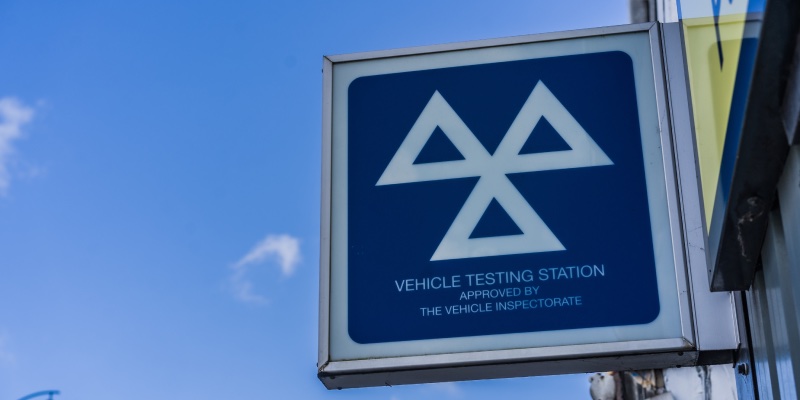
- Booking a car MOT: The DVSA approves MOT centres and testers, sets the standards they must follow and manages the official MOT database. However, it doesn’t take MOT bookings from motorists and you’ll usually arrange your test directly with an approved MOT centre.
- Repairing your vehicle: Neither agency carries out repairs, so you’ll need to contact a garage or mechanic.
- Dealing with an insurance problem: Contact your insurer first. If you’re unhappy with its final response, you may be able to take your complaint to the Financial Ombudsman Service.
- Questioning a fine or local road charge: Follow the appeal or payment instructions on the notice. Depending on who issued it, you may need to contact a council, another local authority, the police or a court.
- Removing or challenging penalty points: The DVLA records endorsements on your driving licence, but it cannot overturn a conviction or remove points because you dispute them. Follow the instructions on your penalty notice or contact the police fixed-penalty office or court responsible for the case. If a court conviction has been recorded incorrectly, contact the court that convicted you.
- Finding an earlier driving test: DVSA customer services cannot create new appointments or offer cancellations that are not available through the online booking service. Earlier tests may appear when another learner cancels or more examiner availability is added.
If you’re unsure who is responsible, check any letter, notice or reference number you’ve received. It will usually name the organisation dealing with your case and explain what to do next.
What If You Live in Northern Ireland?
The DVLA and DVSA guidance in this article mainly applies to England, Scotland and Wales. Northern Ireland has its own Driver and Vehicle Agency, known as the DVA.
The DVA handles Northern Irish driving licences, medical driving enquiries, theory and practical tests, MOTs, driving-instructor regulation and roadside enforcement. However, vehicle registration remains a UK-wide DVLA responsibility, so you’ll still use the DVLA for V5C log books, vehicle tax, SORN (Statutory Off Road Notification) and registration numbers. You can find out more about the services it handles by visiting the official DVA page.
Should I Contact the DVLA or DVSA?
The right organisation depends on whether your query relates to official records or to testing and standards. The examples below cover some of the most common situations.
| What Do You Need Help With? | Who Should You Contact? |
|---|---|
| I need to apply for, replace or update my driving licence. | DVLA |
| I need to book, change or cancel a theory or practical driving test. | DVSA |
| I need to update my V5C, tax my vehicle, make a SORN declaration or manage a personalised registration. | DVLA |
| I need to book an MOT for my car. | Neither* |
| I need additional support or reasonable adjustments for my theory or practical test. | DVSA |
| I’ve developed a medical condition that could affect my ability to drive. | DVLA |
| I want to view my penalty points, check my driving record or create a check code. | DVLA |
| My test was cancelled, or I want to complain about a test centre or examiner. | DVSA |
| I want to report a driving instructor’s service, conduct or teaching standards. | DVSA |
| I want to check whether my vehicle has been recalled for a safety issue. | DVSA |
| I believe an MOT was carried out incorrectly or want to report an MOT centre or tester. | DVSA |
*MOT tests are booked directly with an approved MOT test centre, rather than through the DVLA or DVSA.
As a learner driver, you’ll normally deal with both agencies at different stages. You’ll start with the DVLA when you apply for your provisional licence, then use DVSA services to book and take your theory and practical tests. Once you pass, the DVSA normally sends your result to the DVLA, which then issues your full driving licence automatically.
DVLA vs DVSA: The Key Difference
The easiest way to remember the difference is to contact the DVLA about driving licences and official records, and the DVSA about driving tests, instructors and vehicle standards. If you live in Northern Ireland, check whether your enquiry should go to the DVA or DVLA, as responsibilities are divided differently.
Knowing which agency to contact can save you time and help you get your question answered sooner. It also makes the process of learning to drive feel a little less confusing, especially when you’re applying for your first licence and preparing to take your tests.
If you’re ready to get behind the wheel or would like some advice about driving lessons, our friendly office team is here to help. We can talk you through your lesson options, answer your questions and help you decide on the right next step. Give us a call or get in touch through our contact form to get started.
Written by Anthony Johnson
Grade A - 51/51
ORDIT Registered Trainer