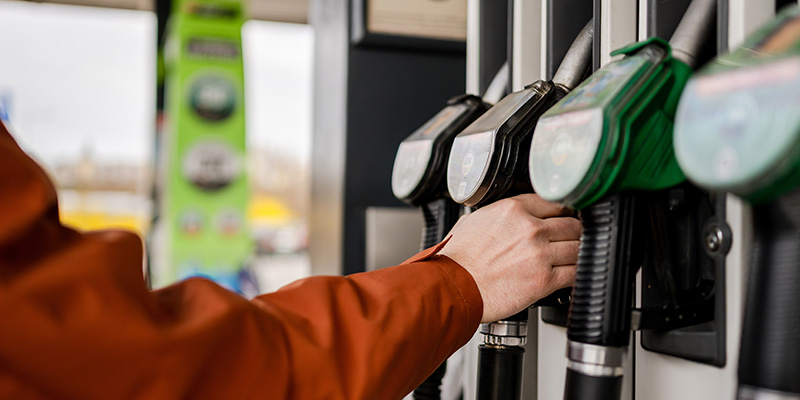
Fuel prices are increasing. If you drive to work, take the kids to school, travel on the motorway, or you’re a new driver on the road more often, those extra costs at the pump can add up fast.
The good news is you don’t need a new car or big lifestyle changes to cut your fuel costs. Simple habits, better planning, and being more aware of your driving technique can really help.
Here are some practical, easy steps you can take to save fuel.
- Why are fuel prices so high?
- Which driving techniques can save fuel?
- How to plan journeys to save fuel
- How to reduce unnecessary drag when driving
- What are the most efficient fuel consumption cars?
- Quick wins to save fuel immediately
Why are fuel prices so high?
Fuel prices in the UK change depending on what’s happening at home and around the world, which is why they can feel unpredictable.
Crude oil prices play a big role. When demand goes up or supply is disrupted, wholesale costs tend to rise. For example, the war in Iran has slowed the movement of crude oil to many countries, which has pushed up demand and prices.
Even if global oil prices don’t change, UK drivers might pay more or less depending on exchange rates. This is because fuel prices here also depend on how strong the British pound is against the US dollar, since oil is traded across the world in dollars.
There are also UK-specific costs like VAT and fuel duty, which make up a big part of what you pay. Even if oil prices go down, these fixed costs mean prices at the pump don’t always fall as fast as you might expect.
Finally, distribution and refining costs, plus retailer margins, all add to the final cost.
In short, it tends to be a combination of global markets and domestic taxation that impacts the prices you see at the pump.
Which driving techniques can save fuel?
This is one area where most drivers can start saving straight away without spending anything extra.
Smooth driving is key. Quick acceleration and hard braking use more fuel than gentle changes in speed. Try to keep your car moving instead of stopping and starting often.
Keeping a steady speed helps too. On faster roads, using higher gears lets your engine run at lower revs, which saves fuel.
Anticipating the road ahead is another big factor. If you’re reading the road ahead properly, you can ease off the accelerator early rather than braking late. It’s a great habit that our driving instructors in Manchester, Cardiff, and across the UK teach, as it makes a real difference to both your driving skill and fuel efficiency.
Idling is another silent fuel drain. If you’re stationary for more than a minute or two, it’s often more efficient to switch off the engine where safe.
Finally, driving in lower gears for too long and pushing the engine into high revs can waste fuel. Changing up a gear earlier helps keep the engine running more efficiently and reduces unnecessary fuel use.
How to plan journeys to save fuel
Route planning is often overlooked, but it can dramatically reduce how much fuel you consume.
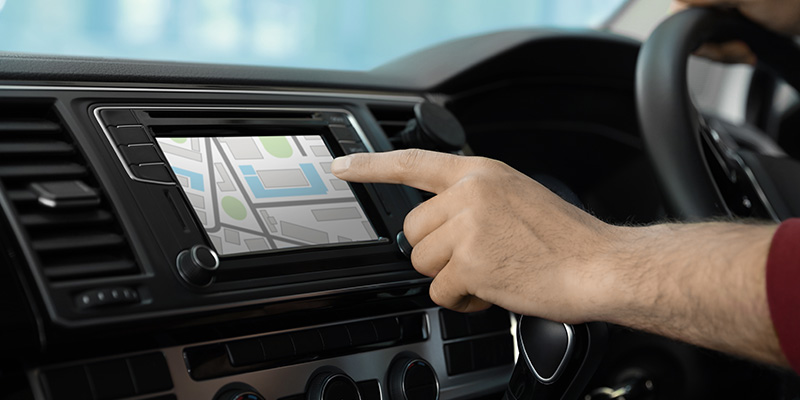
The simplest way to save fuel is to avoid traffic jams. Stop-start traffic is one of the least efficient driving conditions, as it forces constant speeding up and slowing down. Check traffic on navigation apps before you leave to avoid busy times or accidents. Even leaving 10 to 15 minutes earlier or later can sometimes help.
Cold engines use up more fuel, so taking multiple short journeys from starting your engine cold is less efficient than one longer, combined trip.
When you keep changing your route on longer journeys (for example, taking lots of side roads, shortcuts, or different turns suggested mid-trip), your car usually ends up using more fuel. This is why our driving instructors in Luton, Liverpool and other areas encourage their pupils to plan ahead, as this naturally leads to fewer unnecessary detours. Even small “shortcuts” can sometimes be longer or less direct, and navigation changes mean more changes in acceleration, impacting how much fuel you burn.
How to reduce unnecessary drag when driving
Drag is the air pushing against your car as you drive. The faster you go, the harder your engine works to move through it, using more fuel. Many everyday habits can increase drag without drivers even noticing, such as:
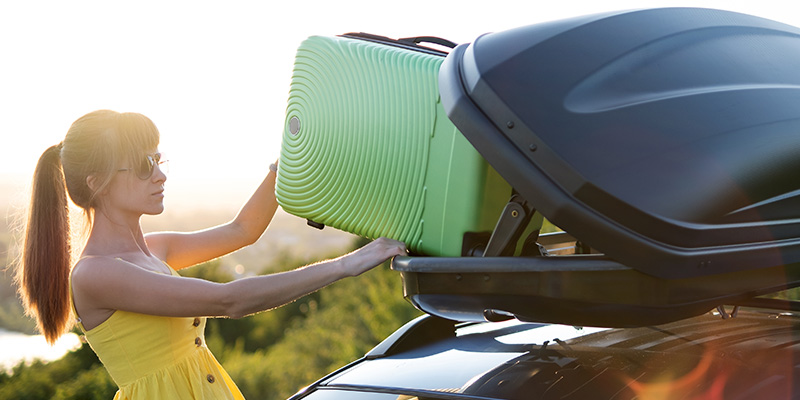
- Roof racks and roof boxes: Even when they’re empty, these mess with your car’s aerodynamics and create extra resistance, especially at higher speeds. If you’re not using them, remove them.
- Open windows: At higher speeds, having windows down increases turbulence around the car, forcing the engine to work harder to maintain speed. Keep them closed when driving on faster roads.
- Air conditioning: This can put extra load on the engine, increasing fuel consumption slightly, so use it sparingly wherever you can.
- Tyre pressure: If tyres are under-inflated, the engine has to work harder and uses more fuel. Check your tyres regularly and keep them at the right pressure to reduce resistance.
What are the most efficient fuel consumption cars?
If you’re planning ahead or thinking about buying a car, picking a fuel-efficient model can really lower your ongoing costs. The following types of cars are the most fuel-efficient:
- Cars with smaller engines: These usually use less fuel, especially in cities where there’s a lot of stop-and-go driving.
- Smaller petrol cars: Often the most efficient choice for city driving because they’re lightweight and designed for shorter journeys with lower speeds.
- Diesel cars: Can deliver better fuel economy over distance compared to petrol alternatives.
- Hybrid cars: By combining a petrol engine with electric power, they help reduce fuel use, particularly in stop-start traffic where the electric motor can do more of the work.
- Fully electric vehicles (EVs): Use electricity rather than fuel, so running costs depend more on electricity prices and how you top up your battery.
To save the most on fuel, choose a car that fits your driving style. For example, diesel cars are good for long motorway trips but not as great for short city drives, whereas hybrids are a good middle ground for mixed driving. Think about your usual journeys before buying.
Quick wins to save fuel immediately
If you’re looking for quick answers on how to save fuel, these are the most effective habits:
- Drive smoothly, avoiding harsh acceleration and heavy braking where you can.
- Check tyre pressure regularly, as under-inflated tyres use more fuel.
- Remove roof racks and roof boxes when they’re not needed.
- Don’t carry unnecessary weight in the car.
- Switch off the engine if you’re stationary for more than a short wait.
- At higher speeds, keep windows closed and use the air conditioning sparingly.
- Build speed gradually from junctions instead of pulling away sharply.
- Try to avoid heavy congestion and stop-start routes where possible.
- Stick to a steady speed on motorways when conditions allow.
Small changes like these add up, especially if you drive regularly.
Final thoughts
You can save on fuel by building small, consistent habits that reduce waste and improve your fuel efficiency over time.
As well as reducing drag, developing a smoother driving style can significantly cut fuel use. If you’re currently learning to drive or looking to improve your driving confidence and skill on the road, getting advice from expert instructors can make a big difference to this. Good driving habits not only help you pass your test, but also help you save money long after you’ve passed.
If you would like to get started with structured, high-quality driving lessons in Peterborough, Portsmouth, and other areas in the UK, explore options with driveJohnson’s to find an instructor local to you.

Grade A - 51/51
ORDIT Registered Trainer