Learning to drive can feel nerve-wracking at the best of times. When you struggle with anxiety, it’s easy to worry about making mistakes, dealing with other road users or not knowing what to expect. Even booking your first lesson can feel like a huge step.
At driveJohnson’s, we teach thousands of learners every year and regularly support people who feel anxious about driving. We know how much difference the right instructor, a little preparation and lessons that progress at a comfortable pace can make.
We believe that driving lessons for people with anxiety should feel supportive, flexible and never one-size-fits-all. They should give you the space to build your skills and confidence without feeling rushed or under pressure.
What you’ll find in this guide:
- Learning to Drive With Anxiety: What to Expect From Your Lessons
- Choosing the Right Driving Instructor When You Have Anxiety
- Preparing for Your Driving Lessons
- How to Deal With Anxiety While Driving
- Managing Driving Test Nerves
Learning to Drive With Anxiety: What to Expect From Your Lessons
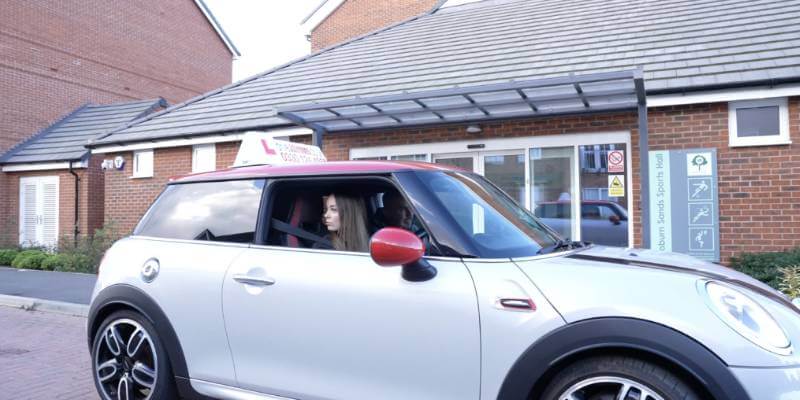
Knowing roughly what happens in your first driving lesson can make the whole experience feel a little less daunting. Your instructor will usually begin with a chat about any driving experience you already have, how you’re feeling and whether there’s anything you’re particularly worried about. You’ll also have time to become familiar with the car and its controls before getting started.
Most importantly, your first lesson is a chance to learn, not a test of what you already know. You won’t be expected to get everything right straight away, and new skills will be introduced gradually as your confidence grows. If something isn’t clear or you begin to feel overwhelmed, it’s always okay to say so and ask your instructor to slow things down or explain it differently.
Our YouTube channel also has a range of how-to videos that break different driving skills down step by step, so you can become familiar with them before practising them during a lesson.

Choosing the Right Driving Instructor When You Have Anxiety
Your instructor can make a big difference to how you feel about learning to drive. You’ll be spending plenty of time together, so it’s important to find someone who makes you feel comfortable, listens to your concerns and gives you clear instructions without making you feel rushed or overwhelmed.
Think about the teaching style you would find most helpful. You might prefer an instructor who’s a bit more chatty because it helps you feel more at ease, or you may find it easier to concentrate when conversation is kept to a minimum. Some learners prefer detailed, step-by-step instructions, while others find too much information at once overwhelming. There isn’t one correct approach that works, it’s about finding what suits you.
Recommendations from friends and family can be useful, particularly if they have experienced similar worries. You can also read instructor profiles and reviews to get a better sense of their personality and teaching style. However, an instructor who suited someone else may not necessarily be the best match for you.
Kirstin Roberts, who recently took driving lessons in Eastbourne with us, said:
“I put off learning to drive for years because of my anxiety. My instructor, Jack Spicer, was really friendly from the first lesson, so I never felt awkward or under pressure. If I started to feel overwhelmed, we’d pause the lesson for a bit and only carry on when I felt ready. That made me feel much calmer and helped me build my confidence.”
It can also be difficult to know what to ask when you first speak to a driving school or instructor. The questions below can help you explain what you need and get a better idea of whether the instructor is right for you.
- Have you taught learners with anxiety before?
- Could you tell me what we’ll be covering before each lesson?
- Can I let you know if I need less conversation or one instruction at a time?
- Unless it affects safety, could we go through mistakes once the car is stationary?
- Could we agree on a phrase I can use if I feel overwhelmed and need help stopping safely?
There is no single “perfect” response to every question. What matters most is whether the instructor listens, takes your concerns seriously and is willing to work with you to create an approach that feels manageable while keeping your lessons safe. You should finish the conversation feeling understood and comfortable asking for what you need.
Preparing for Your Driving Lessons
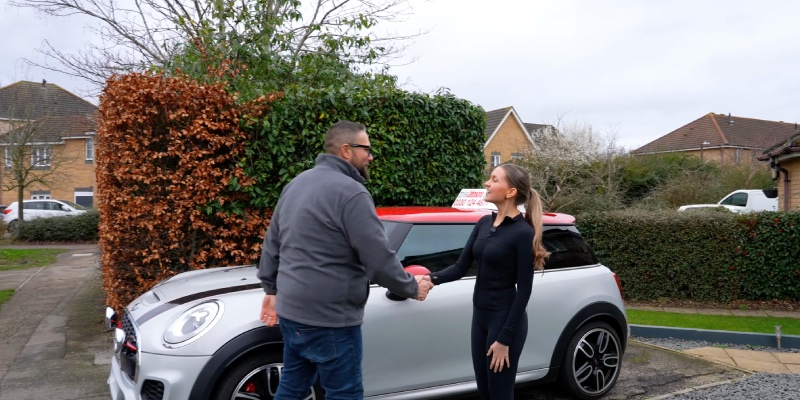
A little preparation can make your lessons feel less uncertain. Before setting off, tell your instructor how you are feeling and mention any specific worries, such as visiting an unfamiliar road or revisiting something you found difficult. You can then agree on what to practise and set one manageable aim together. The plan can always be changed if something becomes too much.
When arranging your lessons, think about when you generally feel most alert and, if possible, avoid booking straight after another stressful commitment. A regular weekly slot can help you settle into a routine, but consider the lesson length too, as shorter lessons may feel more manageable while longer lessons give you more time to settle.
Before your lesson, you may find it helpful to:
- Eat something light and have some water.
- Make sure you’re wearing comfortable clothing and suitable shoes.
- Practise a slow breathing or grounding exercise.
- Avoid extra caffeine if it makes you feel shaky or unsettled.
- Remind yourself that you are learning and are not expected to drive perfectly.
Afterwards, note what went well, what you would like to practise again and anything you want to ask next time. If a lesson felt difficult, remember that it does not erase the progress you have already made.
If you have access to a car between lessons, practising with a calm and patient friend or relative can help new skills feel more familiar. Make sure they meet the legal requirements for supervising a learner driver and that you have suitable insurance.
How to Deal With Anxiety While Driving
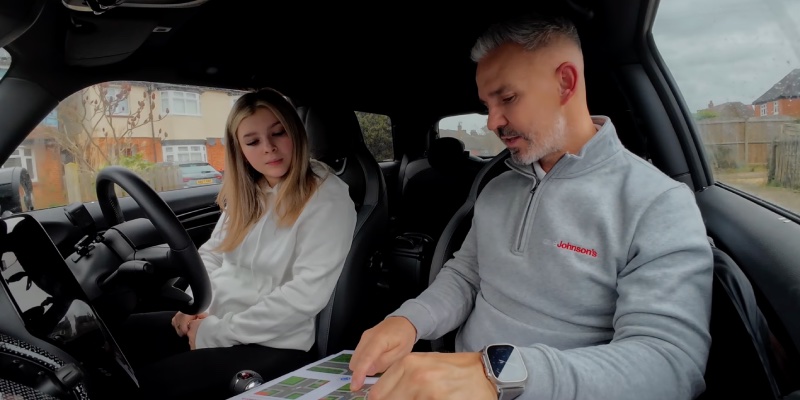
Anxiety can affect everyone differently, so it helps to recognise your own early warning signs. You might grip the steering wheel tightly, tense your shoulders, hold your breath, rush decisions or struggle to take in instructions. If you notice these signs, tell your instructor. A simple “I’m starting to feel overwhelmed” or the phrase you agreed before setting off is enough.
If You Feel Able to Continue Safely
- Focus only on the next task or instruction.
- Relax your shoulders and loosen your grip slightly.
- Take slow, steady breaths while keeping your attention on the road.
- Ask your instructor to give you one instruction at a time and allow you time to process it before moving on.
If You Feel You Need to Stop
- Tell your instructor as soon as you can.
- Follow their directions to find somewhere safe to pull over.
- Do not stop suddenly or choose an unsafe place.
- Once the car is secure, take some time to settle before deciding together whether to continue.
If you make a mistake, ask your instructor to explain briefly what happened and what you could try next time. Then bring your attention back to the next part of the drive instead of replaying it. Mistakes are a normal part of learning and do not mean you are a bad driver.
Some learners choose to try Rescue Remedy before a lesson or driving test, although evidence that it reduces anxiety is limited, so check the product information and speak to a pharmacist or doctor before using it. It should not replace professional support, particularly if anxiety affects your daily life, causes panic attacks or affects your ability to drive safely.
Having anxiety does not automatically mean that you need to notify the DVLA, but you must tell the DVLA if a diagnosed anxiety condition affects your ability to drive safely. Ask your doctor if you are unsure.
Managing Driving Test Nerves
If you already experience anxiety, the pressure of a driving test may feel more intense than ordinary nerves. Before booking, talk to your instructor about how anxiety usually affects you and practise mock tests with less conversation and no help unless it is needed for safety. This can help you become familiar with the change from lessons to test conditions.
Having a simple plan can help when dealing with driving test nerves. Decide which calming technique you will use, how you will bring your attention back after a mistake and what you will say if you do not understand an instruction. You can also tell the examiner that you feel anxious at the beginning of the test.
If anxiety is a health condition for you and you think you may need additional support during your test, you should mention your health condition when booking. You will still be assessed to the same driving standard, but the examiner may be able to make adjustments for your situation.
Being ready does not mean feeling completely calm. It means being able to drive safely and independently even when you feel nervous. If your anxiety is regularly preventing you from doing that, speak honestly with your instructor about whether you need more time before taking the test.
Progress, Not Perfection
Learning to drive with anxiety is not about getting rid of every nervous thought before you can make progress. It is about finding the right instructor, preparing for each lesson and learning how to respond when anxiety begins to build. Our 1 hour taster lesson gives you an opportunity to meet your instructor and decide whether you feel comfortable before committing to further lessons.
Some lessons will feel easier than others, but each one gives you more experience and helps you understand what support you need.
You may also find these resources helpful:
- Headspace: Guided meditation, breathing exercises and everyday support for anxiety.
- Mind: Mental health information, advice and support.
- Mental health services, charities and organisations: Information about accessing NHS support and finding help in your area.
Try not to compare your progress with anybody else’s. Taking a little longer, repeating a skill or needing to pause does not mean that you cannot become a safe and confident driver.
Get in Touch With Our Friendly Office Team
If anxiety has been making it difficult to take that first step, our office team is here to listen. You can tell us about any worries you have, the type of support you would find helpful and what you are looking for from your lessons.
Our calm and patient instructors have years of experience supporting learners in similar situations. We will take the time to understand your concerns and help you find an instructor whose teaching style suits your needs.
Contact us via your preferred method: