If you’ve just booked or are currently considering your options, you’re probably wondering what happens on your first driving lesson. We’re here to help and have outlined what generally happens from start to end on your first driving lesson.
- What to expect on your first driving lesson
- Do you drive on your first driving lesson?
- What happens on a first driving lesson?
- How to prepare for your first driving lesson
- Advice for your first driving lesson
- What should I bring to my first driving lesson?
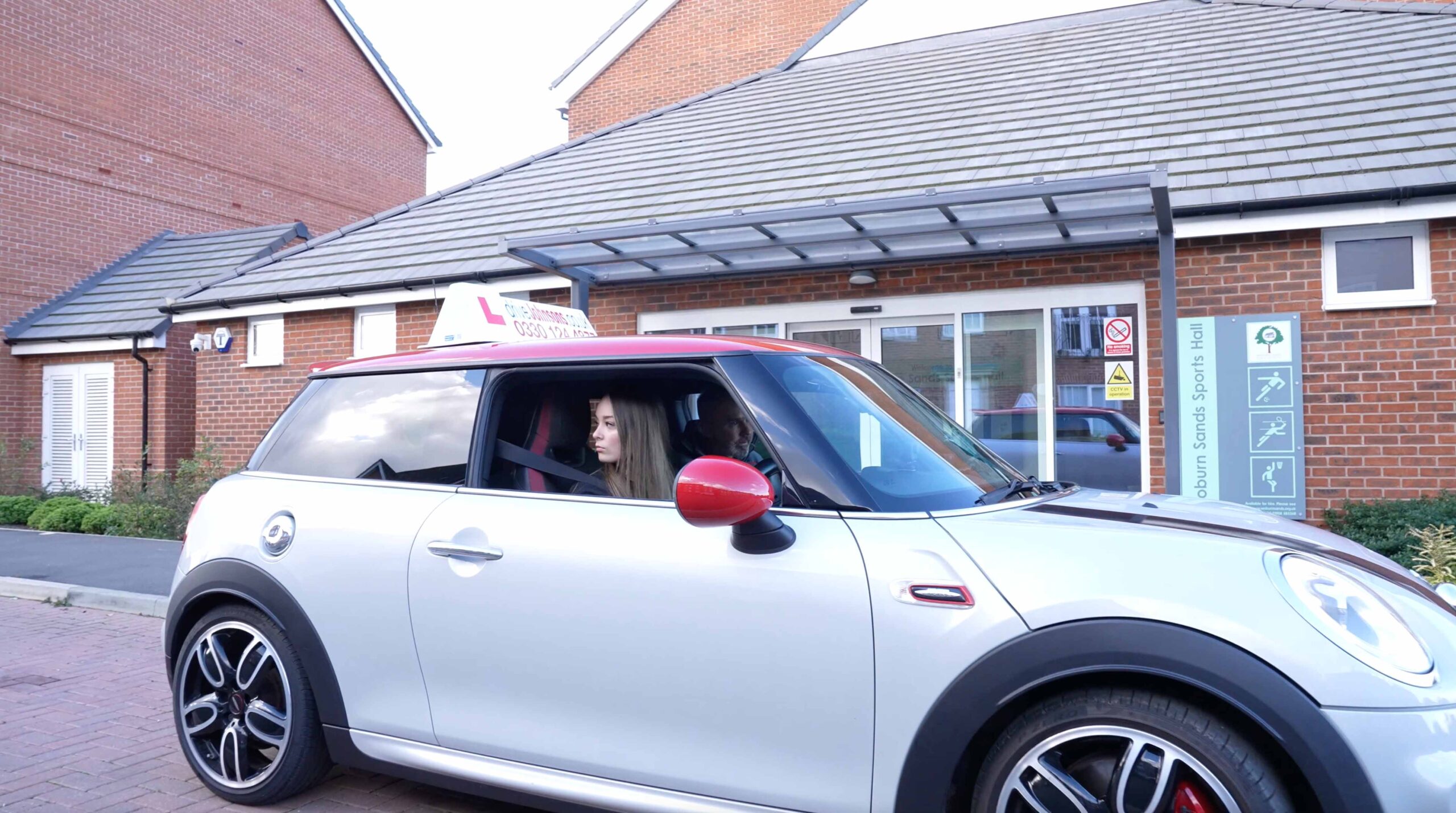
What to expect on your first driving lesson
It’s completely normal to feel nervous beforehand. You might have a rough idea of what to expect on your first driving lesson, while others rely on guesswork or stories they’ve heard from friends or family. The reality is usually far calmer and more supportive than people expect.
Your first driving lesson is all about easing you in. Think of it as the step between learning the rules and actually applying them. You’ll get to meet your driving instructor, become familiar with the car, and start putting all your driving knowledge into practice. Nobody expects perfection, just your willingness to learn and ask questions as you go.
Do you drive on your first driving lesson?
There are myths out there that you can spend an entire one or two-hour lesson stationary, without the car ever moving. We have heard of companies that do that, but it’s not something we practice at driveJohnson’s.
Our goal at driveJohnson’s is to get you driving as quickly as possible on your first lesson without compromising your safety.
What happens on a first driving lesson?
While every one of our driving lessons will be tailored to you as an individual, the structure of a first driving lesson is broadly the same whether you’re learning with our driving instructors in Oxford, Glasgow, or anywhere else in the UK.
Watch our short explainer video below to see exactly what happens during your first driving lesson, step by step.
Here’s generally what happens from the beginning to the end of the first hour:
Eyesight test and checking your provisional licence
You will be asked to read a number plate which will be approximately 20.5 meters away (5 car lengths). Once your eyesight has been checked, your instructor will look at your provisional licence and record some details, including your driver number. This is a legal requirement and nothing to worry about.
Quick Q&A
Your instructor will spend 2-3 minutes asking questions and finding out your previous experience.
Although you may not have driven before, you may have experience with other vehicles, such as a moped, go-karting, farm vehicles, or you may have practised with family and friends. Some pupils getting into the car for the first time know absolutely nothing, while others have some knowledge. By quickly finding out your prior experience at the beginning, your instructor can pitch their level of instruction accordingly.
Your instructor may also ask about your health or any medical conditions they should be aware of.
Drive to a practice area
Depending on where you live, your instructor may have to drive you to a quieter area. It’s important that you start in an area free from activity, such as approaching vehicles and busy junctions. This may take 5-10 minutes. Your instructor will take you to the nearest suitable place.
Commentary drive
On the way to a suitable place, your instructor may talk you through what they are doing. For example, they may talk about changing gear if you are learning in manual, turning the steering wheel, the use of mirrors, and more.
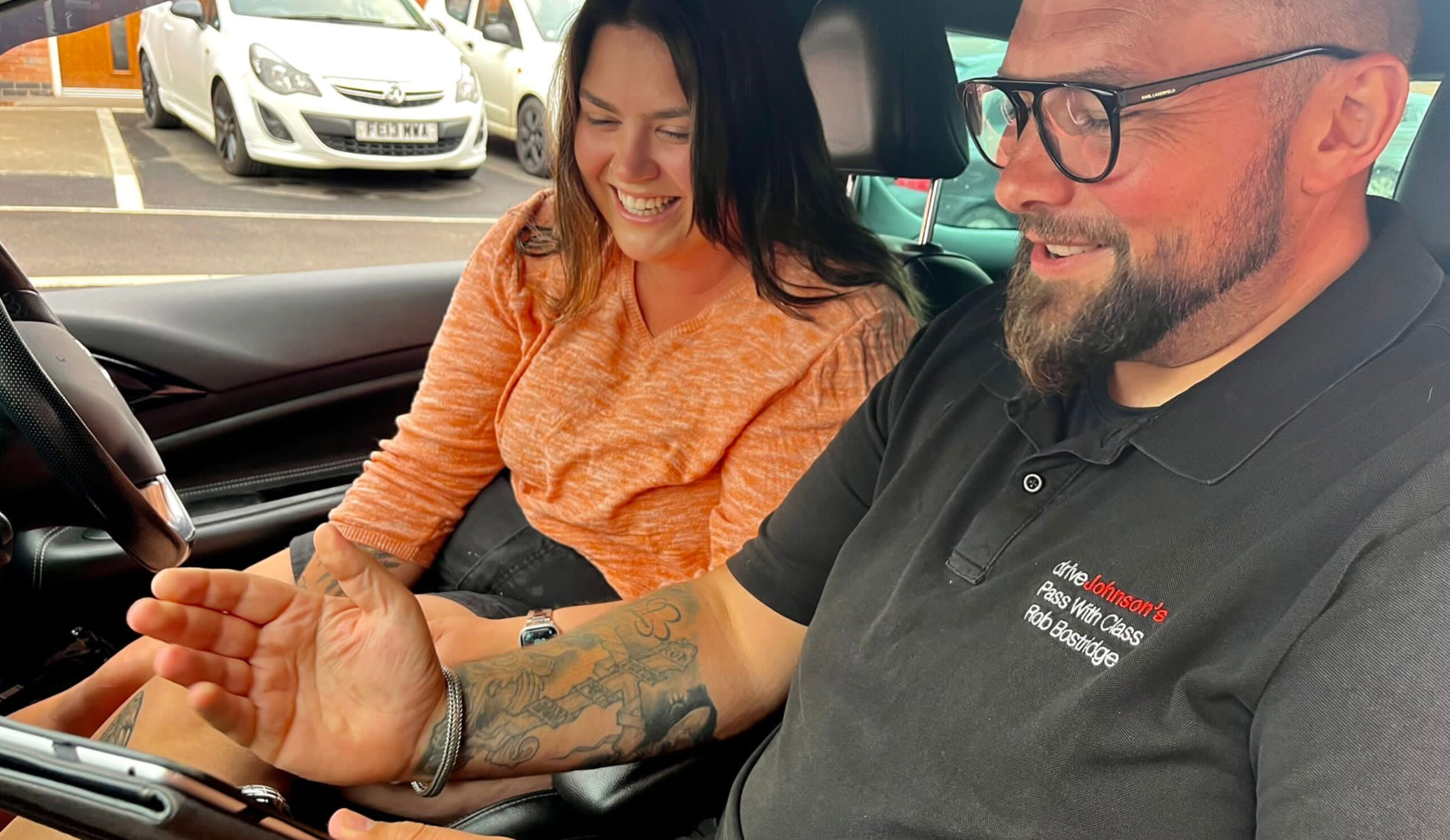
Controls
Once your instructor has found a suitable place, you must understand the controls of the vehicle. Little things, like adjusting the seat and mirrors, vary in every car.
Knowing which pedal is which, where the direction indicators are, and how to adjust the seat – these are all important must-knows before you start trying to move the car. These may seem simple to experienced drivers, but many learners won’t know them during their first lesson. It’s important to lay the foundations correctly so that there is no panic later when the car is moving.
Teaching controls can take up to 20 minutes. Depending on your prior knowledge, this can be shortened to just 5-10 minutes.
Moving off and stopping
Your instructor will need to brief you on what to do first. This can take up to 5 minutes, depending on your prior knowledge and experience. After the briefing, you will practice moving off and stopping in first gear. Once you are comfortable exceeding 5-10mph, your instructor will encourage you to change into 2nd and possibly 3rd gear too. Because the foundations were laid earlier, there’s less need to stop repeatedly to talk through the gears.
You can expect at least 5-10 moving offs and stops in your first lesson. To do so many moving offs, a long stretch of straight road is required; this is why finding a suitable location is important at the beginning to enable you to get the best practice in your lesson.
If you are doing a one-hour lesson, then you can expect your lesson to finish by moving off and stopping. With a two-hour lesson, you will also move on to turning left and right, and hopefully more.
Turning left and right from a major road into a minor road
Don’t be surprised if your instructor moves you onto this subject fairly quickly. What they often try to do is master moving off and stopping, and steering in the same lesson. The reason for this is that it’s hard to find very long empty roads, especially if you are having driving lessons in London. Many instructors will find a quiet housing estate where you can finish off your moving and stopping, and then help you to master how to turn left and how to turn right.
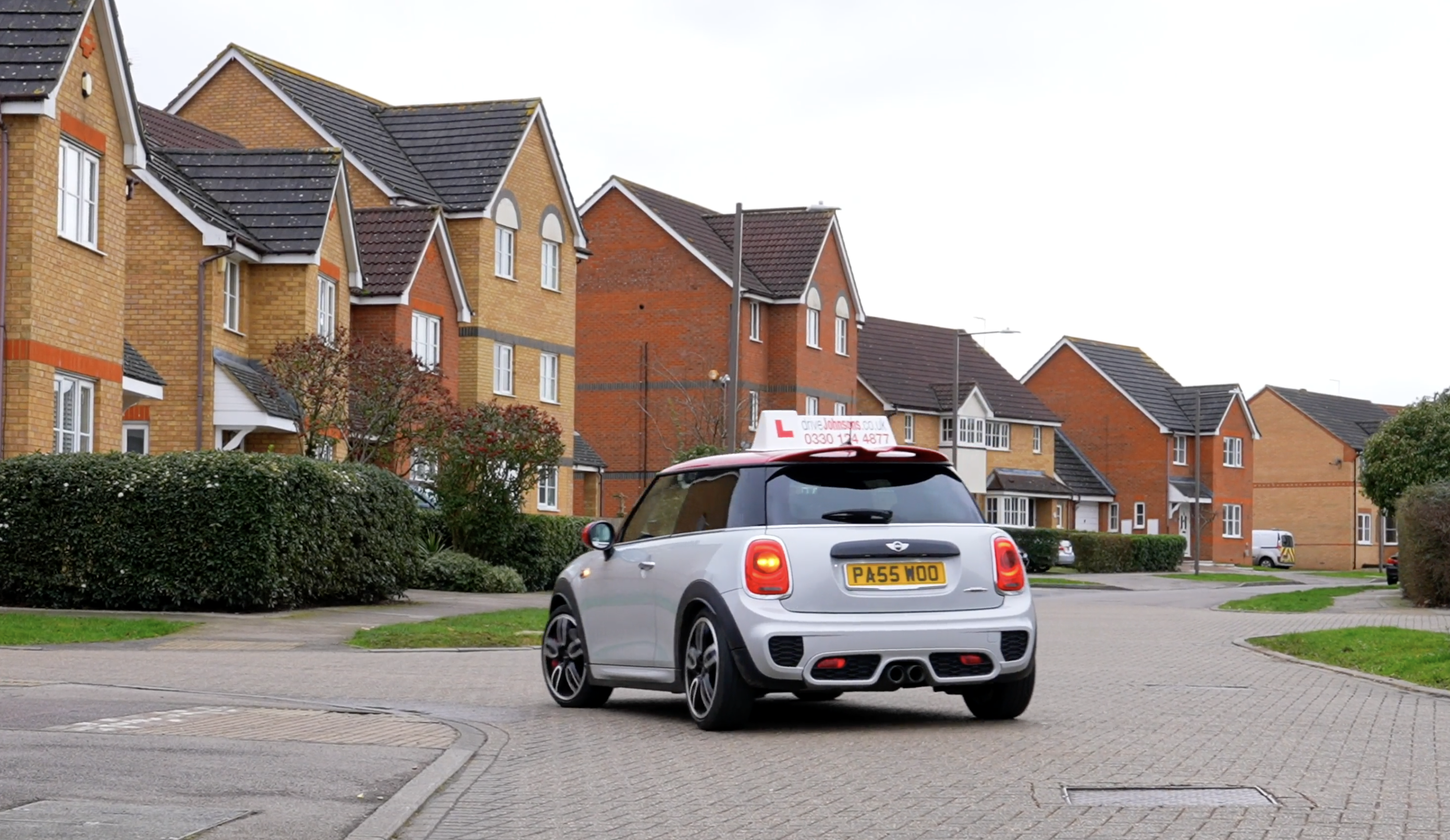
T-Junctions
Sometimes your instructor will even show you how to do T-Junctions. Don’t worry if you are practising these: that’s a sign you are having a really good lesson. Also, your instructor will do their best to find you quiet T-Junctions so that you can build up your confidence.
Drive back and debrief
Depending on where you live or want to be dropped off, your instructor may have to drive back, in the interests of safety and finishing your lesson on time. On the way back, your instructor will go over the lesson and possibly provide further commentary on what they are doing.
Feedback and rebook
Your instructor will ask you questions at the end about your performance, discussing your strengths and weaknesses. They will offer their constructive feedback.
Before leaving, your instructor will also offer to book you for your next lesson.
How to prepare for your first driving lesson
You don’t need to overprepare for your first driving lesson or put any pressure on yourself. Your instructor expects you to be a beginner, and mistakes are part of learning. The goal is simply to turn up ready to learn, not to get everything right the first time. This advice applies whether you’re taking driving lessons in Birmingham, Bury, or learning anywhere else with our instructors across the UK.
A little practical preparation can help you feel more relaxed:
- Get a good night’s sleep and eat beforehand
- Wear comfortable clothes and thin-soled shoes so you can feel the pedals
- Bring your valid provisional driving licence
- Double-check the lesson time and pick-up location
You don’t need any prior driving experience or theory knowledge. If you’ve already looked at the Highway Code, that’s great. If not, your instructor will guide you through everything step by step.
Most importantly, be open and communicative with your instructor:
- Tell them if you’re nervous
- Ask questions whenever something isn’t clear
- Speak up if you need things explained more slowly
Your first lesson is about building confidence and getting comfortable in the car. Turning up calm, prepared, and open to learning sets you up for a positive start.
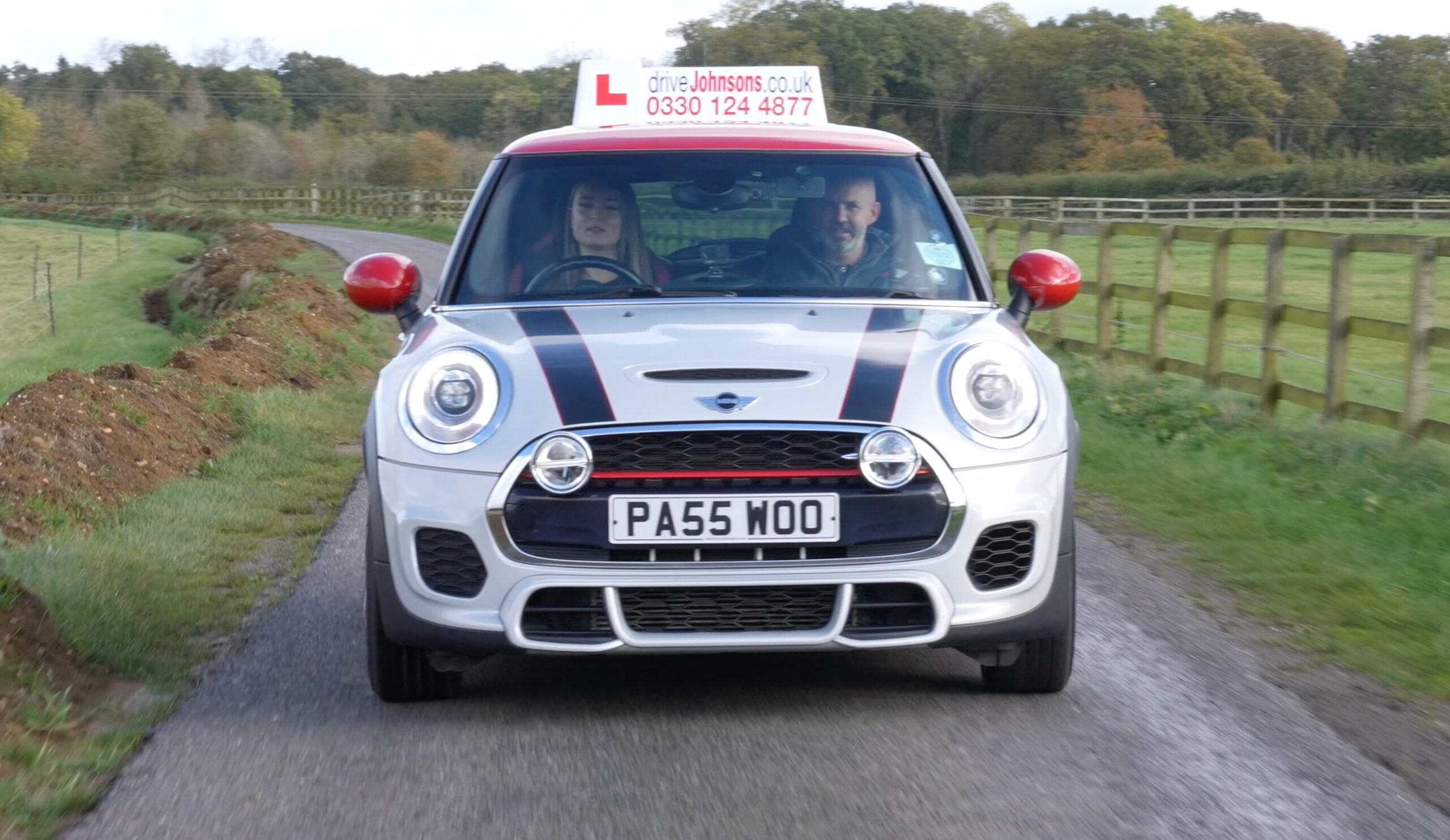
Advice for your first driving lesson
Your instructor is trained to work with beginners and will guide you through everything at a pace that suits you. There’s no rush, no pressure, and no expectation for you to already know what you’re doing.
A few simple tips can help you get the most out of that first lesson:
- Listen carefully and don’t be afraid to ask questions
- Focus on one thing at a time rather than trying to remember everything at once
- Take your time. Smooth and controlled is far more important than fast
- Don’t worry about mistakes; they’re how you learn and improve
What should I bring to my first driving lesson?
Please don’t forget to bring your provisional licence with you during your first lesson. Without it, your instructor won’t be able to start the lesson.
It’s also important to bring the following:
- Comfortable footwear with a thin, flat sole so that you can feel the pedals beneath your feet when you press them
- Comfy, relaxed clothing that allows you to move freely
- Your glasses or contact lenses, if you need them for driving
- Cash if you have agreed to pay your instructor on the day for the lesson
- A positive mindset that’s ready to learn
Other than the above, there’s no need to bring anything else. Your instructor will provide the car, the guidance, and the structure. You just need to turn up ready to learn.
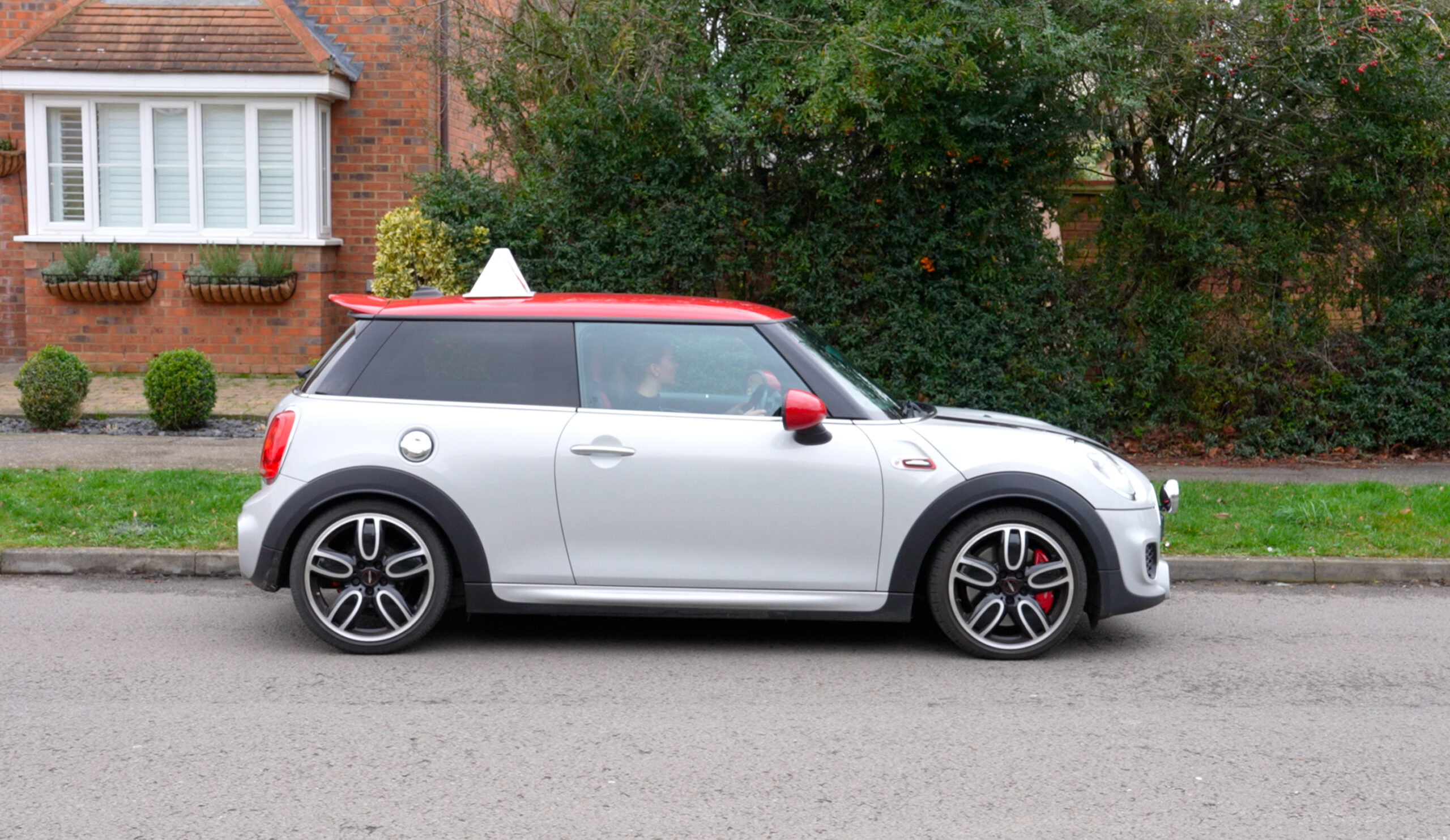
Your first driving lesson: what to remember
Remember, your first driving lesson is all about building confidence and getting comfortable in the car, not mastering driving straight away. There’s no need to worry or overprepare, as your instructor will have everything in hand.
Every learner starts in the same place, and each lesson builds on the last. Stay calm, trust the process, and view it as your first step towards becoming a safe, confident driver.

Written by Anthony Johnson
Grade A - 51/51
ORDIT Registered Trainer