It’s often the small habits that catch learners out on their driving test.
Coasting is one of them. It can creep into your driving technique without you noticing, and it can also negatively affect how an examiner marks you on your test. Getting to grips with it early can make a real difference to both your test result and your safety on the road.
So, what is coasting, and why do instructors focus on it so much? We break it down below.

- What does coasting mean in driving?
- Watch how to avoid coasting with Ricky Norwood
- Examples of coasting
- Why do drivers coast?
- Why is coasting a bad driving technique?
- Can coasting damage your car?
- Why can coasting put drivers in danger?
- How is coasting marked on the driving test sheet?
- Can you fail a driving test for coasting?
- How to avoid coasting when driving
What does coasting mean in driving?
Coasting is driving with either your clutch fully down or your vehicle in neutral (not in gear) while the car is still moving. It usually happens when you put the clutch down unnecessarily or too early.
When you coast, the engine is no longer connected to the wheels. This means the car is moving without engine power controlling it.
When you are driving and come off the gas, the car naturally begins to slow down. This is called engine braking. However, if you press down on the clutch immediately and coast, you disconnect the clutch plate from the engine plate (as shown in the diagram) and lose any potential engine braking. As a result, the car continues to roll more freely, giving you less control over your speed.

Coasting usually happens when:
- Slowing down too early before a junction
- Rolling towards a roundabout with the clutch fully down
- Going downhill in neutral
- Trying to avoid stalling at low speeds
Watch how to avoid coasting with Ricky Norwood
Ricky Norwood coasts as he approaches a turn on his mock test. See how to avoid a similar mistake in the video below.
Examples of coasting
Here are some real-world examples of coasting:
- Approaching a T-Junction downhill at 30mph: Pressing the clutch too early can cause the car to roll faster, as there’s no engine braking to help control your speed.
- Turning corners or emerging from junctions: Some drivers keep the clutch down while turning because they haven’t fully released it after changing gear. This means the car is coasting through the turn, and they don’t have as much control.
- Coming to a stop or while parking: Pressing the clutch too early when you are slowing down reduces your control over the car’s movement. The clutch should only be fully engaged just before the car stops.
Why do drivers coast?
Coasting is a common habit among learners, and is often picked up without even realising it. While it might feel harmless at first, it can affect your control of the car and even your chances of passing the driving test.
It often comes from trying to make driving feel easier. Some drivers press the clutch early when they approach hazards as they think it will make their driving safer and help them avoid stalling or reduce the pressure of choosing the right gear.
There’s also a long-standing myth that coasting saves fuel. In many modern cars, staying in gear while slowing down can actually use less fuel than coasting in neutral.
More importantly, coasting reduces your control of the car, which is why professional instructors focus on correcting it early and replacing it with safer, more controlled driving habits.
Why is coasting a bad driving technique?
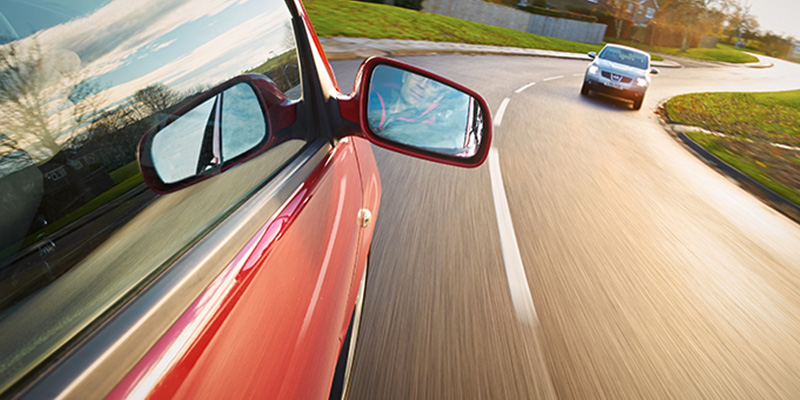
Coasting might feel smoother or easier, especially for new drivers, but it actually reduces your control and can make driving less safe. It’s also something driving examiners tend to notice quite quickly, especially when approaching junctions or roundabouts.
Here’s why it is considered a poor driving technique:
- Less control over the vehicle: With the clutch down, you lose the benefit of engine braking, which makes it harder to manage your speed, particularly when you’re approaching junctions or other hazards.
- Delayed reactions: If you suddenly need to accelerate, you first have to re-engage the clutch and find the right gear, which takes time you might not have in a fast-changing situation.
- Increased wear on brakes: Because the engine isn’t helping to slow the car, you end up relying on the brakes more than you should, which can wear them out faster over time.
- Reduced stability downhill: Coasting downhill often causes the car to pick up faster speeds, making it more difficult to maintain control.
In lessons, coasting is something that often comes up without learners even realising they’re doing it. This is why our professional driving instructors in Manchester, Portsmouth, and other places in the UK focus on teaching proper clutch control early on, preventing learners from developing it as a habit.
Can coasting damage your car?
Coasting doesn’t usually damage the engine itself, but it can lead to increased brake wear and, in some cases, unnecessary clutch use.
Coasting forces the car to drive with the engine disengaged, and because you’re not using engine braking, you rely more heavily on your brakes to slow down. This can cause brake components, such as brake pads and brake discs, to wear out more quickly than necessary. Driving in the correct gear helps balance the workload between the engine and brakes, improving both your control and how efficient they are.
Why can coasting put drivers in danger?
If your vehicle is either in neutral or the clutch is down, it reduces the level of control you have. While you can still steer and brake, your ability to respond quickly is limited because the car is not in gear. This can be especially risky when approaching junctions, roundabouts, or driving downhill, where keeping control of your speed is essential.
Coasting while driving forces your car to go into a state often referred to as “free-wheeling”. This means that the vehicle is not being propelled by the engine. This can make it harder to control your speed and positioning through a corner, and you may go too wide, finding yourself on the opposite side of the road in the way of oncoming traffic.
Being in the correct gear allows you to react more quickly and keep the car stable, which is why avoiding coasting is so important.
How is coasting marked on the driving test sheet?
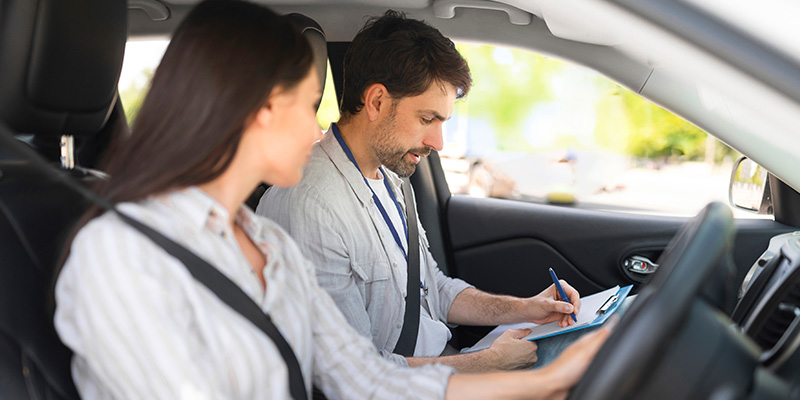
Coasting isn’t illegal, but it can be considered poor control if it affects your driving. If you coast on your test, it would be recorded by the examiner under the ‘Control’ section of the marking sheet, specifically relating to clutch use.
Examiners are looking for smooth, controlled driving, where you stay in the correct gear and maintain full control of the car at all times. Examiners follow a consistent marking standard, but coasting can be marked as a minor or more serious fault depending on how it affects your control and decision-making in the moment. We would always recommend avoiding any form of coasting on your test.
Whether you’re taking driving lessons in Northampton or elsewhere in the UK, your driveJohnson’s instructor would have completed full driving instructor training, so they will be able to spot coasting early and help you correct it. If you’re unsure about it, don’t be afraid to ask questions.
Can you fail a driving test for coasting?
Yes, you can fail your test for coasting, but it depends on how it affects your driving in the moment.
Coasting on its own isn’t always treated as a serious fault. However, if it leads to poor control or affects how you deal with a situation, that’s when it becomes a problem. For example, if you approach a hazard too quickly, hesitate at a junction, or cause another road user to change speed or direction, the examiner may mark it more seriously. In those situations, it could result in a fail.
That said, a small or isolated instance of coasting that doesn’t impact safety is more likely to be marked as a minor.
Ultimately, examiners are looking for one thing: that you’re in control of the car and able to respond safely and confidently to what’s happening around you.
How to avoid coasting when driving
The good news is that once you know what to look for, coasting is usually quite straightforward to put right.
It’s something our driving instructors in Slough, Edinburgh, and nationwide correct all the time in lessons. In most cases, it just comes down to timing and confidence with the pedals.
Here are a few simple things to focus on, which can help prevent coasting:
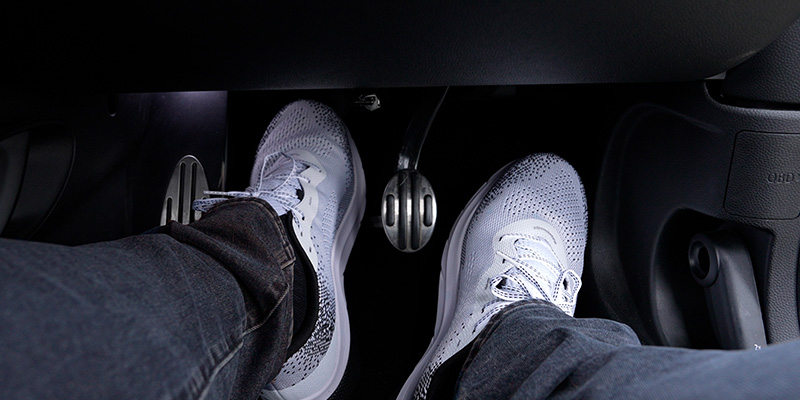
- Only press the clutch when necessary: Try not to dip the clutch too early. Use it for gear changes or when you’re about to stop, rather than while the car is still rolling.
- Stay in gear for as long as possible: Keeping the car in gear gives you more control and allows engine braking to do its job.
- Brake before the clutch: A common mistake is going for the clutch first. Instead, slow the car down with the brake, then press the clutch just before the engine starts to struggle.
- Practise clutch control regularly: The more comfortable you are with clutch control, the less likely you are to rely on coasting without realising it.
Once this clicks, most learners find their driving feels smoother and more controlled, and it’s one less thing to worry about on test day.
Final thoughts on coasting
Coasting is a driving habit that can have a big impact on how you control your vehicle. While it’s common among learners, it’s something you’ll need to correct to drive safely and pass your test.
By learning what coasting is and why it matters, you can build better habits early and feel more confident behind the wheel.
At driveJohnson’s, we help learners across the UK develop safe, test-ready driving skills through expert instruction and focused support. Whether you’re just starting out or getting close to your test, our driving lessons in Luton, Liverpool and elsewhere are designed to teach you how to control your vehicle safely so that you can drive with confidence for life.

Written by Anthony Johnson
Grade A - 51/51
ORDIT Registered Trainer