Lane discipline might sound technical, but it’s actually one of the most important everyday skills you will learn as a driver.
It plays a huge part in how safe and confident your driving appears. Whether you are taking driving lessons in Leicester or Liverpool, it is a skill that applies everywhere. Get it right, and your driving feels calm and controlled. Get it wrong, and you increase the risk of confusion, faults on your test, or even a collision.
In this article, we answer the most common questions learners ask us about lane discipline, so you can understand exactly what it is, why it matters and how to get it right.

- What is lane discipline?
- Why is lane discipline important?
- How to maintain lane discipline while driving
- How to know which lane to be in
- Lane discipline on roundabouts
- What is a lane violation in a driving test?
- Is lane discipline a serious fault?
- How to demonstrate good lane discipline on your driving test
- Poor lane discipline – how not to drive
What is lane discipline?
Lane discipline can feel confusing, especially when you’re learning to drive. It’s not only about staying roughly between two white lines. It is about choosing the correct lane, holding your position properly and reading the road ahead so you know which lane you should be aiming for next.
Whether you are approaching a busy roundabout, joining a dual carriageway or negotiating city traffic, good lane discipline helps you drive safely.
Why is lane discipline important?
You will be marked on your lane discipline during your practical driving test. This means positioning your car a safe distance from the kerb, keeping just left of the centre lines of the road. For your safety and that of other road users, you need to keep your vehicle within the white markings on the road to avoid collisions, and be aware of suitable lanes when you come across multiple lanes.
Having poor lane discipline puts you and other road users at risk of a collision. You could receive a minor fault or even a major fault on your test for being very careless with your lane discipline.
How to maintain lane discipline while driving
To maintain good lane discipline, stay alert and steer smoothly. Keep checking your surroundings, watch the road ahead, and steer gently to stay centred in your lane. Check your mirrors often and always signal before changing lanes. With practice, these habits will become second nature.
How to know which lane to be in
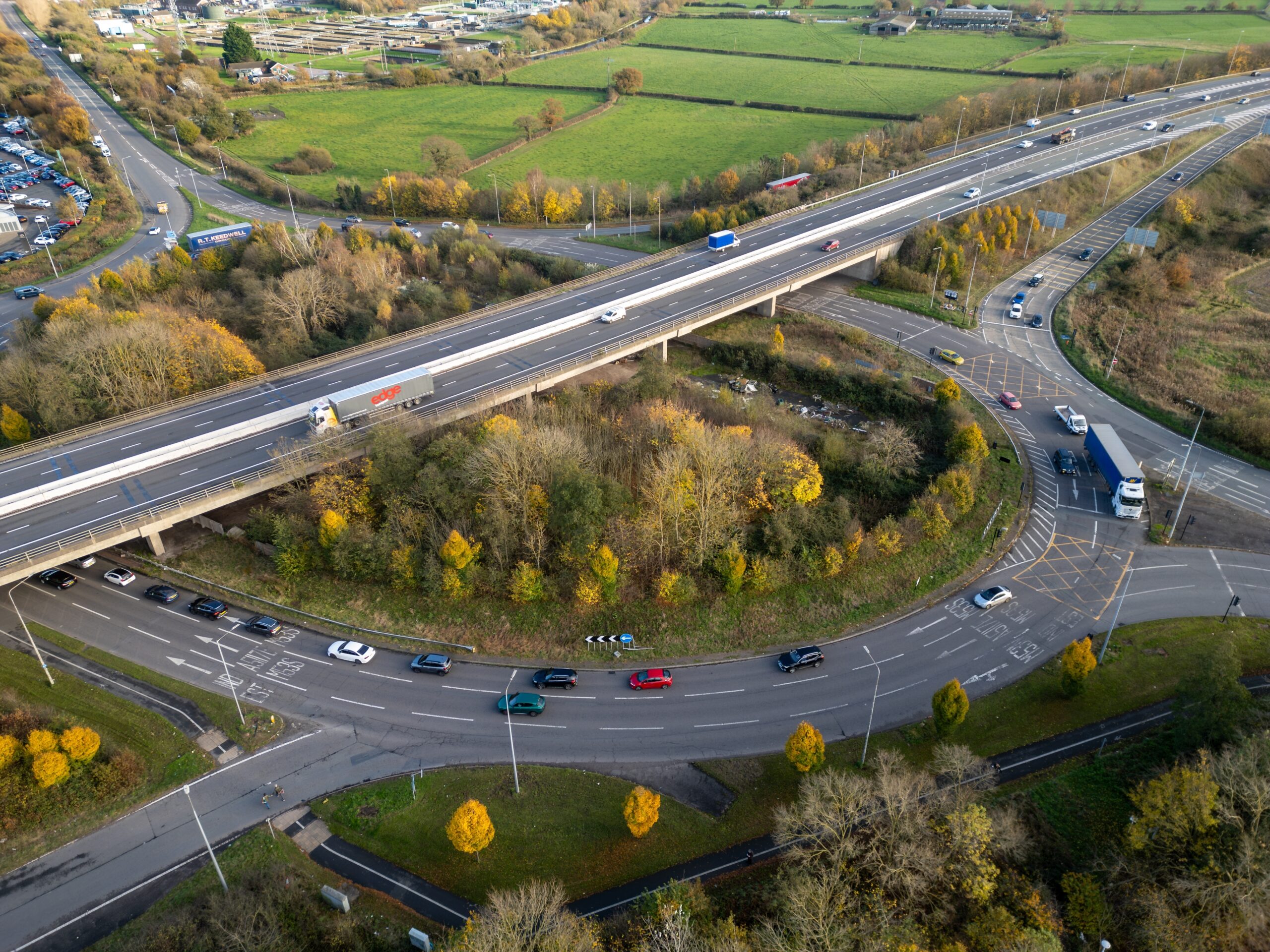
There will be many times when you are driving where you have multiple lanes to choose from, for example, when you are approaching a multi-lane roundabout. Always choose your lane based on your destination and the road signs and markings.
Knowing which lane to use means scanning ahead, planning, and paying attention to other drivers. As you approach a junction, check the road signs in advance, move into the correct lane for your turn, and avoid last-minute lane changes.
Lane discipline on roundabouts
Roundabouts can be tricky to navigate when you’re learning, but choosing the right lane will make driving across them much easier.
On most two-lane roundabouts, use the right lane to turn right and the left lane to turn left or go straight, unless the road markings indicate differently. Always signal clearly and choose your lane early. Good lane discipline at roundabouts helps stop confusion and accidents.
What is a lane violation in a driving test?
During your driving test, a lane violation happens when you cross into a lane unsafely. This may happen if you don’t stay in the correct lane for your turn or if you cross lane markings without signalling.
Examples of lane violations can include:
- Cutting across lanes on a roundabout.
- Driving too close to the kerb.
- Changing lanes when it’s not needed.
Examiners see these mistakes as unsafe, and you may be marked down on your driving test if they see you doing them.
Is lane discipline a serious fault?
Not all lane mistakes are equal. Small drifts or late lane changes are usually minor faults, but repeating the same mistake or changing lanes in a risky way can be a serious fault.
Lane discipline is serious if it puts you or others in danger, so it’s important to practice maintaining good lane discipline during your lessons.
How to demonstrate good lane discipline on your driving test
Your driving test examiner will assess how well you maintain your position according to the width and layout of the road. They will also be keeping an eye on the following:
- Distance from the edge of the road: Keep your vehicle in the middle of the road. If the road is very wide, keep to the left approximately a metre away from the kerb.
- Not going in and out of parked cars: This can be misleading to vehicles behind, who may think you are pulling up.
- Correct lane choice: Get yourself in the correct lane as early as possible and do not change lanes unnecessarily.
- Central positioning: If you have road markings, try to keep central so there is an equal distance on both sides.
- Adapting as needed: Adjust your position as necessary. This is so you can deal with any driving hazards ahead and behind the vehicle.
- Overtaking safely: If you need to overtake, then use the right-hand lane to do so, as demonstrated in the video below. Try to come back over to the left-hand lane if you are no longer overtaking anyone. The only exception to this is if the road markings state otherwise.
Poor lane discipline – how not to drive
Here are a few examples of poor lane discipline whilst driving:
Roundabouts
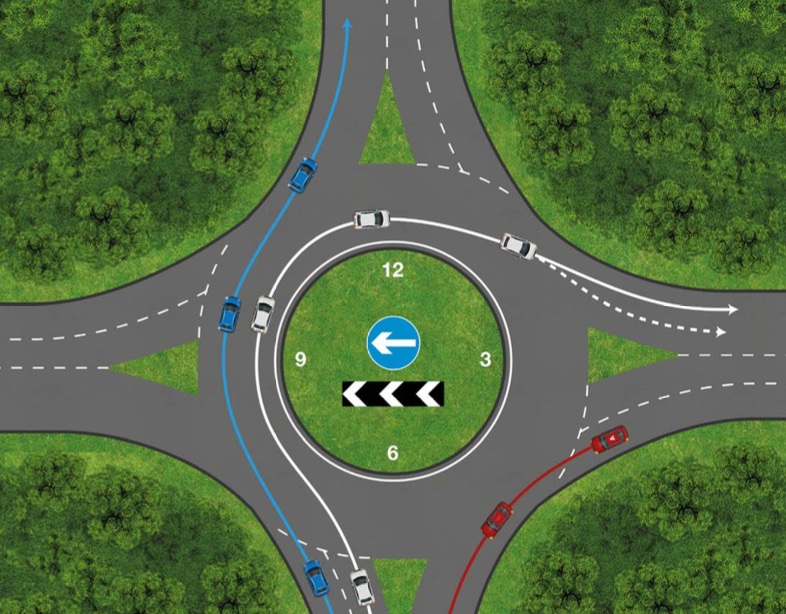
On most two-lane roundabouts, the right-hand lane is used for turning right, while the left lane is used for turning left or going straight ahead, unless signs or road markings indicate otherwise. It can be dangerous to get this lane choice wrong, as one of our driving instructors in Bedford, Chris Atherton, explains:
“When I’ve been taking pupils out for driving lessons in Bedford, I have seen drivers who are driving straight ahead, but cut across the roundabout in the right-hand lane, causing other vehicles on the road to stop in fear of crashing. It’s incredibly dangerous for both them and others on the road, and I’ve seen some very close calls where people have nearly had an accident.”
You should stay in the correct lane, as seen in the diagram below, as you drive across a roundabout.
Motorways
Although motorway driving is not part of the practical driving test, learners can drive on motorways with an approved instructor in a dual-controlled car, so it is important to be aware of general driving rules. For example, if you were to choose to drive in the right-hand lane and travel at 50mph, this would be inappropriate, as the right-hand lane is used to overtake other cars, and 50mph is too slow to do this. Using the inside left lane would be a far better option. See our article on how to drive on the motorway for more information.
White markings
Drifting in and out of the white road markings may cause other cars to bump into you if they are trying to overtake your vehicle. Always remember, once you have chosen a lane, to stay inside the markings to prevent other drivers or pedestrians from becoming confused about your positioning.
Final thoughts on lane discipline
Lane discipline is not about being perfect, but about being prepared. Examiners are looking for awareness, control and good decision-making, not robotic precision. To demonstrate good lane discipline, choose your lane early, stay centred, and avoid sudden changes whilst driving.
Whether you need driving lessons in Oldham, Taunton, or elsewhere across the UK, our experienced driving instructors will help you to master lane discipline so that it comes naturally when you are behind the wheel. We focus on building confident, consistent driving habits that not only help you pass your driving test but also help you to drive safely and decisively for life.

Written by Anthony Johnson
Grade A - 51/51
ORDIT Registered Trainer