On this page
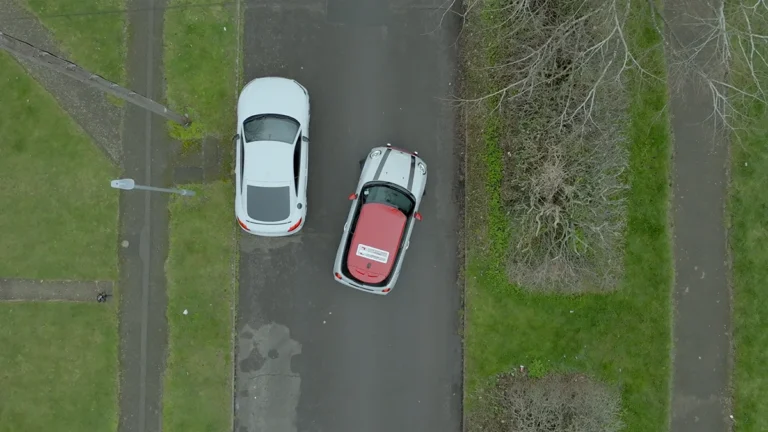
Objectives: You should be able to identify a safe and legal place to carry out the turn in the road. You should be able to turn the vehicle around in the road using forward and reverse gears so that it faces the opposite direction. Try to complete the manoeuvre under control and with due regard for the safety of other road users.
Turn in the Road
Find a safe and legal place
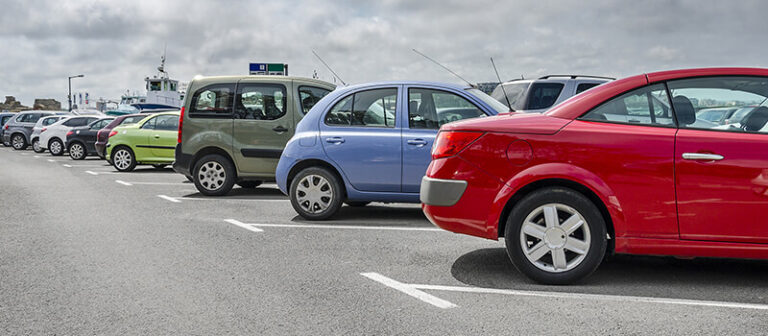
Avoid doing this manoeuvre near junctions, bends and one way streets, check the Highway Code for more places.
Key Control Tips
- Vehicle speed: Keep the car moving at a slow walking pace. See our guide to clutch control.
- Steering speed: Turn the steering wheel quickly and smoothly, using large steering movements.
Preparation:
Once you have established that it’s safe to start the manoeuvre, you should begin to prepare the car.
Manual: Select first gear, set the gas (if necessary) and find the biting point with the clutch (not too high).
Automatic: Select Drive.
Have your right hand on the handbrake or ready to press the handbrake button.
Observations
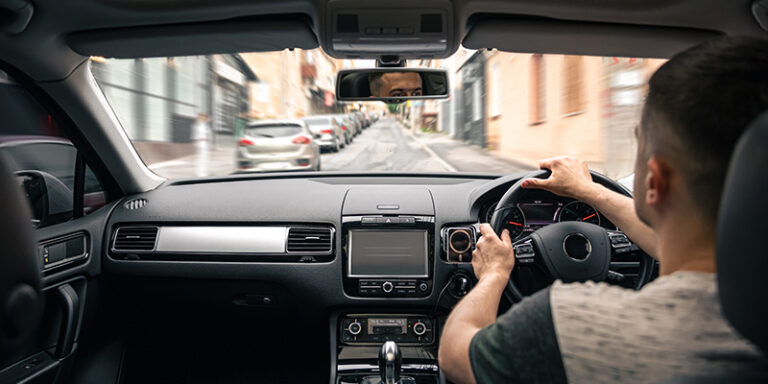
Position A: Complete a 360-degree observation before moving off.
Position B: Complete a 360-degree observation before reversing.
Position C: Complete a 360-degree observation before driving forwards again.
Going forwards: Look up and down the road regularly.
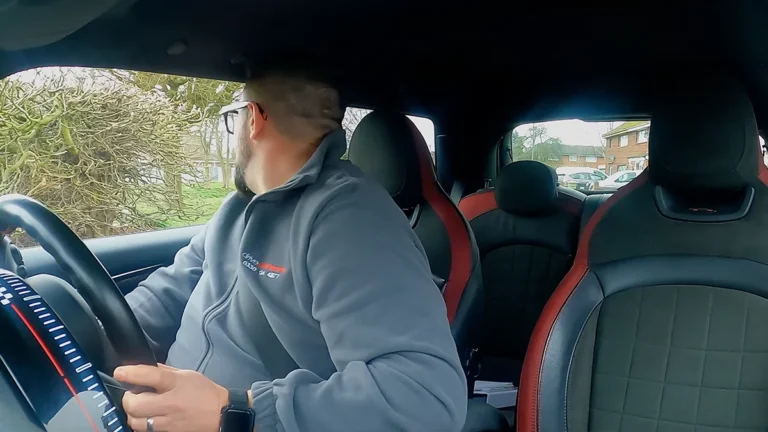
Going backwards: Look over both shoulders regularly.
Manoeuvre:
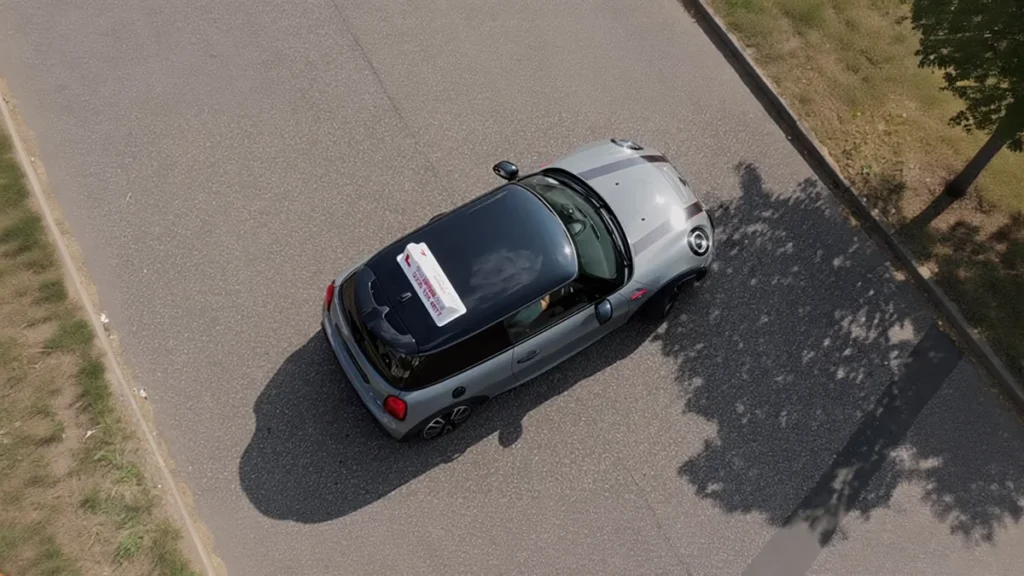
Keep the vehicle moving very slowly throughout the manoeuvre. Try to avoid dry steering (turning the steering wheel when the car isn’t moving).
Use the drag-to-explore button on the animation to see the full manoeuvre.
How to judge a kerb: Your instructor may show you a focal point. You are also allowed to put your window down and stick your head out briefly to check the kerb. You shouldn’t be looking in one position for too long. So only quick glances.
Priorities: Oncoming vehicles have priority, so as they get closer to you, you will need to stop and let them past. It’s safer to stop first then look and assess. If the oncoming vehicle waits for you, then you can proceed with caution.