The Show Me, Tell Me questions may only be a small part of your driving test, but getting them wrong could affect your result. From checking your brakes to using your car’s controls safely, the questions are designed to show that you know how to stay safe and legal on the road. They’re also skills and knowledge that you’ll use throughout your driving journey, not just on the day of your test.
In this guide, we’ll explain what the Show Me, Tell Me questions are, what the driving examiner is looking for, and share some simple tips to help you feel more prepared on the day. You’ll also find all of the current Show Me and Tell Me questions and answers, along with a free PDF that you can save for later.
- What Are the Show Me, Tell Me Driving Test Questions?
- Free Downloadable Show Me, Tell Me Questions PDF
- Common Mistakes for Show Me Questions
- Top Tips for All the Show Me Questions
- Common Mistakes for Tell Me Questions
- Top Tips for All the Tell Me Questions
- Frequently Asked Questions
What Are the Show Me, Tell Me Driving Test Questions?
Please note: Our instructor, Rob Bostridge, who provides driving lessons in Rugby, explains each Show Me question for the purpose of this video. During your driving test, you don’t need to verbally explain your actions to the examiner when answering a Show Me question – you simply need to demonstrate the control safely when asked.
During your driving test, the driving examiner will ask you one Tell Me question at the beginning, before you set off, and one Show Me question during the test while you’re driving.
A Show Me question requires you to demonstrate how you would use one of your car’s controls. For example: “When it’s safe to do so, show me how you would check that the horn is working properly.”
A Tell Me question simply requires you to explain something about your vehicle, such as how you would carry out a safety check.
Below, you’ll find all of the current Show Me and Tell Me questions and answers used on the practical driving test. Remember, you’ll only be asked one Show Me question and one Tell Me question during your test, but it’s worth taking the time to learn them all so you’re fully prepared on the day. Don’t worry about trying to remember all 21 questions in one go. Most learners find it much easier to learn a few at a time during their driving lessons until they become second nature.
The Show Me Questions and How to Answer Them
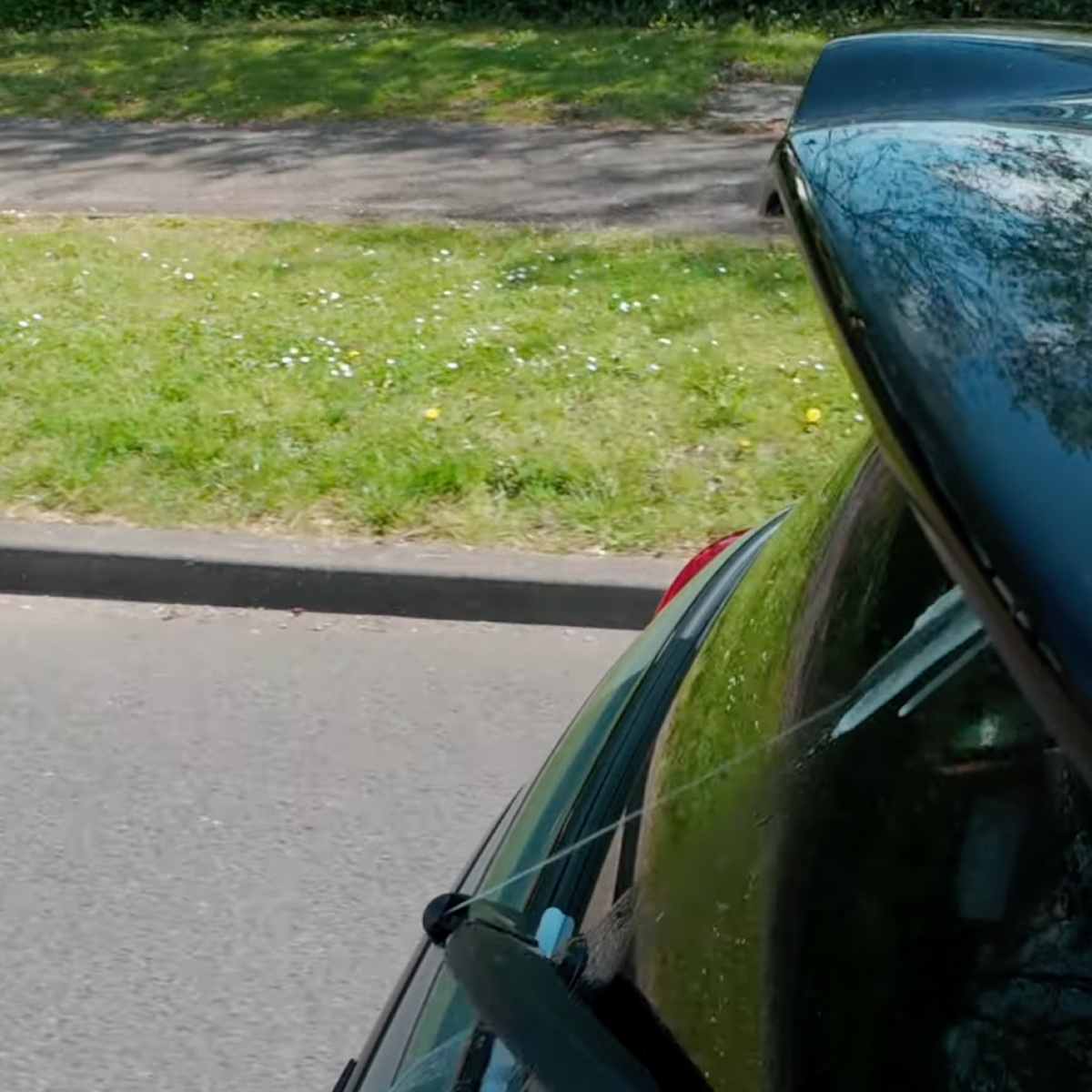
When it’s safe to do so, can you show me how you wash and clean the rear windscreen?
Use the correct control to operate the rear windscreen washer and wiper. Make sure you know where the control is before your test, as it can vary slightly between different cars.
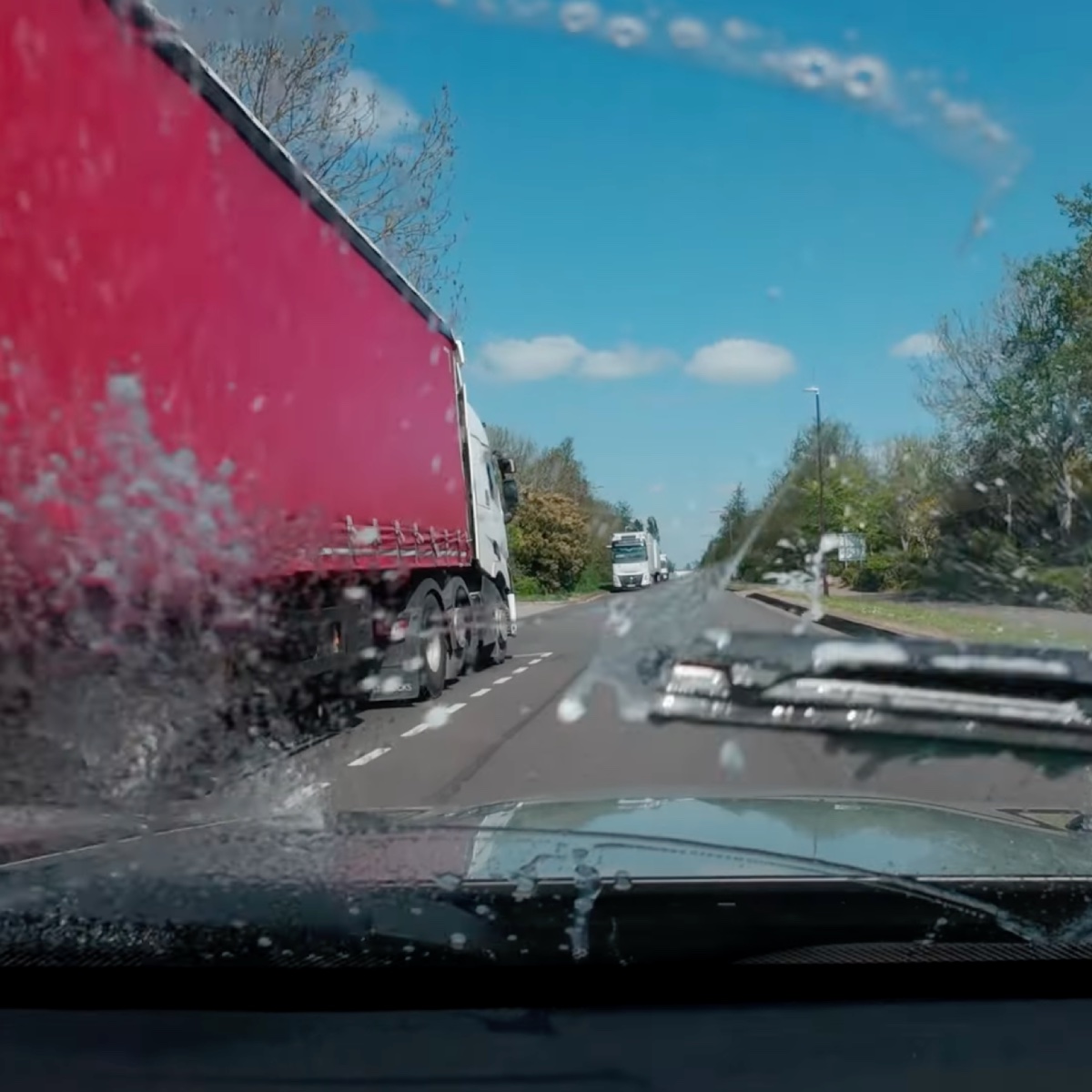
When it's safe to do so, can you show me how you wash and clean the front windscreen?
Operate the front windscreen washer and wipers using the correct control. Remember to wait until it's safe before taking one hand off the steering wheel to use the controls.
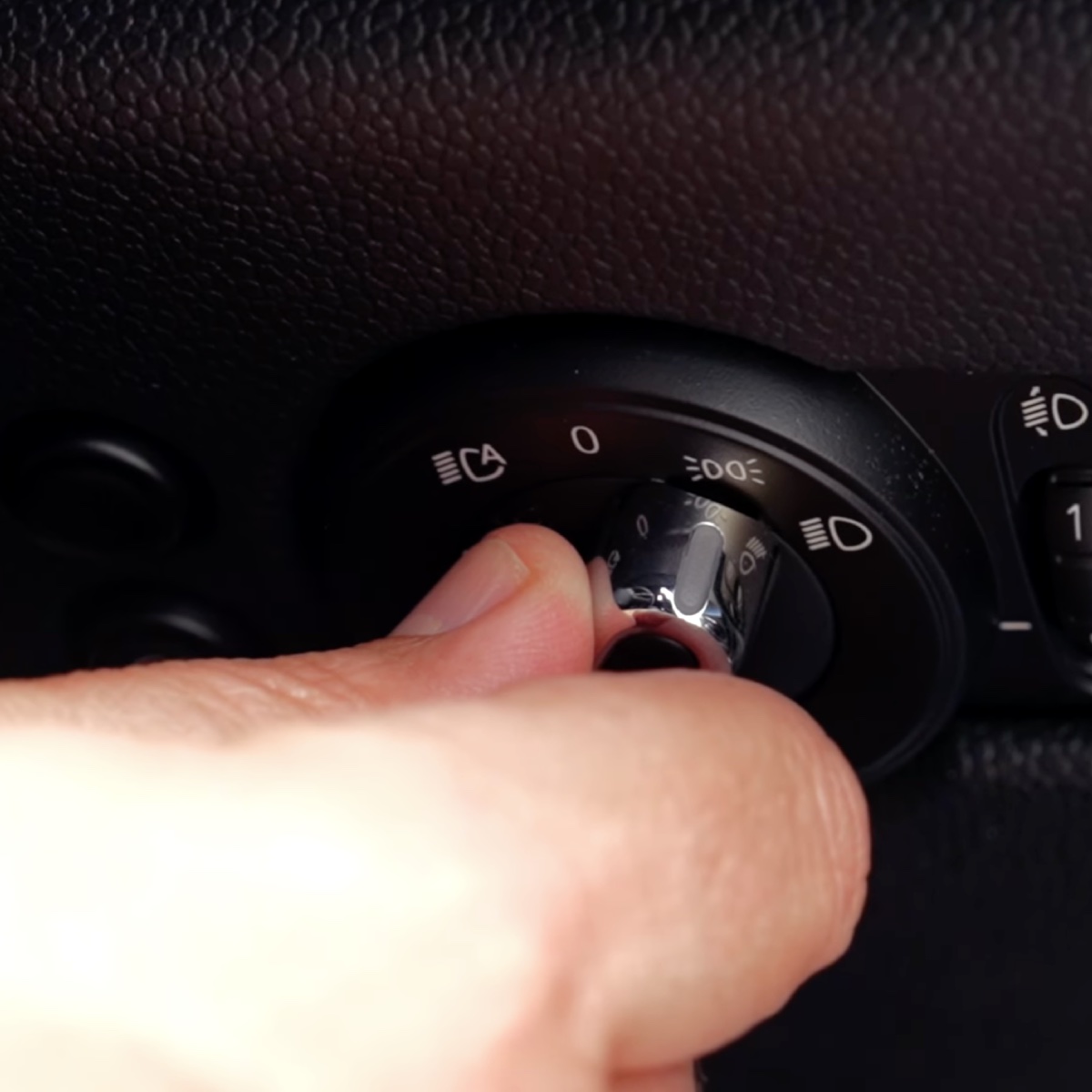
When it's safe to do so, can you show me how you'd switch on your dipped headlights?
Turn on the dipped headlights using the appropriate control in your car. Most cars have a dashboard dial or steering column stalk, so it's worth becoming familiar with your instructor's vehicle.
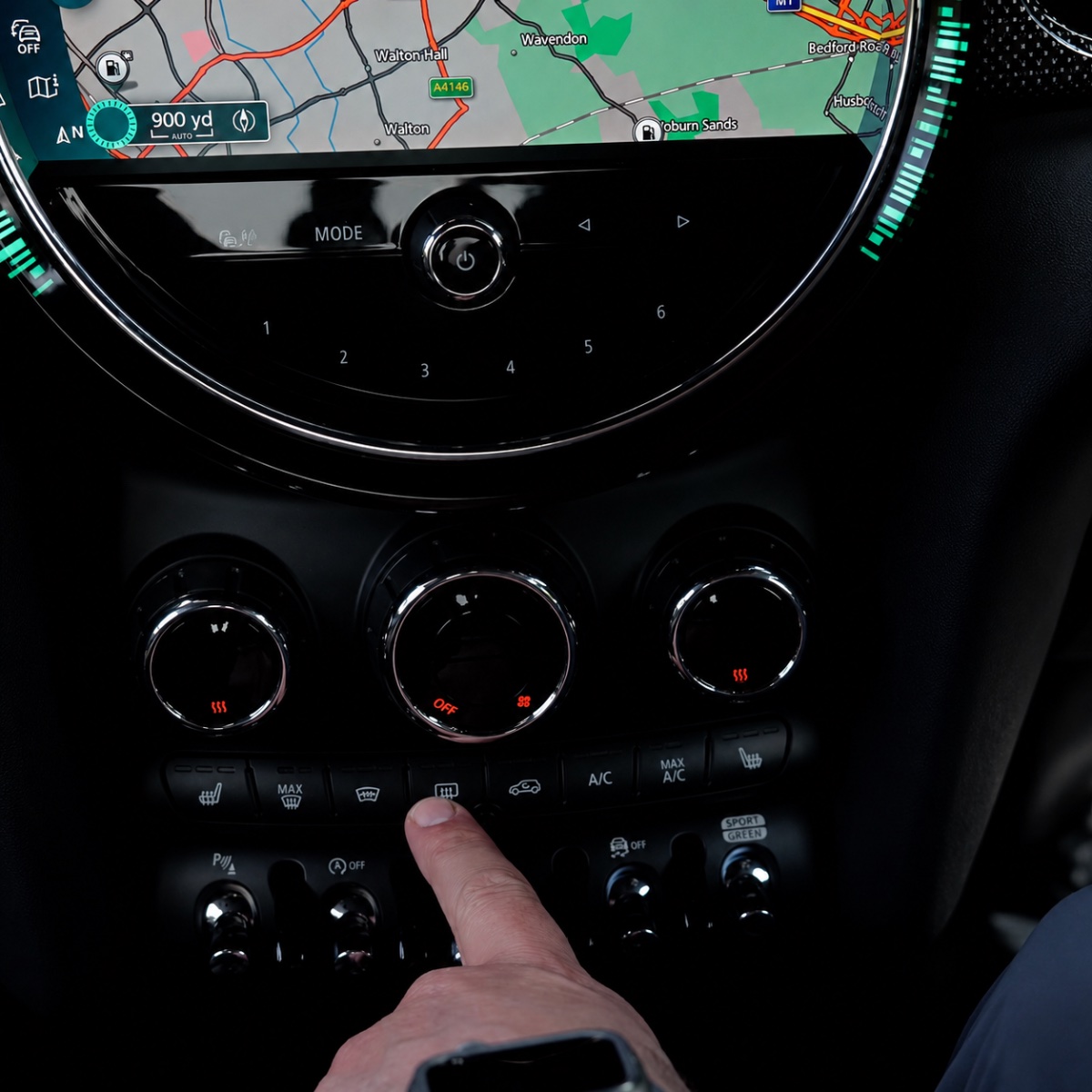
When it's safe to do so, can you show me how you'd set the rear demister?
Press or switch on the rear demister using the correct control. It's designed to clear mist or frost from the rear window to improve visibility.
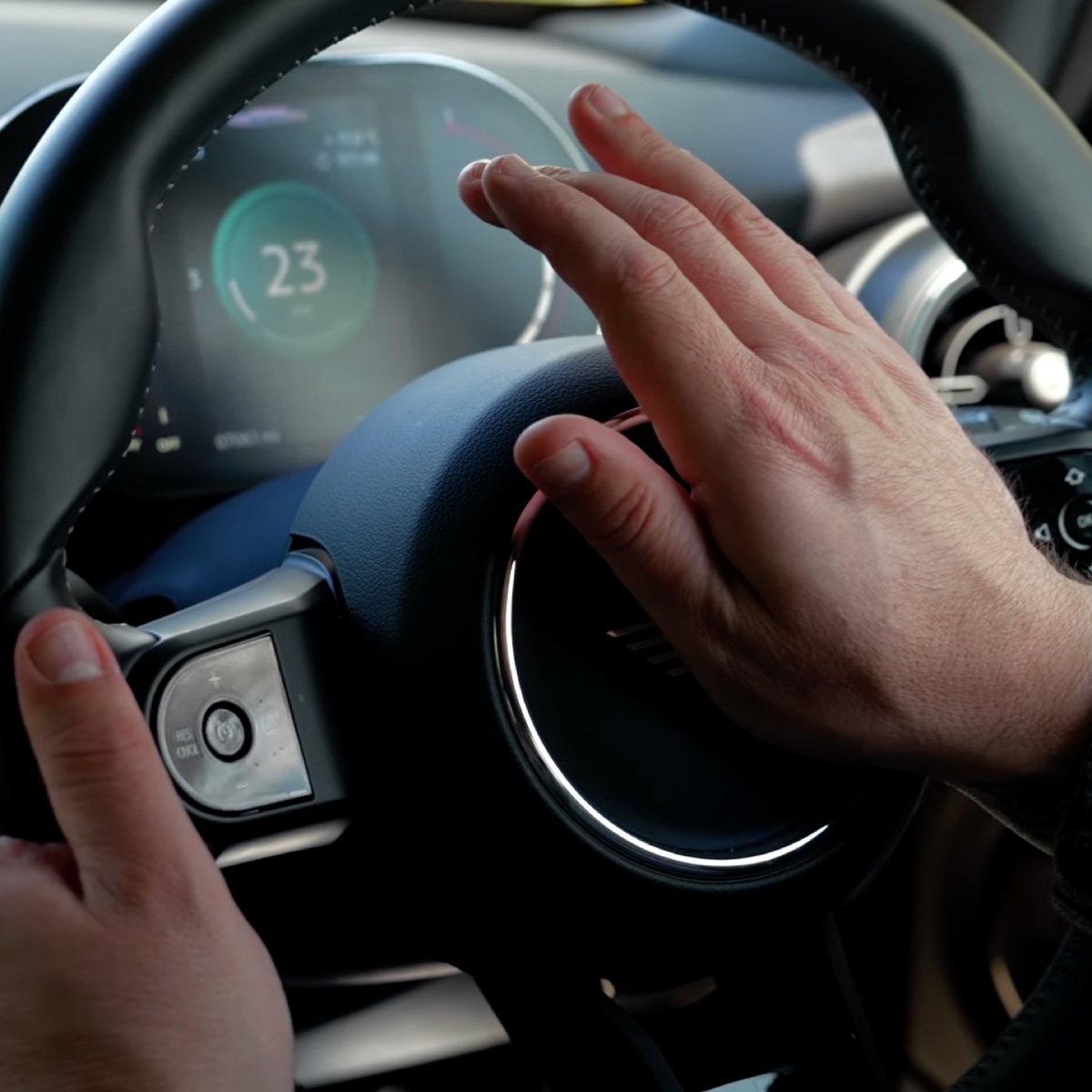
When it's safe to do so, can you show me how you'd operate the horn?
Press the centre of the steering wheel, or wherever the horn is fitted on your vehicle. The examiner will expect you to do this only when it's safe.
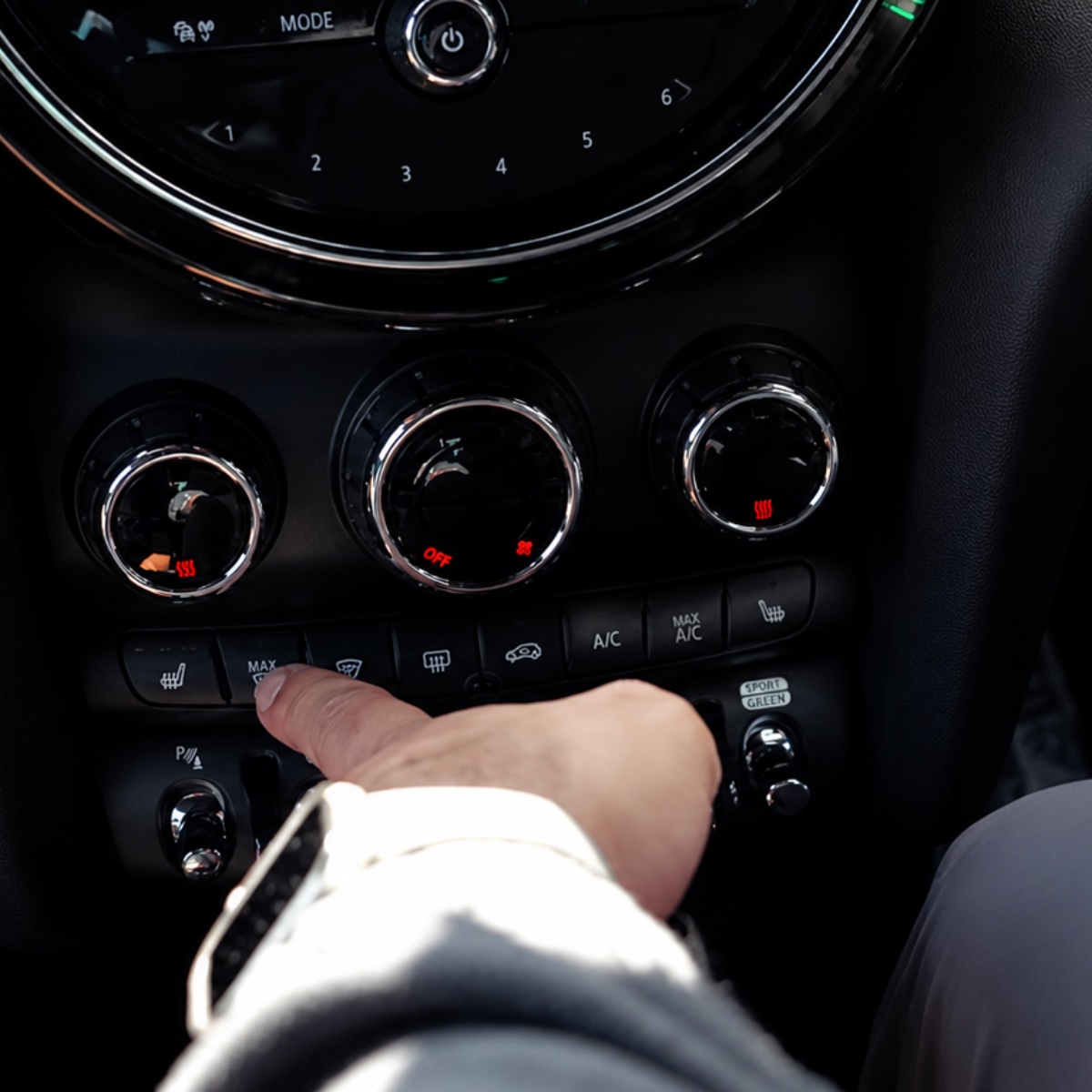
When it's safe to do so, can you show me how you'd demist the front windscreen?
Use the heater and airflow controls to direct warm air onto the windscreen. Some cars also have a quick demist setting that can be used.
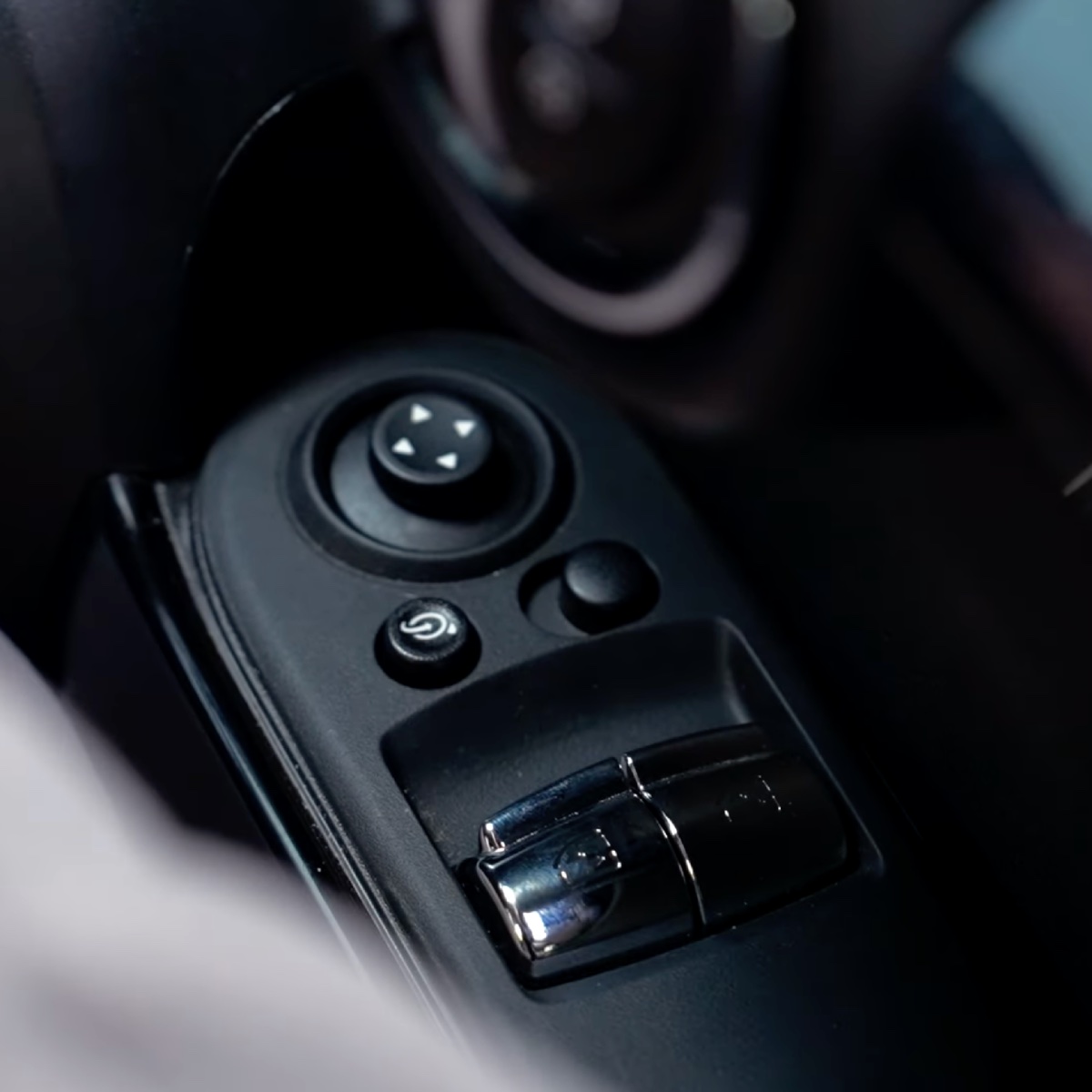
When it's safe to do so, can you show me how you'd open and close the side window?
Use the electric window switch or window handle to open and close the side window. Always make sure it's safe to do so before operating any controls while driving.
Remember that the controls can vary slightly between different makes and models of car, so it's worth becoming familiar with the vehicle you'll be taking your test in before the big day.
Remember that the controls can vary slightly between different makes and models of car, so it's worth becoming familiar with the vehicle you'll be taking your test in before the big day.
The Tell Me Questions and Answers
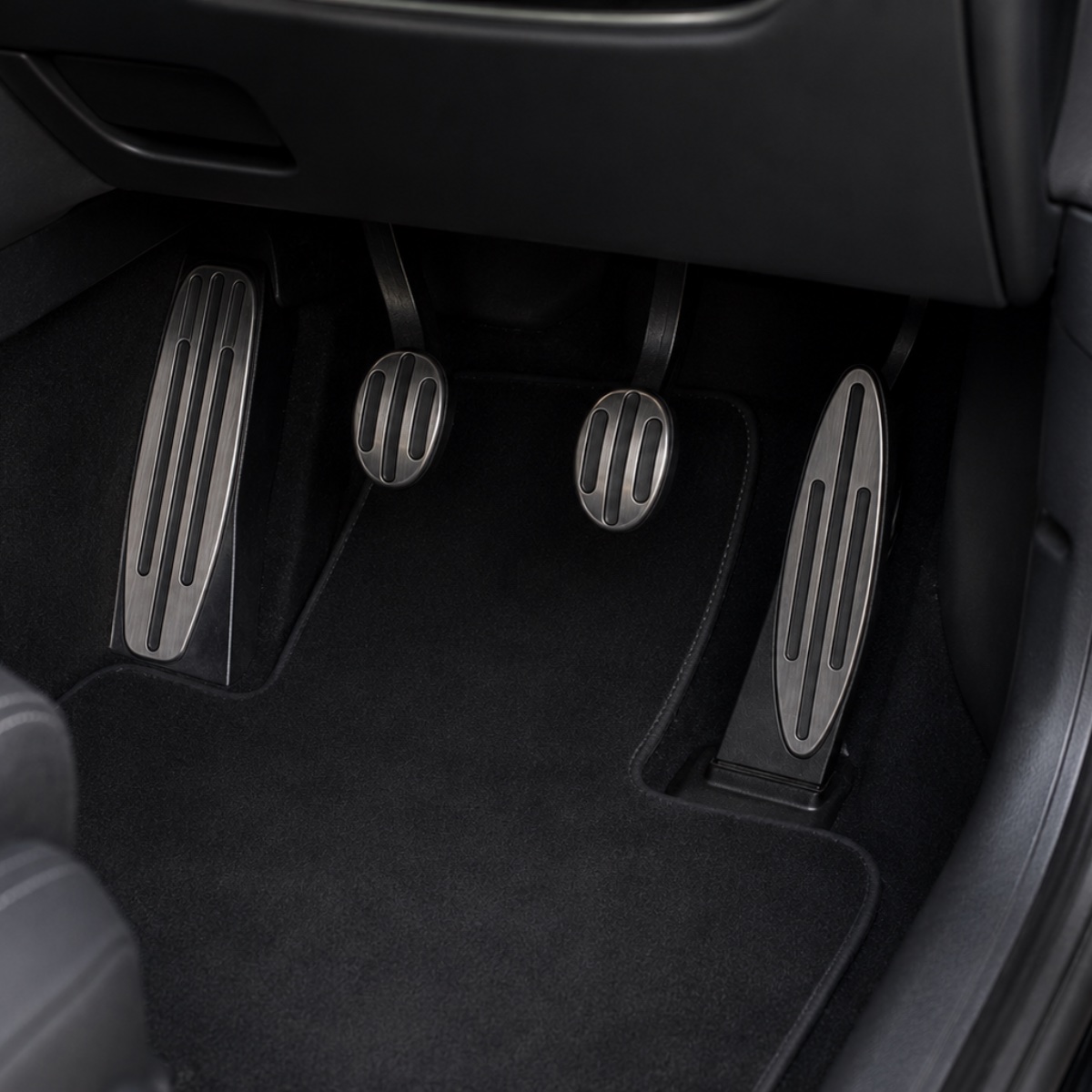
Tell me how you'd check that the brakes are working before starting a journey.
The brakes should not feel spongy or slack. As you move off, they should work effectively and the vehicle shouldn't pull to one side.
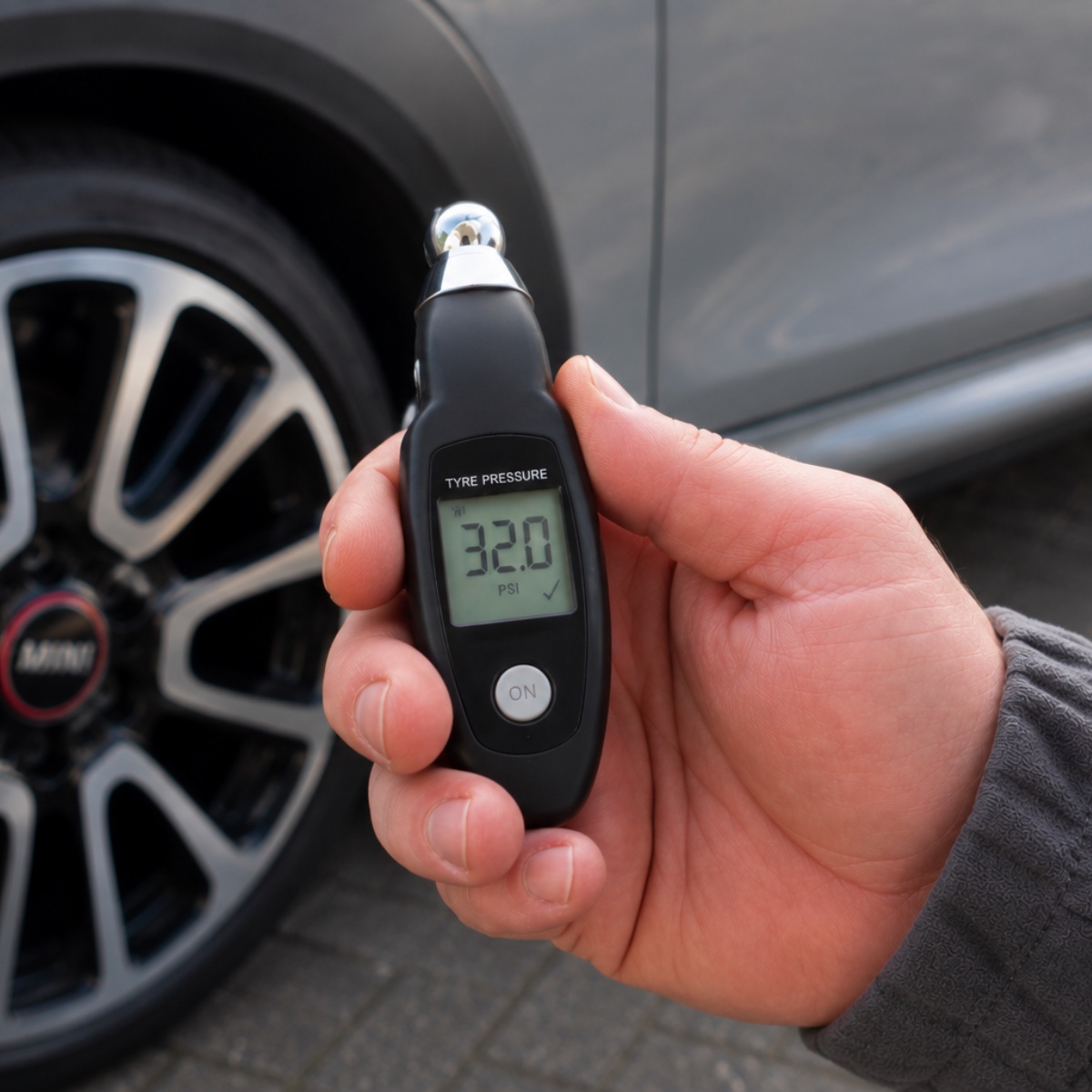
Tell me where you'd find the information for the recommended tyre pressures for this car and how tyre pressures should be checked.
You'll find the recommended tyre pressures in the manufacturer's handbook or information supplied with the vehicle. Check the tyres when they're cold using a reliable pressure gauge, adjust them if needed, don't forget the spare tyre if there is one, and remember to refit the valve caps.
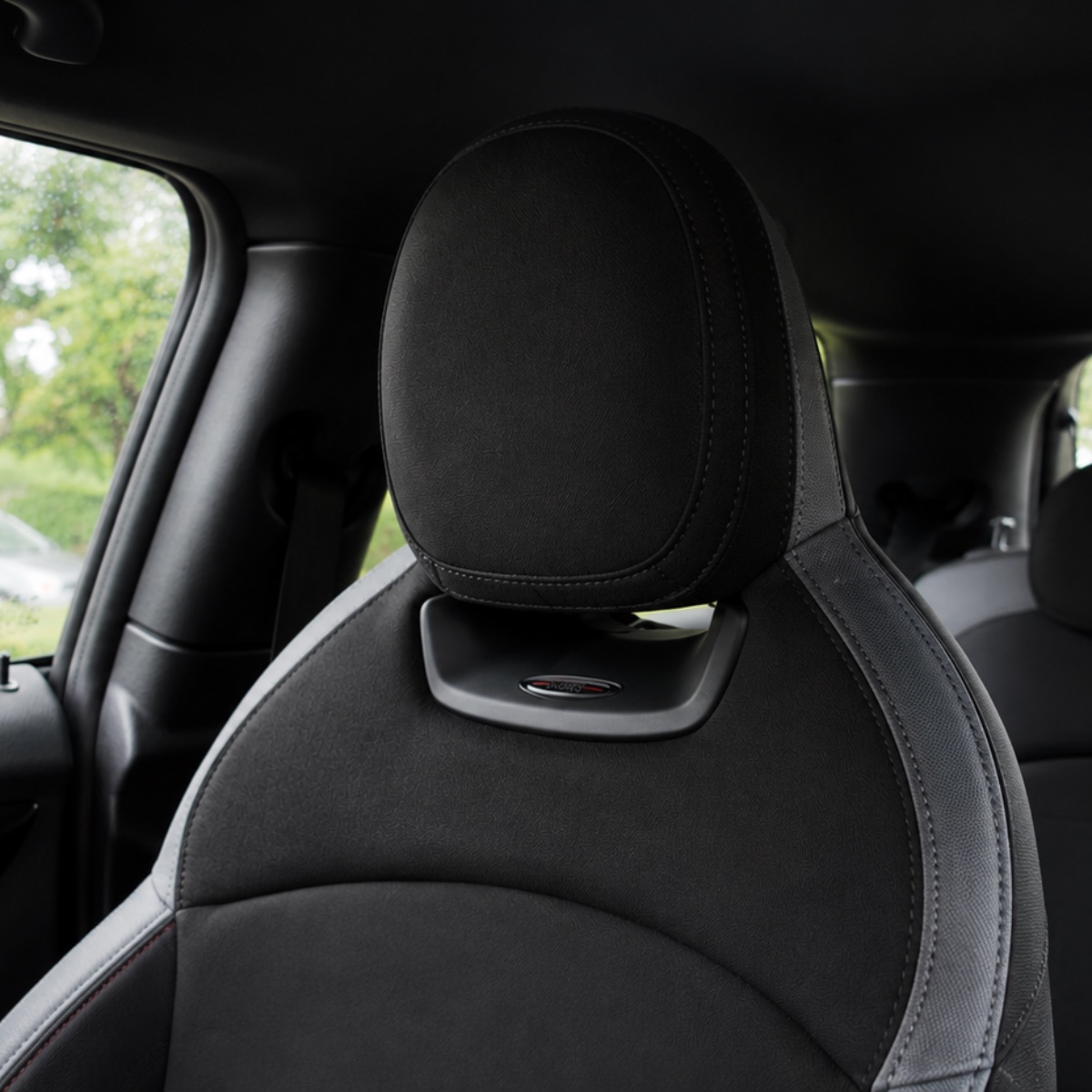
Tell me how you make sure your head restraint is correctly adjusted so it provides the best protection in the event of a crash.
Adjust the head restraint so the rigid part is at least as high as your eyes or the top of your ears, and as close to the back of your head as is comfortable. Some head restraints can't be adjusted.
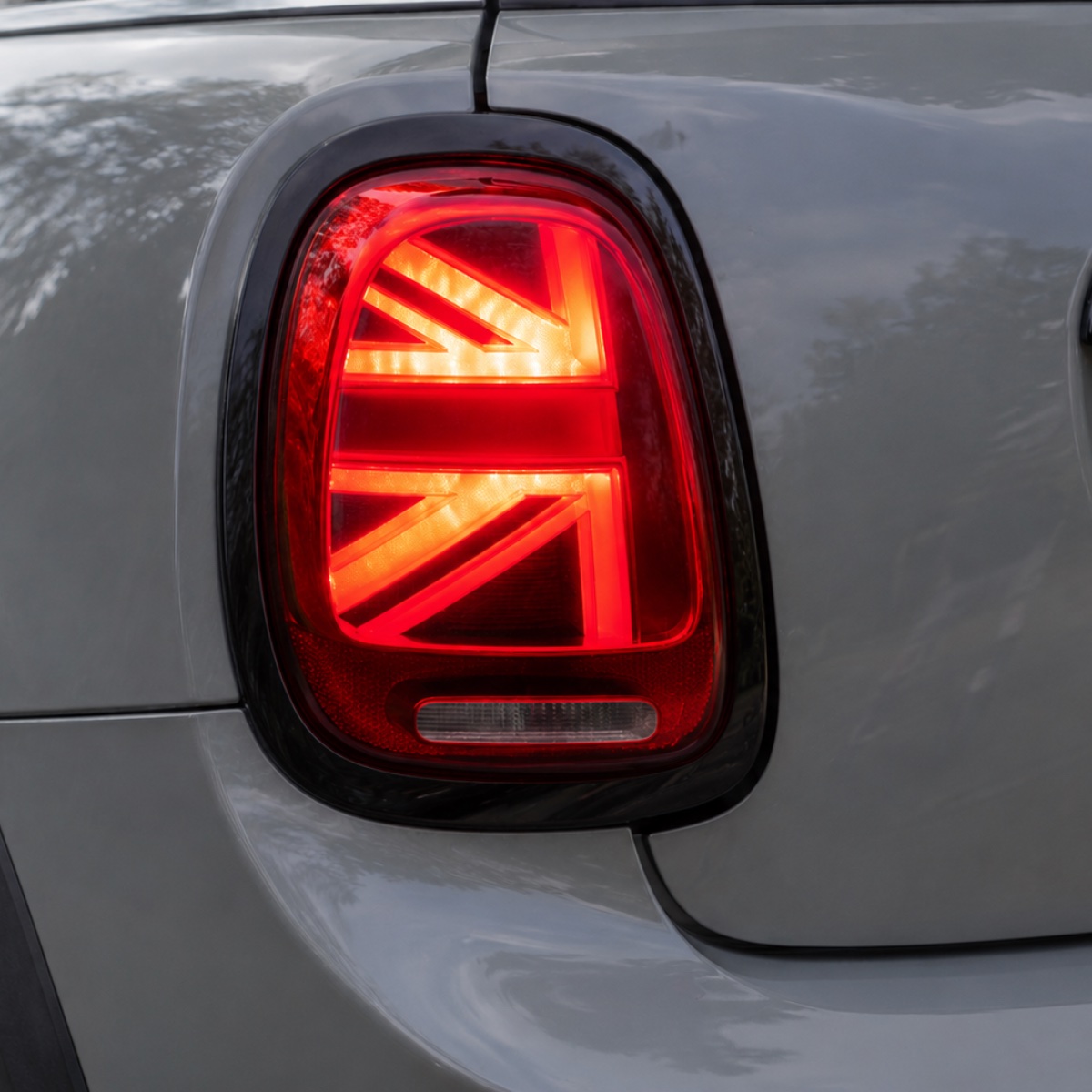
Tell me how you'd check that the headlights and tail lights are working. You don't need to exit the vehicle.
Explain that you'd switch the lights on, turning on the ignition if needed, and then walk around the vehicle to check they're working. As this is a Tell Me question, you only need to explain what you would do.
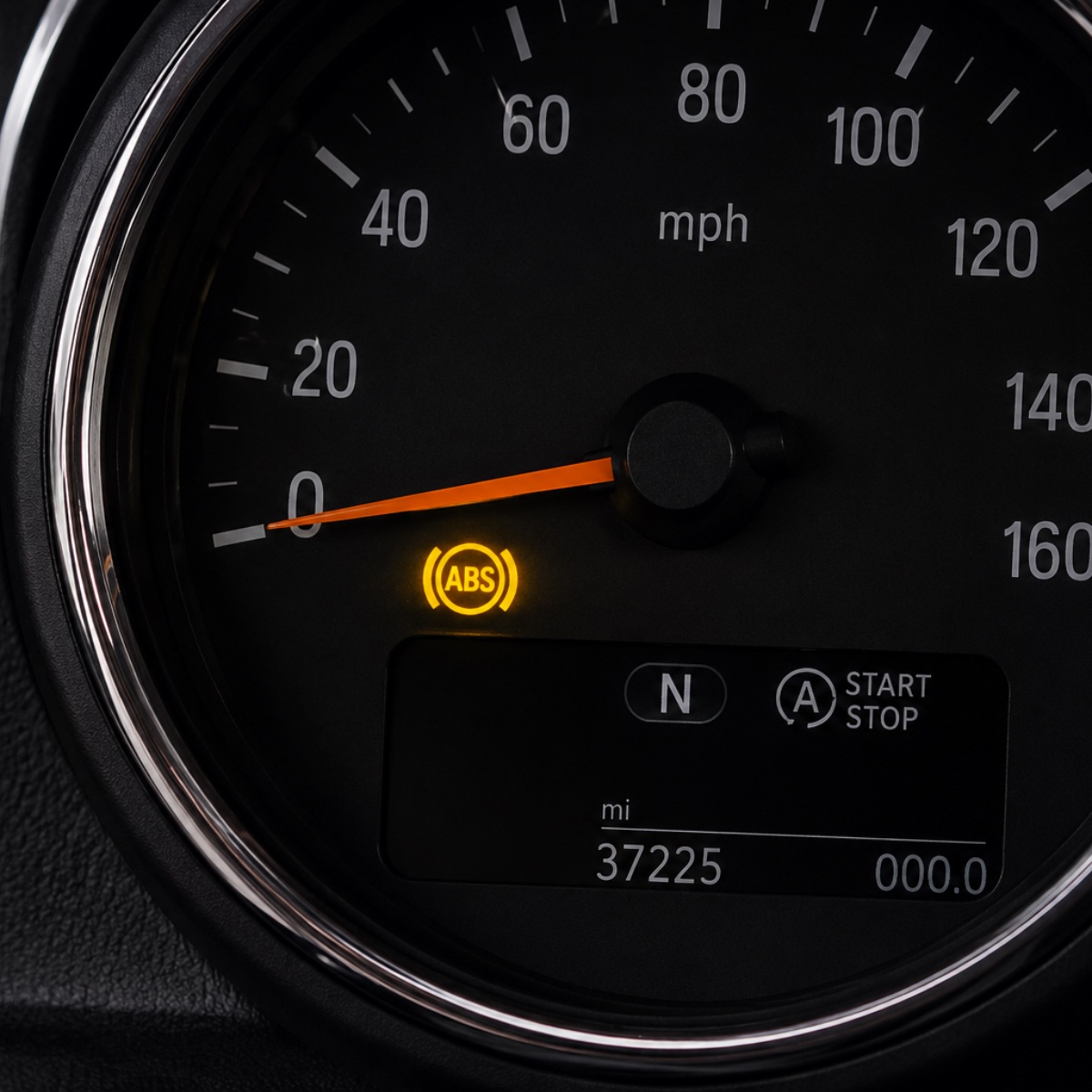
Tell me how you'd know if there was a problem with your anti-lock braking system.
The ABS warning light would stay on or come on while you're driving, indicating there may be a fault with the system.
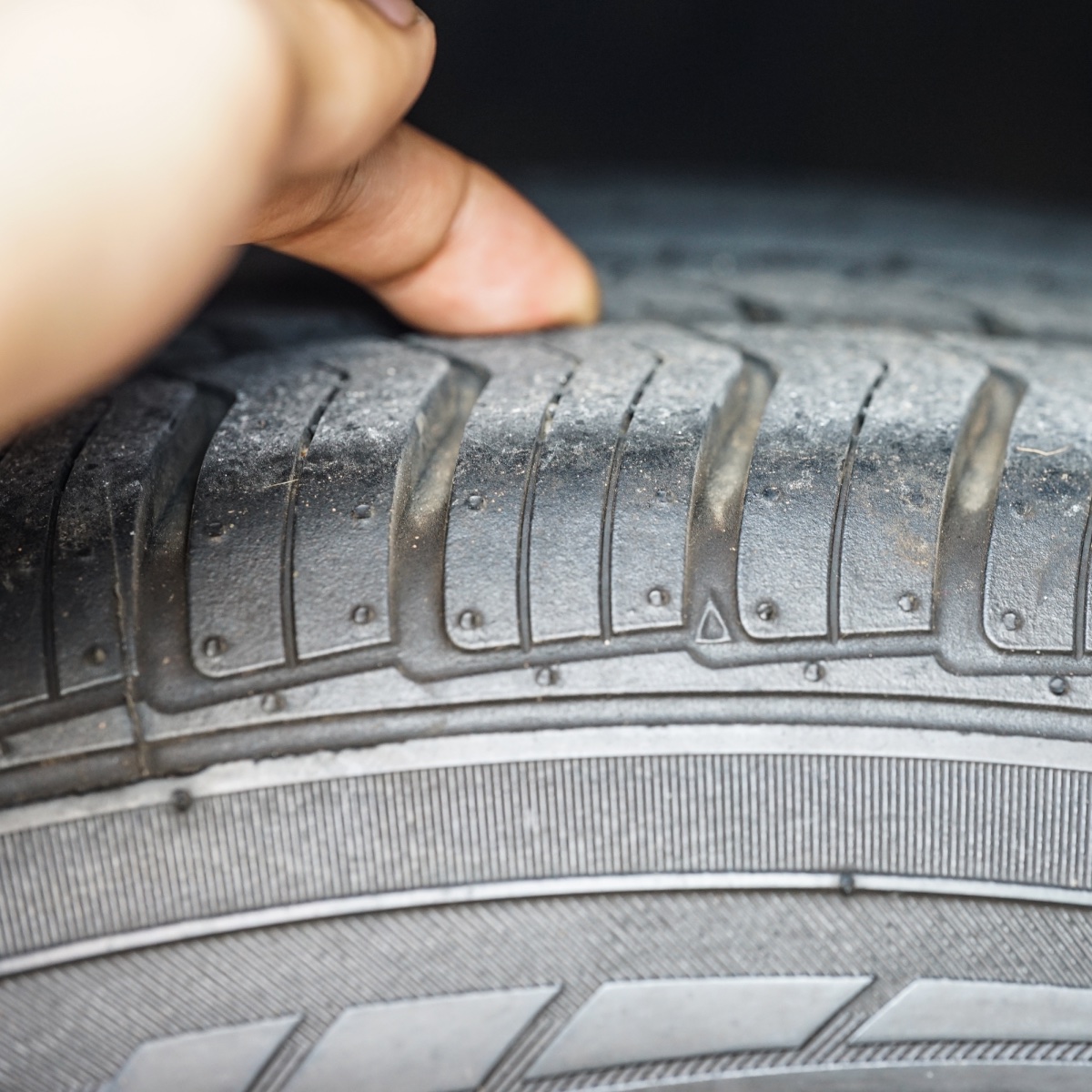
Tell me how you'd check the tyres to ensure that they have sufficient tread depth and that their general condition is safe to use on the road.
Check that there are no cuts or bulges, and that the tyres have at least 1.6mm of tread depth across the central three-quarters of the tyre and around its entire outer circumference.
Tell me how you'd check the direction indicators are working. You don't need to exit the vehicle.
Explain that you'd operate the indicators, turning on the ignition if necessary, and then walk around the vehicle to check they're working. You only need to explain the process during your test.
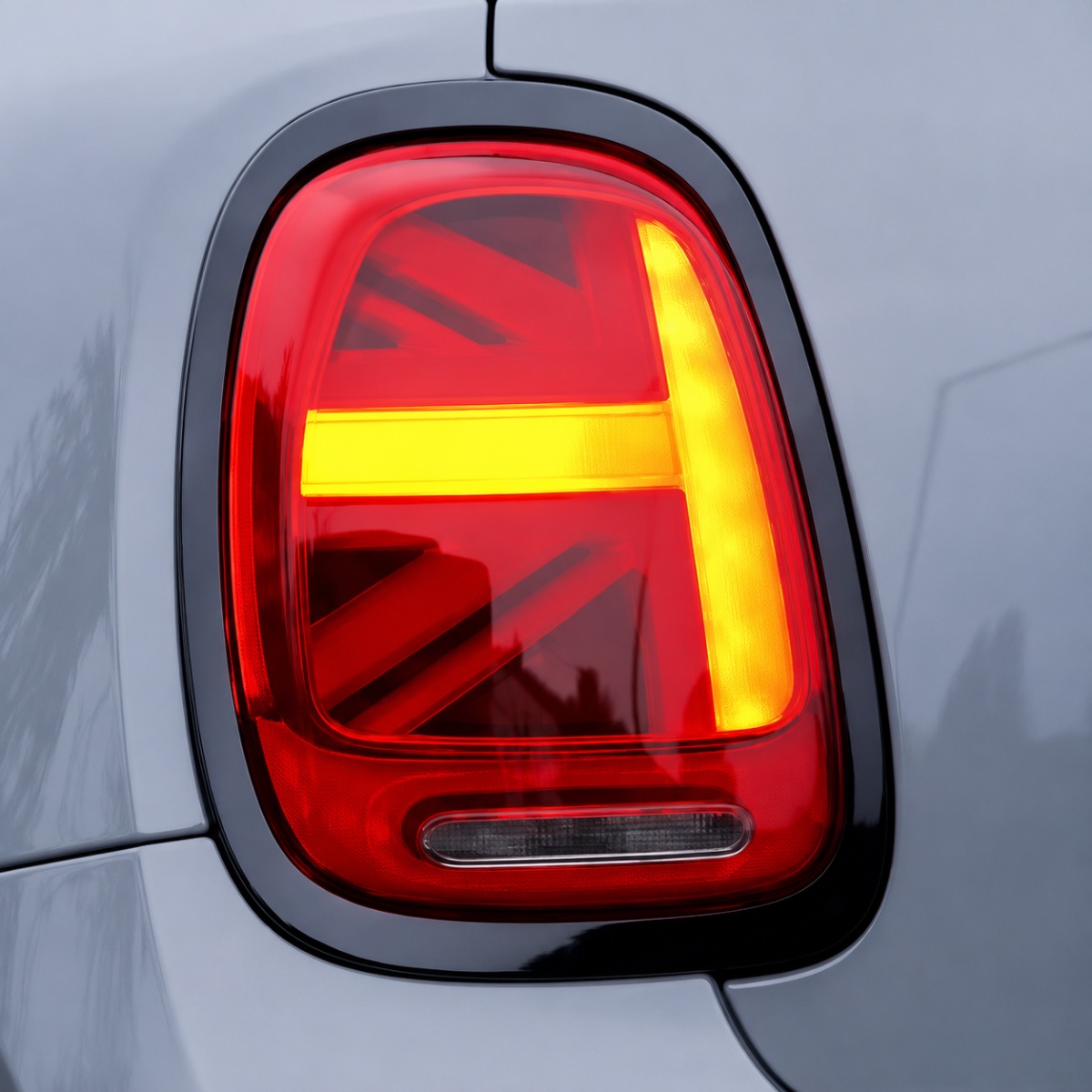
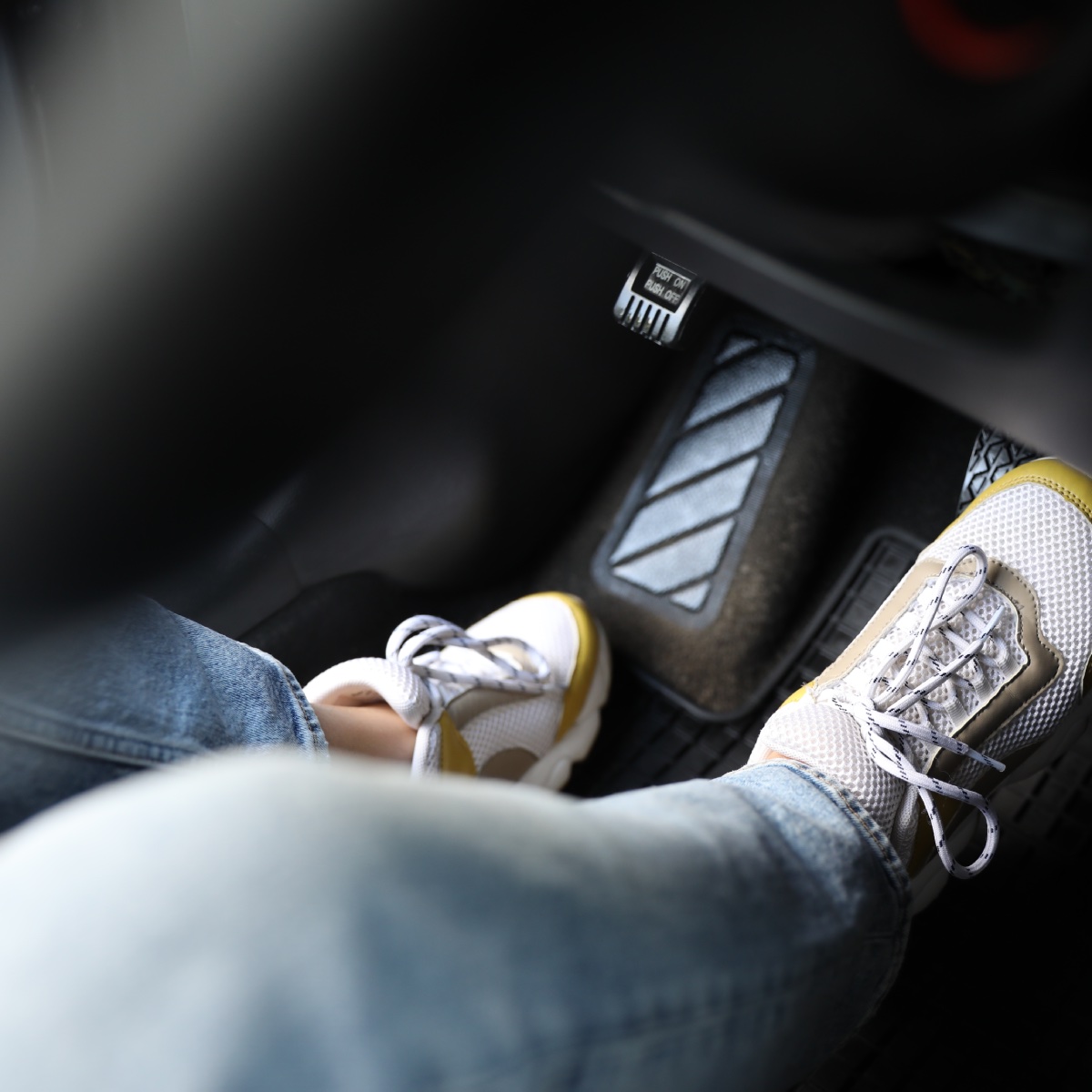
Tell me how you'd check the brake lights are working on this car.
Explain that you'd press the brake pedal and either use reflections in windows or doors to check the lights, or ask someone to help you confirm they're working.
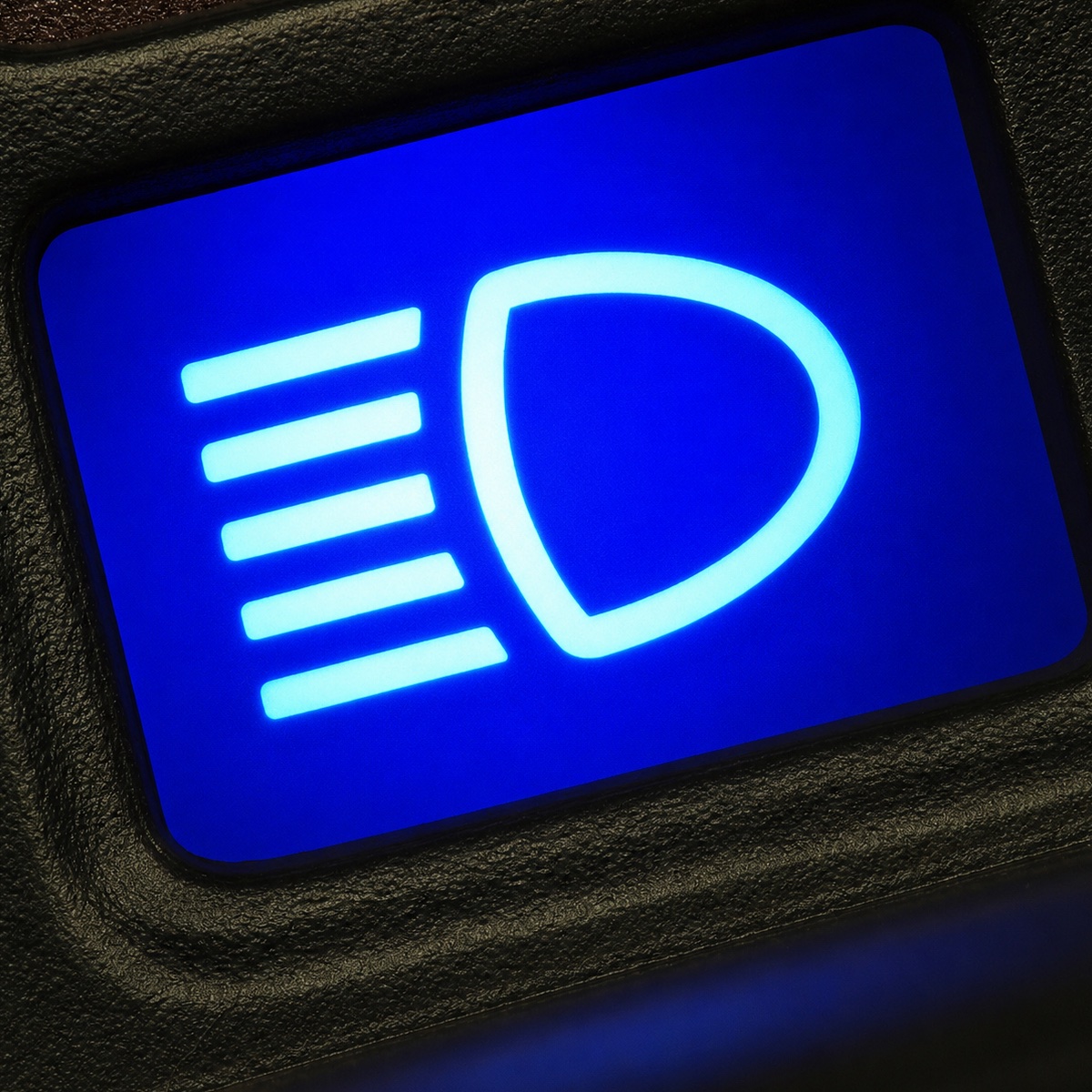
Tell me how you switch your headlight from dipped to main beam and explain how you'd know the main beam is on.
Operate the correct control to switch to main beam, making sure the ignition or engine is on if needed. You'll know it's working because the main beam warning light will appear on the dashboard.
Tell me how you'd check the power-assisted steering is working before starting a journey.
If the steering feels unusually heavy, there may be a problem. Before setting off, gentle pressure on the steering wheel while starting the engine should produce a slight movement, or you'll notice the steering feels lighter once the car begins moving.
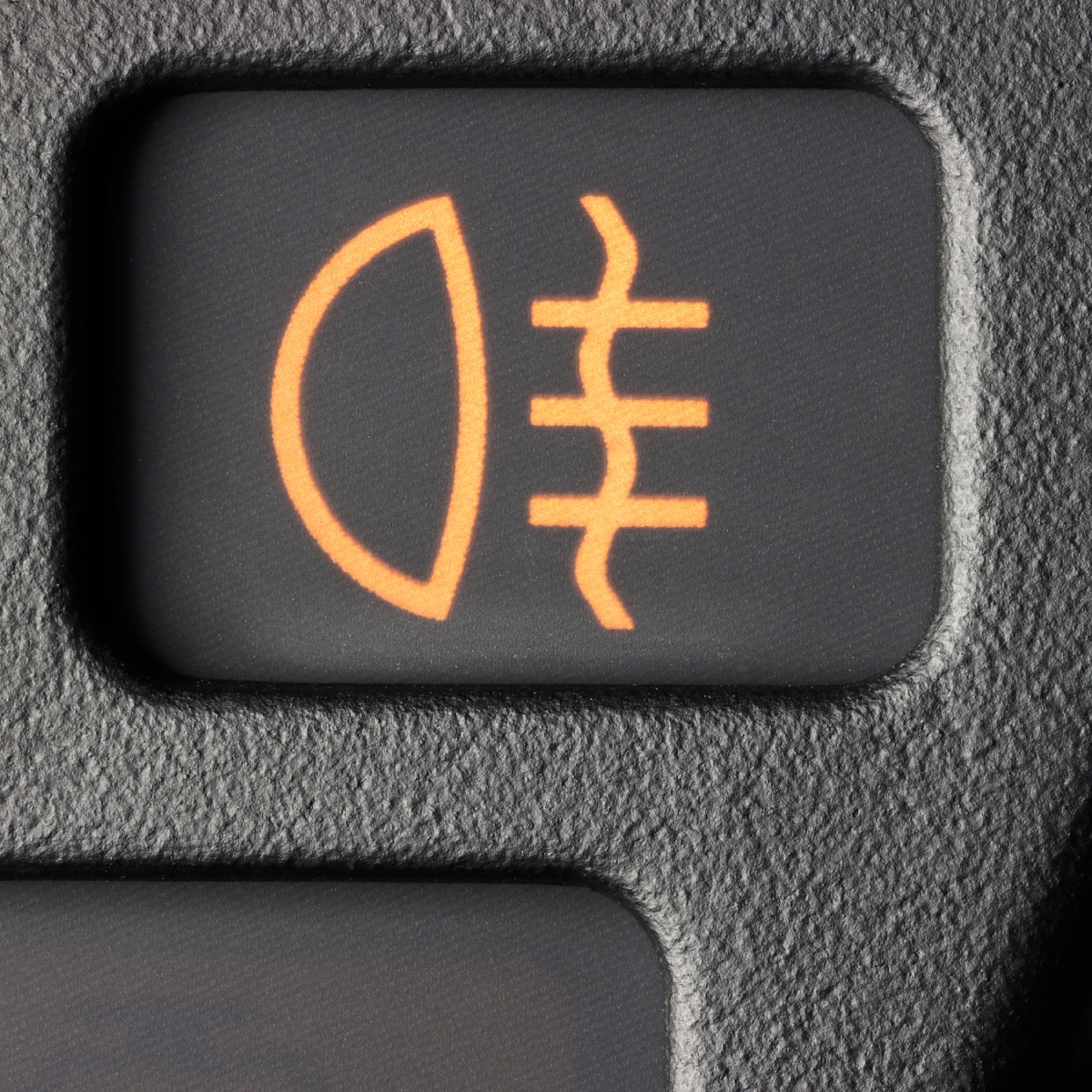
Tell me how you'd switch on the rear fog light(s) and explain when you'd use it/them. You don't need to exit the vehicle.
Turn on the dipped headlights and ignition if necessary, then switch on the rear fog lights and check the warning light appears. They should only be used when visibility is seriously reduced, usually to around 100 metres or less.
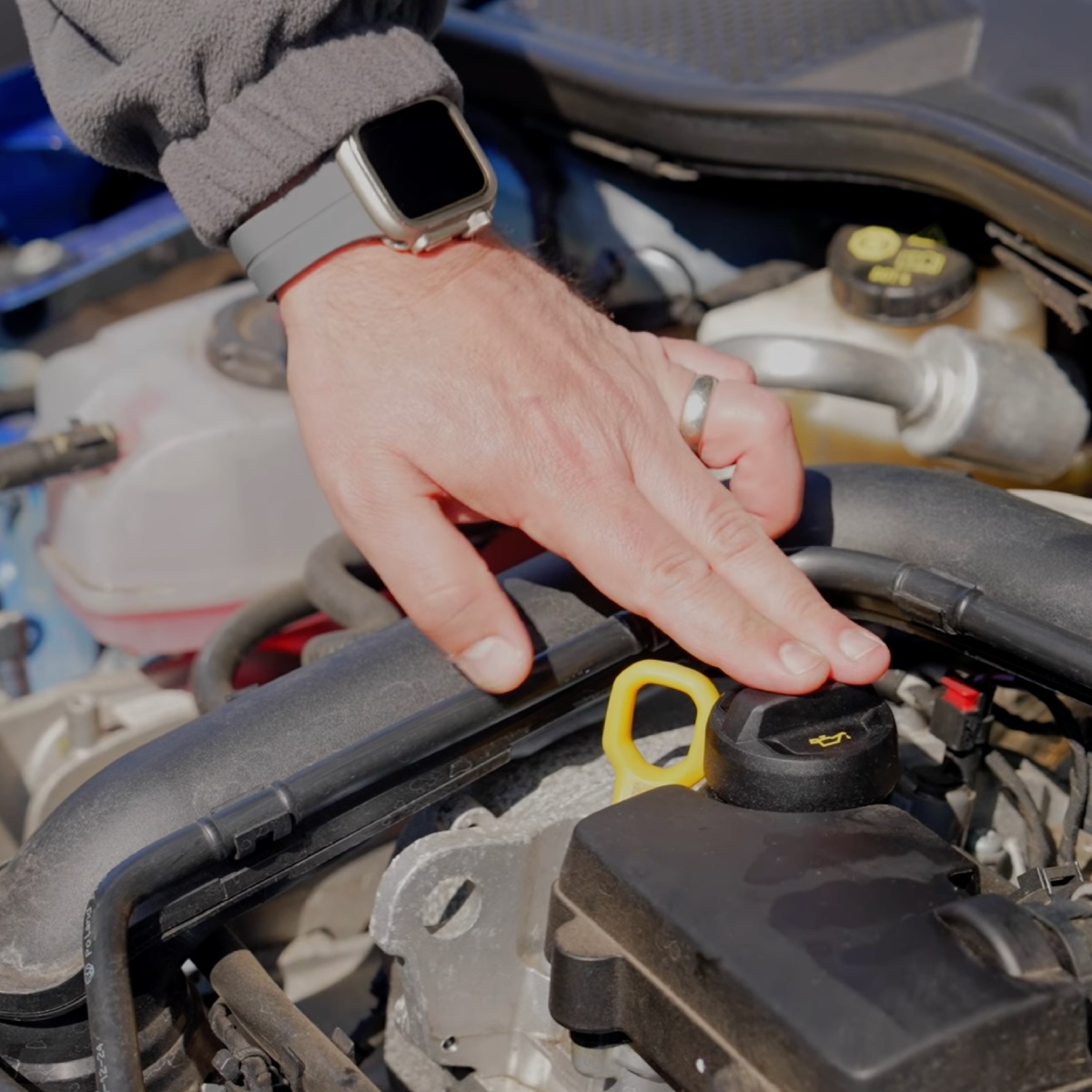
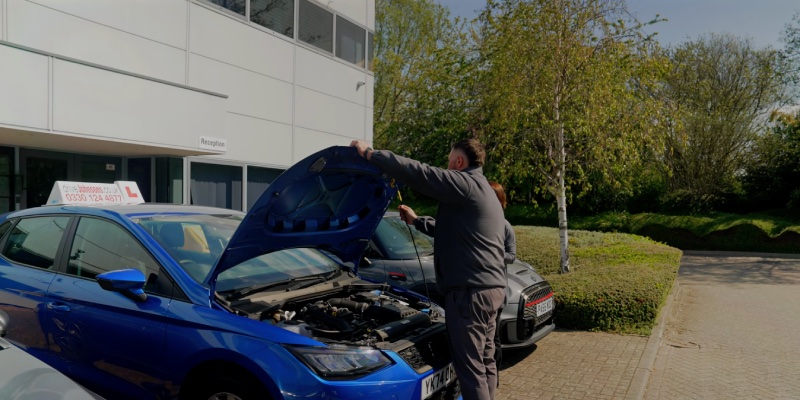
Open the bonnet and tell me how you'd check that the engine has sufficient oil.
Identify the dipstick or electronic oil level indicator and explain that you'd check the oil is between the minimum and maximum marks before topping it up if needed.
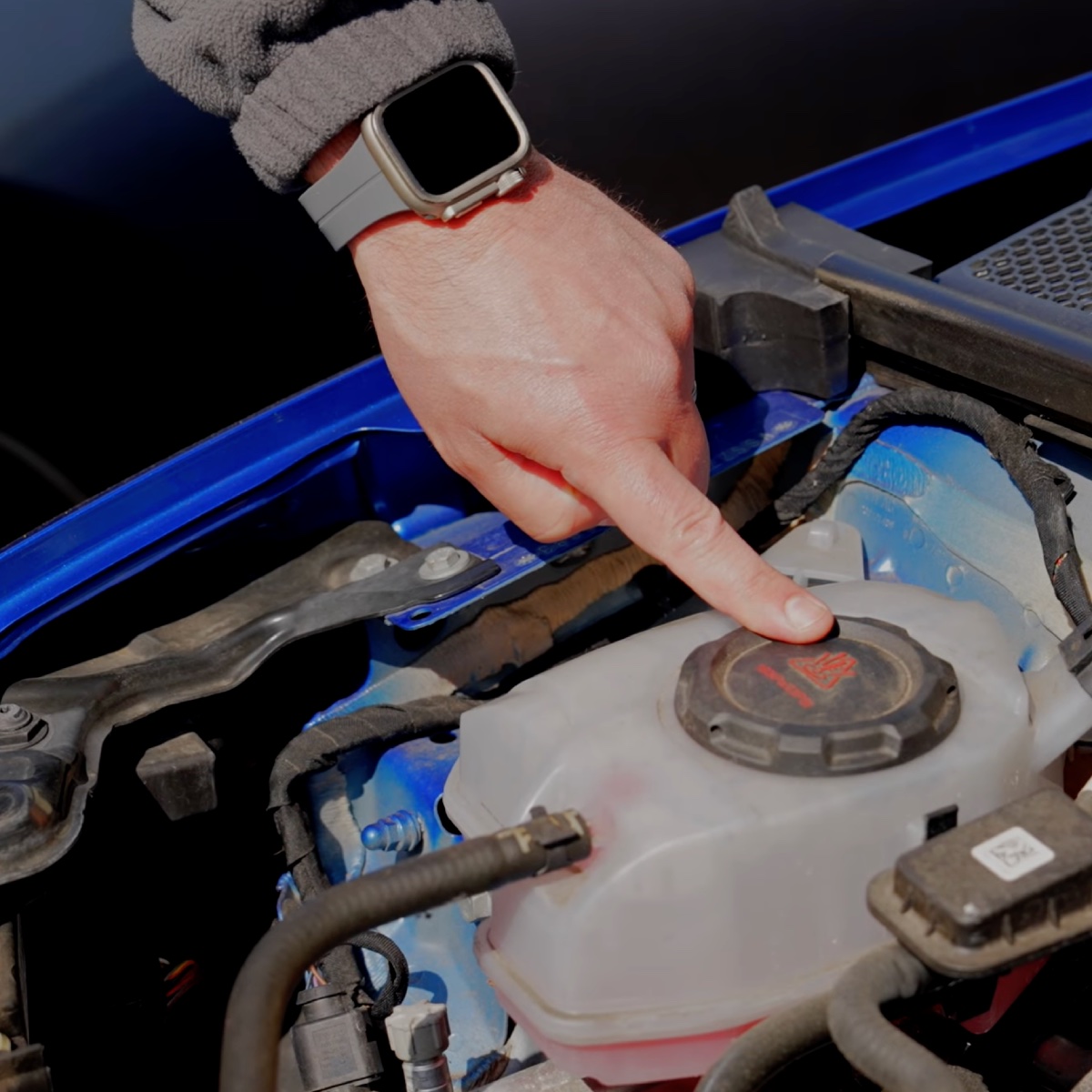
Open the bonnet and tell me how you'd check that the engine has sufficient engine coolant.
Identify the coolant reservoir and check that the level is between the minimum and maximum markings. If it's low, it should be topped up with the correct coolant.
Open the bonnet and tell me how you'd check that you have a safe level of hydraulic brake fluid.
Identify the brake fluid reservoir and check that the fluid level is between the minimum and maximum markings.
Remember, you don't need to know the answers word for word. Practising the Tell Me questions during your driving lessons and understanding what each safety check means, rather than simply memorising the answers, can make them much easier to remember on test day. As long as you can explain the safety checks clearly, you'll be well prepared for this part of your driving test.
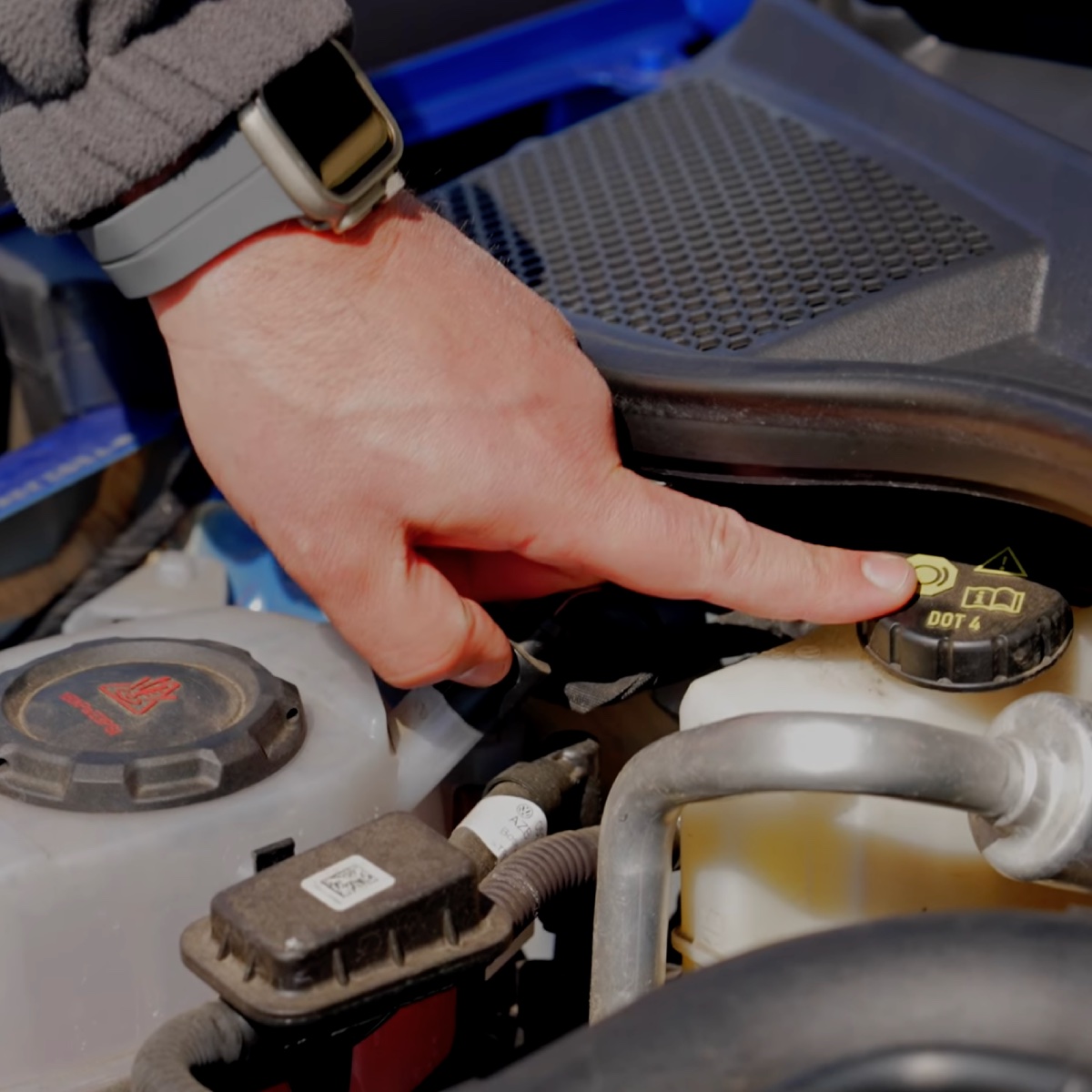
Remember, you don't need to know the answers word for word. It's worth practising the Tell Me questions throughout your driving lessons so you understand what each safety check means, rather than simply memorising the answers. As long as you can explain them clearly, you'll be well prepared for this part of your driving test.
Free Downloadable Show Me, Tell Me Questions PDF
Want to Keep a Copy for Later?
If you'd like to revise the Show Me, Tell Me questions before your driving test, you can download our free PDF and save it to your phone or print it out.
Download 'Show Me, Tell Me' Questions Click here to download and print the 'Show Me, Tell Me' questions.Common Mistakes for Show Me Questions
Most mistakes on the Show Me questions happen because learners are unfamiliar with the car they're driving or haven't had much practice using the car's controls while the vehicle is moving. The key is to stay calm, keep your eyes on the road as much as possible, and only operate the control when it's safe to do so. The more familiar you are with where the controls are, the less you'll need to look away from the road while using them.
Wash and Clean the Front or Rear Windscreen
It's easy to confuse the front and rear windscreen controls, especially if you're unfamiliar with the car you're driving. On a dry day, using the front windscreen washer can also briefly smear the glass before it clears, so don't let this distract you. Once you've operated the correct control, keep your focus on the road and switch the wipers off when it's safe to do so.
If you're taking your test in rain, fog or icy conditions, it's worth understanding how your windscreen wipers and demisters work beforehand. If you get the opportunity, practising driving in different weather conditions can also be beneficial, as you'll become more familiar with using your windscreen wipers, washers and demisters safely.
Switch On Your Dipped Headlights
Be careful not to switch on the fog lights instead of the dipped headlights, as they should only be used when visibility is seriously reduced. Also, avoid leaning too far to reach the controls, as you should remain in full control of the steering at all times.
Set the Rear Demister
The rear demister button is often mistaken for the front demister. If you select the wrong one, it may not clear the window you intended and could even cause the front windscreen to mist up in certain conditions.
Operate the Horn
Although this is one of the simpler Show Me questions, only use the horn when it's safe to do so. The examiner will normally ask this question in a suitable location, but if the situation changes, always put safety first.
Demist the Front Windscreen
If your windows begin to mist up, you should use the front demister without waiting for the examiner to tell you. On cold or wet days, using the demister with the air conditioning from the start of your test can help prevent the windscreen from misting up.
Open and Close the Side Window
Take care to operate the correct window, especially if you're unfamiliar with the controls. The window only needs to be opened briefly before being closed again, so there's no need to lower it fully.
Top Tips for All the Show Me Questions
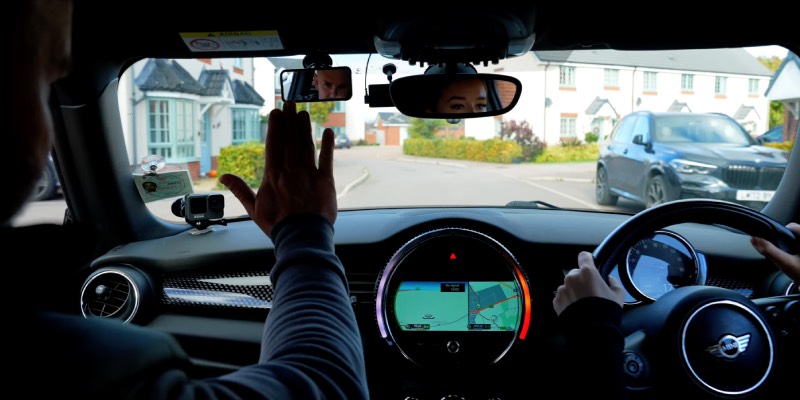
Never try to answer a Show Me question while you're dealing with a difficult driving situation. For example, don't try to demonstrate it while you're on a roundabout, changing lanes, overtaking, or dealing with another road user.
The examiner will usually ask the question when it's safe to do so and when you have enough time to respond. However, the situation on the road can change quickly. A car may slow down suddenly, someone may pull out, or you may need to react to what's happening around you. If this happens, always deal with the driving situation first. Once it's safe again, you can complete the demonstration.
Most faults that happen around the Show Me question are linked to steering, road position, or becoming distracted while using the controls. If you practise the Show Me questions regularly during your lessons, using the controls should feel much more natural by the time you take your test.
One of our driving instructors in Northampton, Magdalena Milakova, gives some great advice on this:
"I always tell my pupils to wait for the right moment to answer the Show Me question. I've been in tests where another road user has turned up just as a pupil is about to demonstrate an answer. If they wait until that car has passed or it's clear what the car is doing, the demo tends to go well; otherwise, it's easy to get distracted by what else is happening on the road, or worse, do something dangerous. Take a moment to think it through before you do it."
Common Mistakes for Tell Me Questions
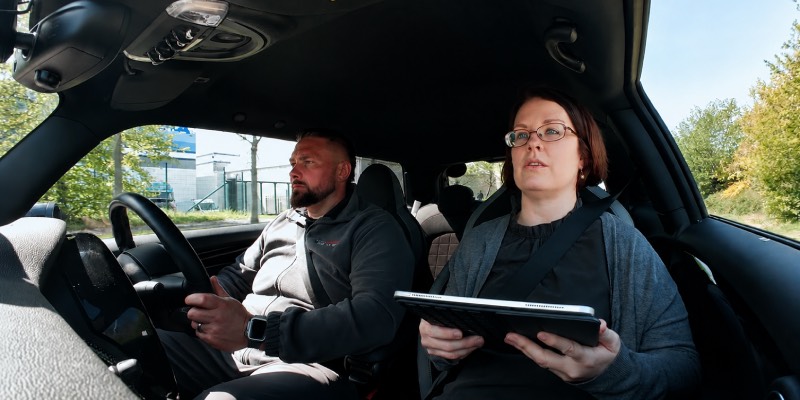
Getting the Tell Me questions right isn't just about knowing the answers. It's also about explaining them clearly and understanding what the examiner is asking. Here are some of the most common mistakes learners make.
Answers Are Too Vague
The examiner wants to know how you would carry out the check, not just that you would do it. For example, if you're asked about tyre tread depth, don't just say, "I'd check the tyres." Explain what you'd actually be looking for, including a minimum tread depth of 1.6mm across the central three-quarters of the tyre and around its entire outer circumference, as well as checking for cuts or bulges.
Answers Are Too Complicated
Some learners go to the opposite end of the scale and give answers that are far more detailed than they need to be. The examiner is looking for a clear, straightforward answer. You won't get any extra points for giving more information, so keep it simple and stick to the important details.
Mixing Up the Answers
Confusing tyre tread with tyre condition, or brake lights with headlights, can easily happen when you're feeling nervous. Practice really does make perfect, but rather than just memorising the answers, take the time to understand what each safety check involves and why it's important. You'll find it much easier to remember the correct answer if it makes sense to you.
If you're finding yourself mixing up the Tell Me questions, these simple revision tips can help:
- Understand what each safety check involves rather than memorising the answers word for word.
- Learn similar questions together, such as tyres, lights and under-the-bonnet checks.
- Ask your driving instructor to test you at random during your lessons.
- Listen carefully to the full question before answering.
- Revise little and often instead of trying to learn all the questions in one go.
- If you're unsure why an answer is correct, ask your instructor to explain it. Understanding the safety check will make it much easier to remember.
Top Tips for All the Tell Me Questions
The more you practise the Tell Me questions, the easier they'll become. Rather than trying to memorise all 14 answers the night before your test, spend a few minutes going over them regularly during your driving lessons, then spend a few minutes revising them in your own time. You'll soon find that they become second nature.
It's also worth taking the time to understand what each safety check actually means, rather than just learning the words. If you know why you're giving an answer, you'll be much more likely to remember it if your mind goes blank on the day.
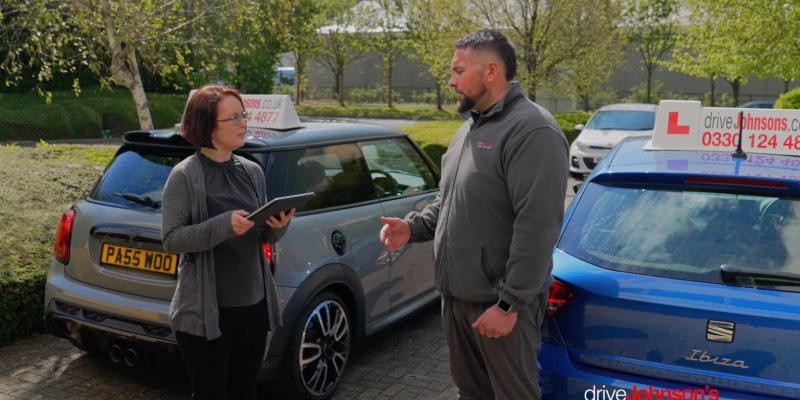
When the examiner asks you a Tell Me question, don't feel like you have to answer straight away. It's perfectly fine to take a second to collect your thoughts before answering. If you're still unsure about any of the questions, ask your instructor to run through them with you before your test to keep everything fresh in your mind.
Getting a Tell Me question wrong won't automatically mean you've failed your driving test. In most cases, you'll simply receive a driver fault on your driving test marking sheet, so stay calm, answer as clearly as you can, and remember that your driving is still the most important part of the test.
Frequently Asked Questions
If you've still got a few questions about the Show Me, Tell Me questions, we've answered some of the ones we're asked most often below.
You'll be asked one Show Me question and one Tell Me question during your practical driving test, so two questions in total. The Tell Me question is asked before you set off, while the Show Me question is asked during the drive when it's safe to do so.
The DVSA doesn't publish statistics showing which Show Me or Tell Me questions are asked most often. The examiner can choose from any of the 7 Show Me questions and 14 Tell Me questions, so it's worth learning them all rather than trying to guess which ones will come up on your test.
Getting one or both Show Me, Tell Me questions wrong won't automatically mean you've failed your driving test. If you answer one or both questions incorrectly, you'll normally receive just one driver fault.
The exception is the Show Me question, as you'll be answering it while you're driving. If demonstrating the control affects your driving, causes you to lose control of the vehicle, or puts yourself or other road users in danger, the examiner may award a serious fault, which would result in you failing your test.
The best advice is to stay calm and remember that driving safely always comes before answering the Show Me question. If the situation changes around you, deal with the road first and complete the demonstration when it's safe to do so.
No. The examiner isn't expecting you to repeat the answers word for word. They simply want to know that you understand the basic safety checks and can explain them clearly. As long as your answer includes the correct information, it doesn't need to be exactly the same as the official wording.
Final Thoughts on the Show Me, Tell Me Questions
Remember that the Show Me, Tell Me questions haven't been designed to catch you out; they're there to give you the knowledge you'll use throughout your driving journey. By practising the questions regularly and understanding the safety checks behind them, you'll be much better prepared for your driving test and feel more confident using your car safely afterwards.
Your instructor plays a key part in helping you prepare for these questions, turning what you've learnt into practical experience during your driving lessons. At driveJohnson's, we have friendly instructors across the UK, so whether you're looking for driving instructors in Oxford, Edinburgh, or anywhere in between, we're here to help you feel well prepared, both for your test and in your future driving journey.
Good luck on your test!

Grade A - 51/51
ORDIT Registered Trainer