Many drivers don’t realise what aquaplaning feels like until it happens. It can catch you off guard, especially in wet weather when the roads look manageable but are more unpredictable than they seem.
If you’ve never experienced it, it can feel unsettling. One moment the car feels normal, and the next the steering can suddenly feel light, the tyres lose their grip on the road, and it may feel like the car is gliding or floating rather than driving.
For many learners, it’s one of the more worrying situations to think about, but understanding it properly makes it far less intimidating. In this guide, we’ll explain what aquaplaning means, what causes it, how to recognise when it’s happening, and most importantly, what to do if it happens to you.
- Aquaplaning meaning
- What can cause aquaplaning?
- How to tell if your vehicle is aquaplaning
- What to do if you aquaplane
- How to avoid aquaplaning
- Other tips on how to control aquaplaning
Aquaplaning meaning
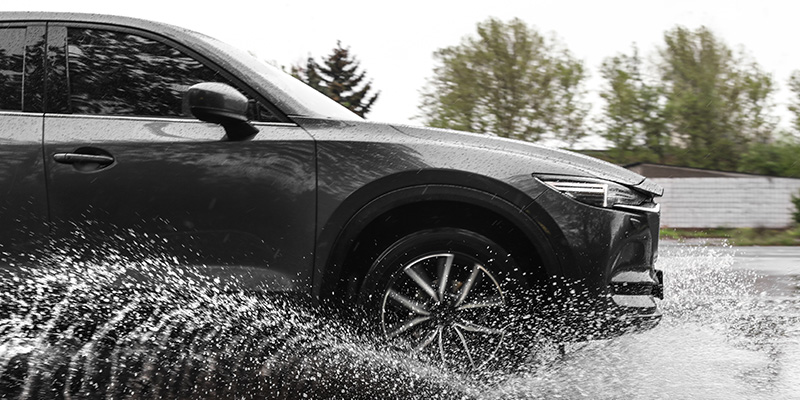
Aquaplaning occurs when a thin layer of water builds up between your tyres and the road surface.
When this happens, your vehicle is effectively travelling on top of the water rather than gripping the road, which reduces your ability to steer, brake, or accelerate safely.
This is an important idea for any driver to understand, as it can happen unexpectedly in wet conditions. That’s why all of our driving instructors in Luton, Liverpool and across the UK ensure their learners understand what aquaplaning is so they can stay safe on the road, whatever the weather.
What can cause aquaplaning?
Aquaplaning occurs when your tyres can’t clear water from the road quickly enough, causing a loss of contact with the road.
The most common causes of aquaplaning include:
- Driving through standing water or large puddles
- Travelling at higher speeds in wet weather
- Worn tyres with low tread depth
- Incorrect tyre pressure
- Sudden acceleration or braking on wet roads
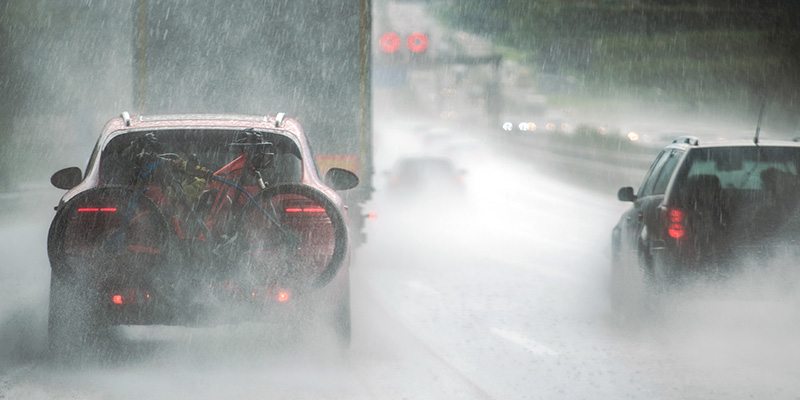
The faster you’re driving, the more likely aquaplaning becomes. This is why aquaplaning can often happen on motorways when you are driving in heavy rain.
How to tell if your vehicle is aquaplaning
You can tell your vehicle is aquaplaning when it suddenly feels less stable and less responsive in wet conditions.
You may notice the following:
- Your steering may become lighter or less responsive.
- It can feel like you are gliding or coasting.
- You may feel like the back end of your car is drifting, especially in a lighter rear-wheel drive sports car.
- Engine revs increase without an increase in speed, and your engine may sound louder.
- Braking does not slow the car as expected.
This change in how the car feels is often the first warning sign. Many of our learners notice it during driving lessons in Sheffield, Birmingham, and other places during wet road conditions.
What to do if you aquaplane
If you aquaplane, you should stay calm and avoid making sudden movements.
If you have cruise control on, then switch it off and follow these steps:
- Gently ease off the accelerator.
- Keep the steering wheel steady and straight.
- Apply the brake very gently and avoid braking suddenly.
- Allow the tyres to recover contact with the road.
If you feel like your car is losing control, it can be quite frightening, but if you follow these steps, the car will usually regain grip quickly. As the grip on the tyres returns, you will feel the steering become more responsive again. The key is to let the car settle rather than trying to correct it too quickly.
How to avoid aquaplaning
You can avoid aquaplaning by adapting your driving to suit wet weather conditions and maintaining your vehicle properly.
To reduce the risk of aquaplaning:
- Slow down in heavy rain or on wet roads.
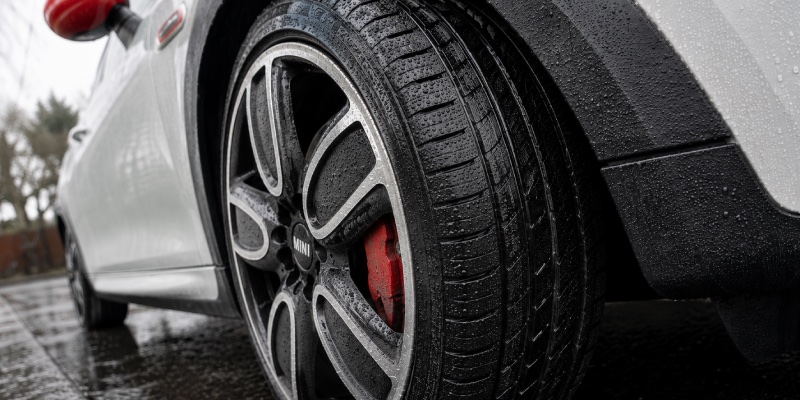
- Keep your tyres in good condition with adequate tread depth, which should be significantly above the minimum 1.6mm.
- Check tyre pressure regularly (if your tyres are overinflated, it will be harder to control the car in the rain).
- Avoid driving through standing water where you can.
- Increase your following distance from any vehicles ahead of you.
- Drive smoothly without any sudden changes.
Try to avoid driving in dips in the road, uneven road surfaces and places where you can see large volumes of settled water.
Other tips on how to control aquaplaning
You can also reduce your chances of aquaplaning by keeping on top of the following:
- Try to avoid driving through large pools of water: These can be in dips in the road, uneven road surfaces, flooded places or spots with drainage problems.
- Follow vehicle tracks in the road: Vehicles in front of you will spray the water out of the way, so as long as you keep your distance from the car in front, this will help.
- Read the road ahead as far as possible: Try to spot deeper water on the road as early as possible. If the car in front is producing a massive spray on the road, this is a sign that you are driving on a sheet of water.
- Make sure your speed is safe for the amount of water on the road: Water just 2.5mm deep can cause aquaplaning. If in any doubt, it’s safer to go a bit slower.
- Plan in advance: If you know before starting a trip that there’s been severe heavy rain and flood warnings, then ask yourself if it’s essential. If it is, avoid areas where large water settlements may be present.
- Know your stopping distances: Remember that your stopping distance can double in the rain and increase up to ten times when driving in the snow.

Final thoughts on aquaplaning
Aquaplaning can happen quickly, but it is not as scary as it first sounds. When you know why it happens and how the car will feel, you are far more likely to respond calmly and keep things under control.
It is one of many situations drivers learn to handle with proper support. During driving lessons in Colchester, Cardiff and across the UK, our learners build the confidence to deal with changing road conditions safely, whatever the weather brings. It is this kind of real-world awareness that helps drivers stay safe long after they have passed their test.

Written by Anthony Johnson
Grade A - 51/51
ORDIT Registered Trainer